Born in Bhojpur
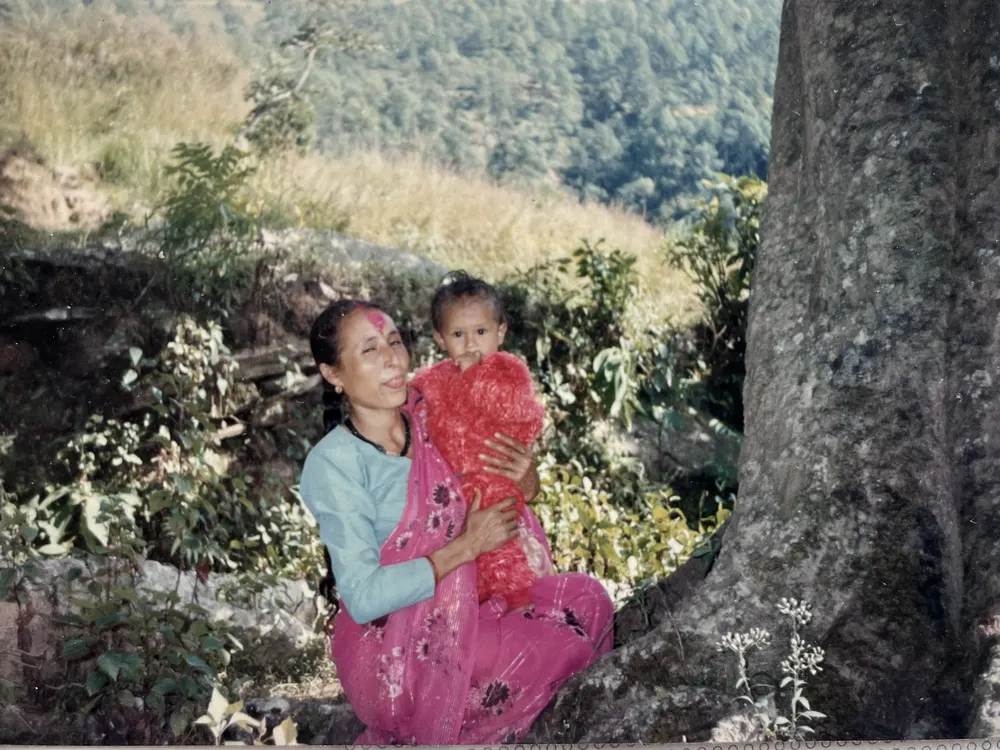
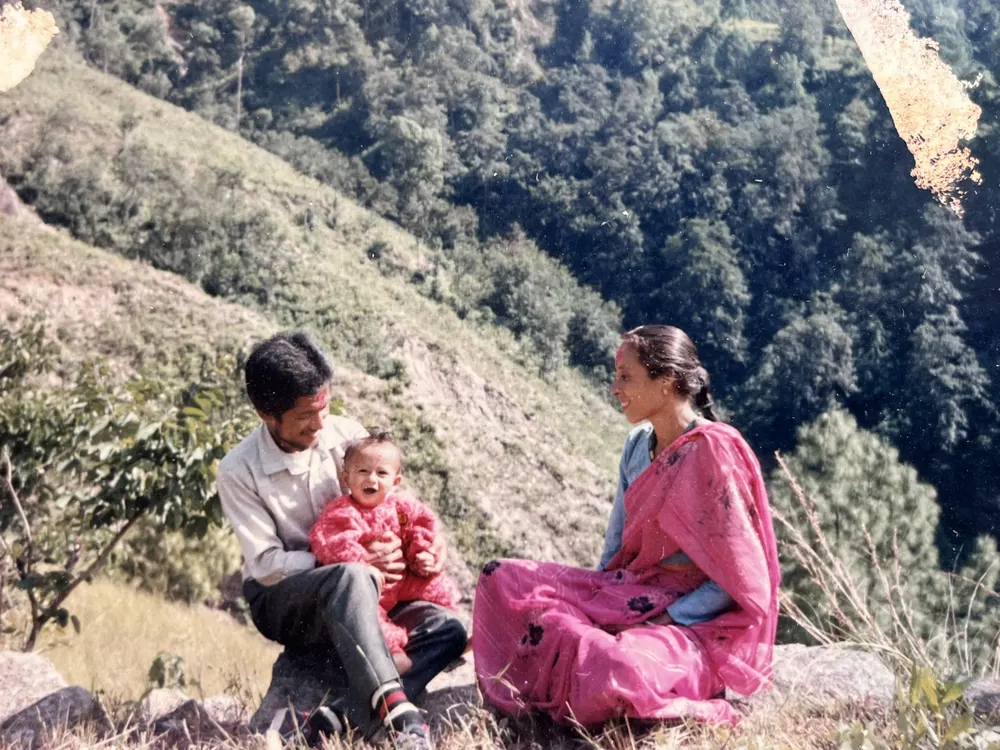
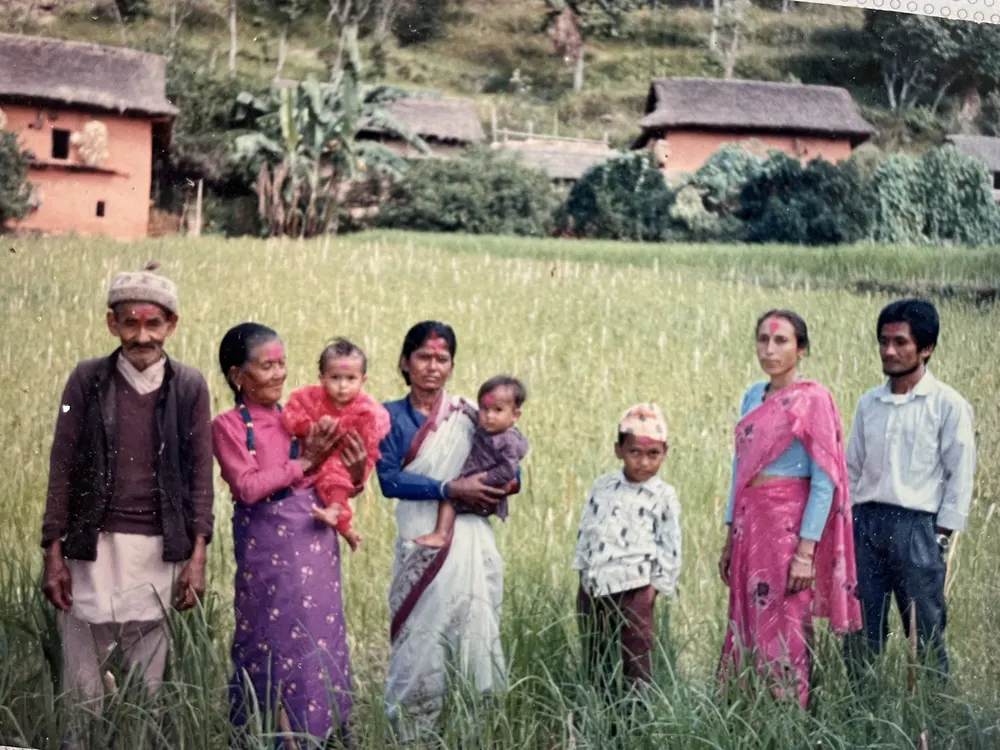
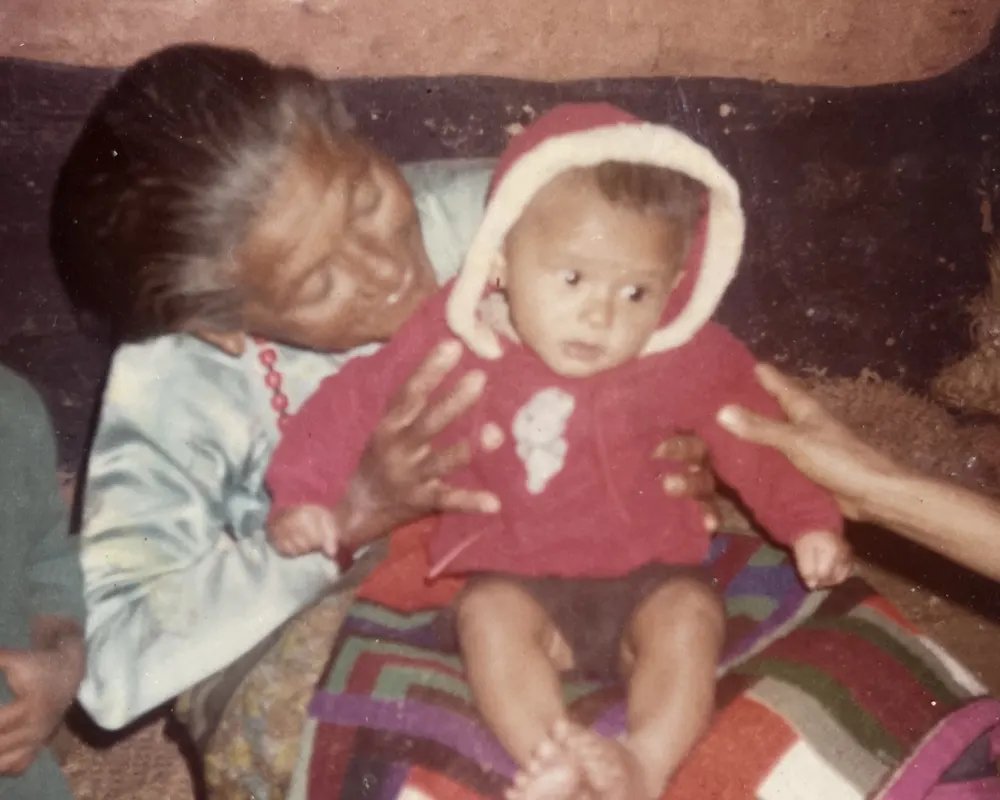
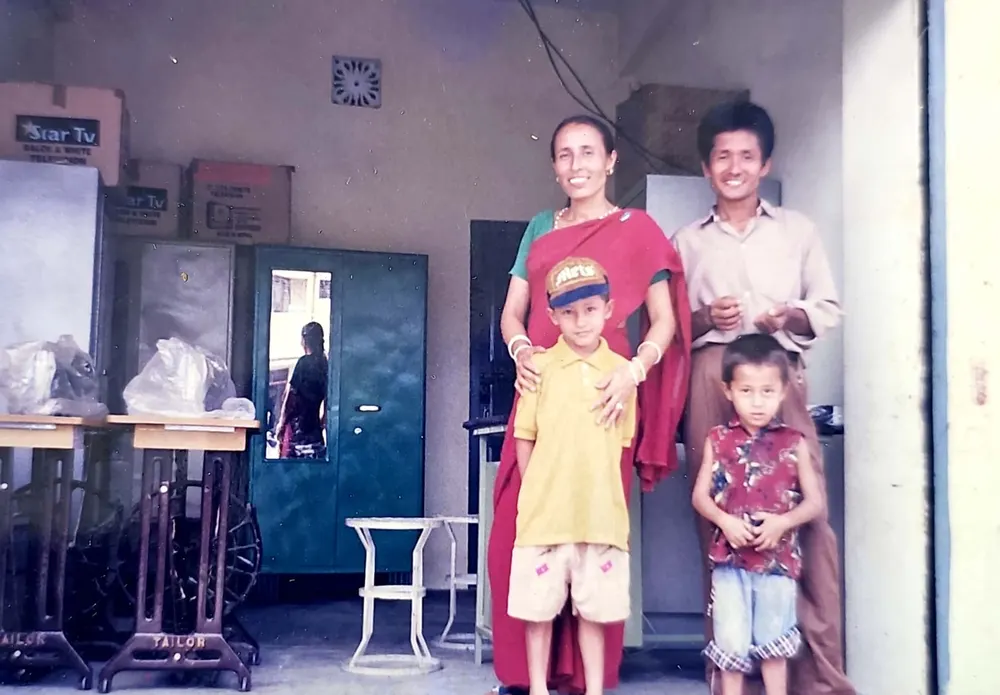
I was born in the hills of Bhojpur, into a Pradhan Newar and Parajuli Brahmin family. My first world was mud walls, animals, and a village that raised everyone together.
We moved to Damak
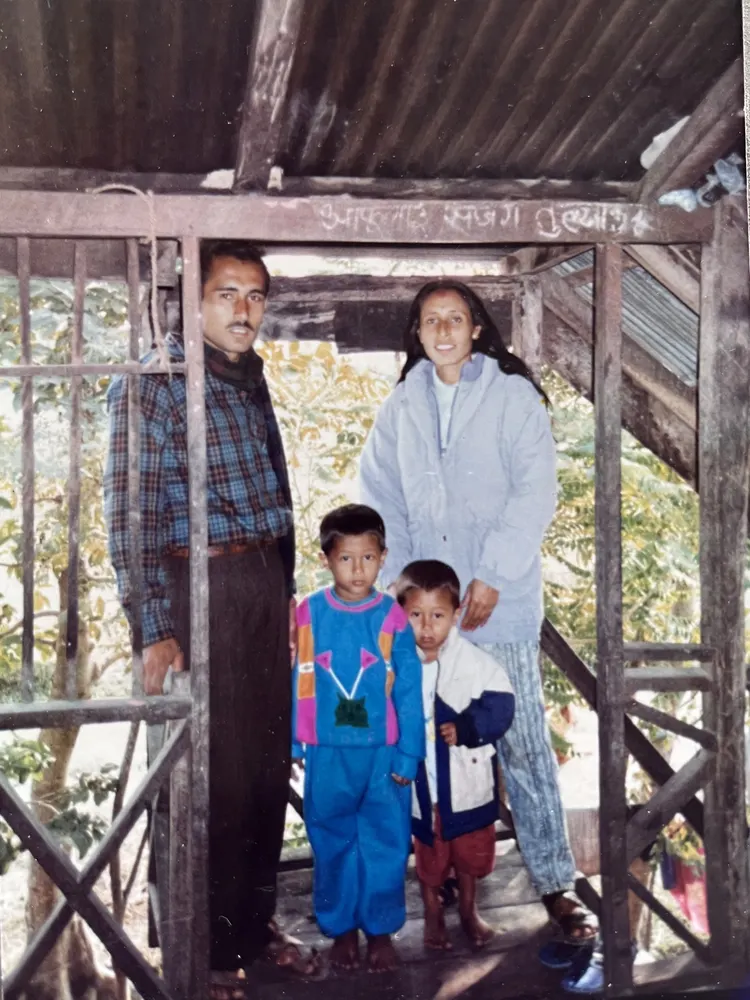
In time we came down to Damak, a bigger town with roads, electricity, and a faster kind of life. A new world for a hill child.
Twelve years in hostel
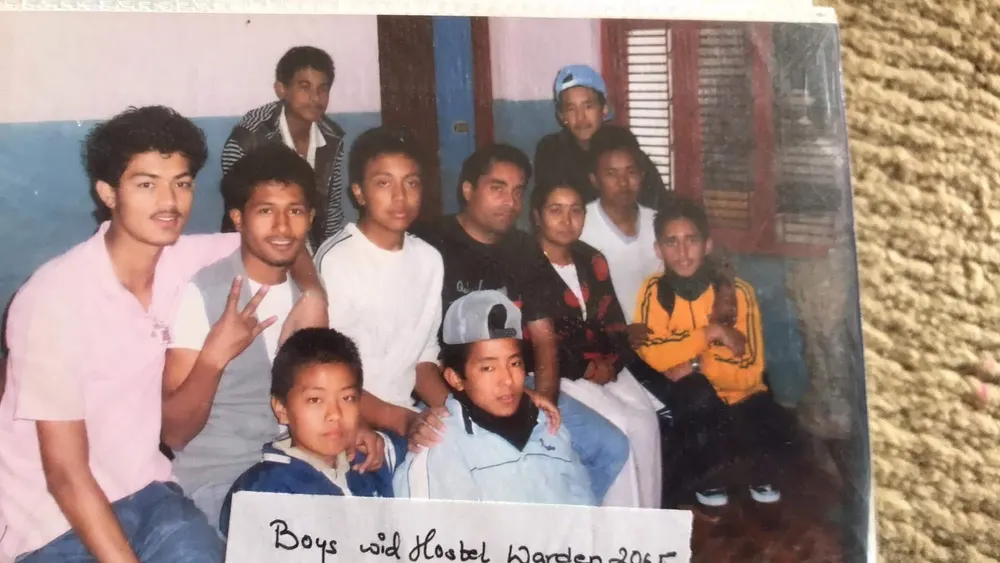
From a young age I lived in a hostel. Twelve years in a small, isolated world that taught me to watch, to wait, and to stand on my own.
Training for the British Army
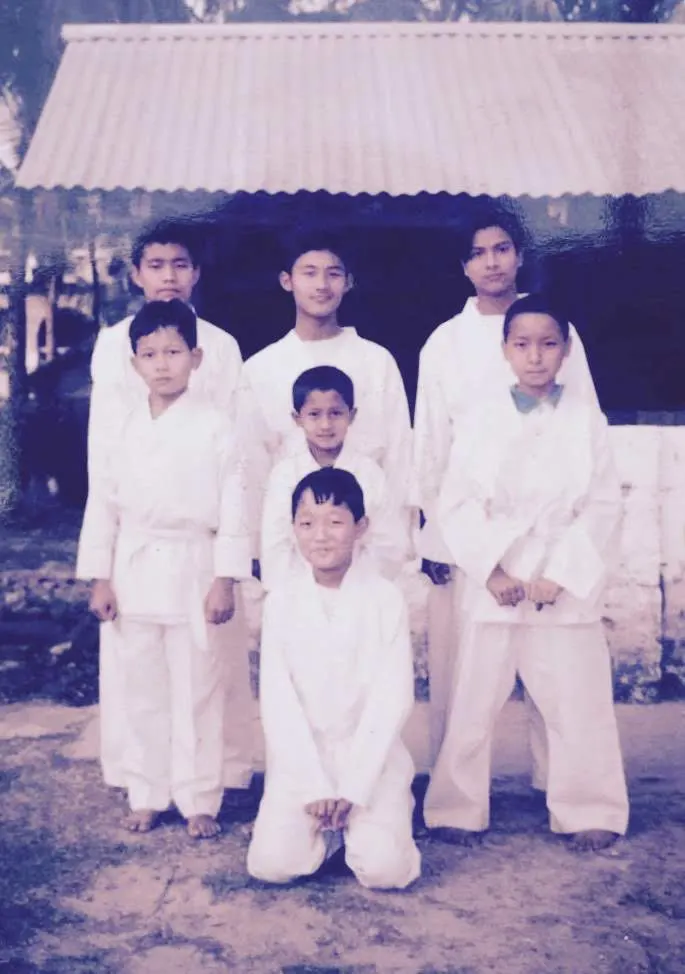
For three years I trained hard to join the British Gurkhas. The discipline stayed with me, even after the path changed.
Addiction, and a friend lost
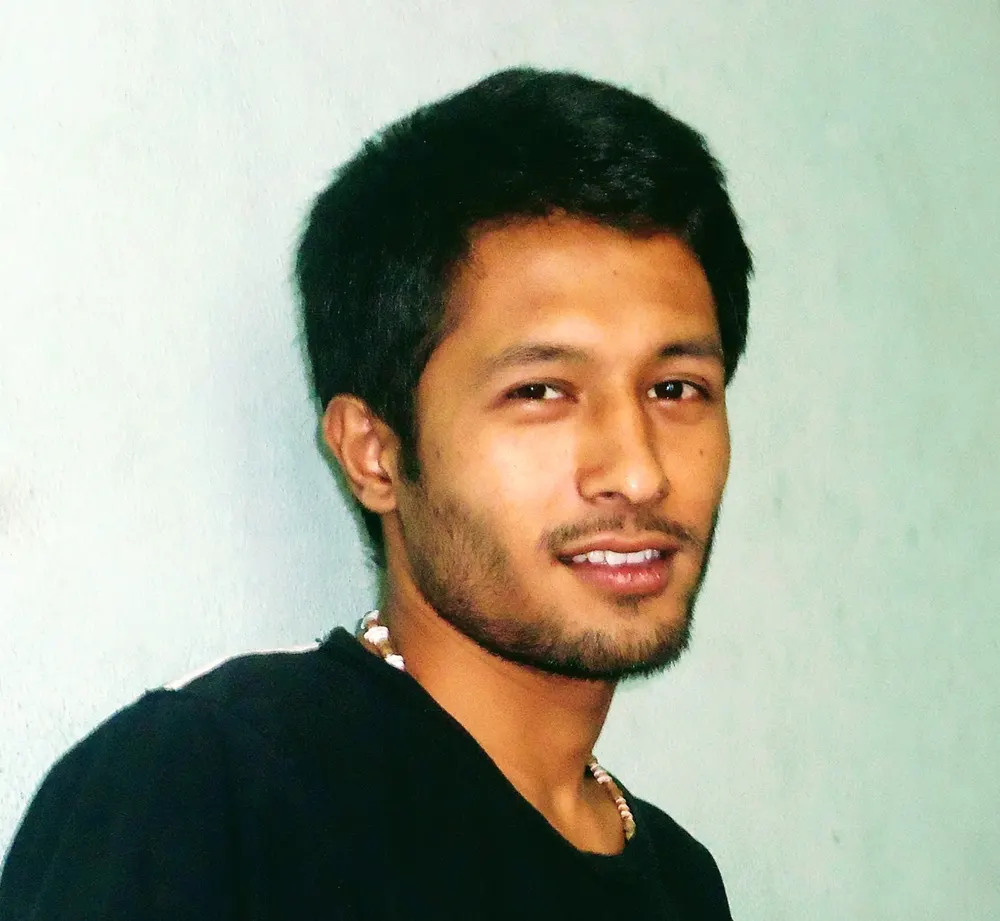
Then came the dark years. Addiction took hold, and it took a friend from me. I do not hide this part. It is where the search truly began.
Ten days of silence
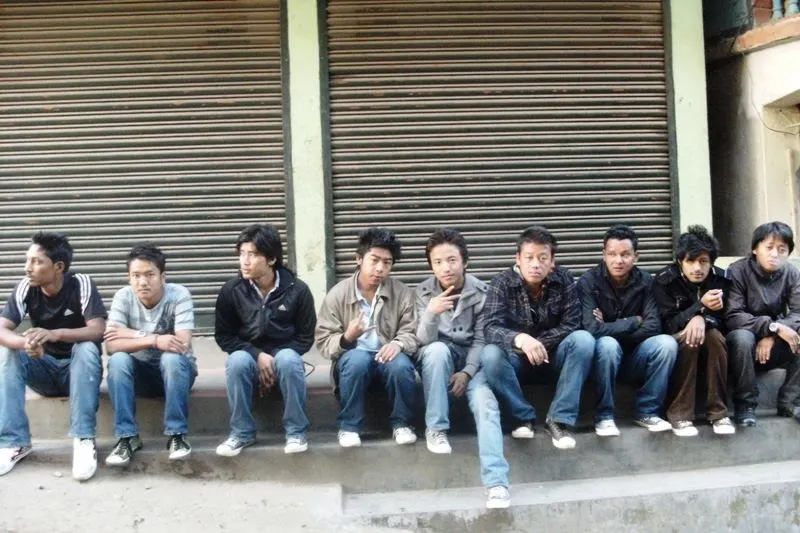
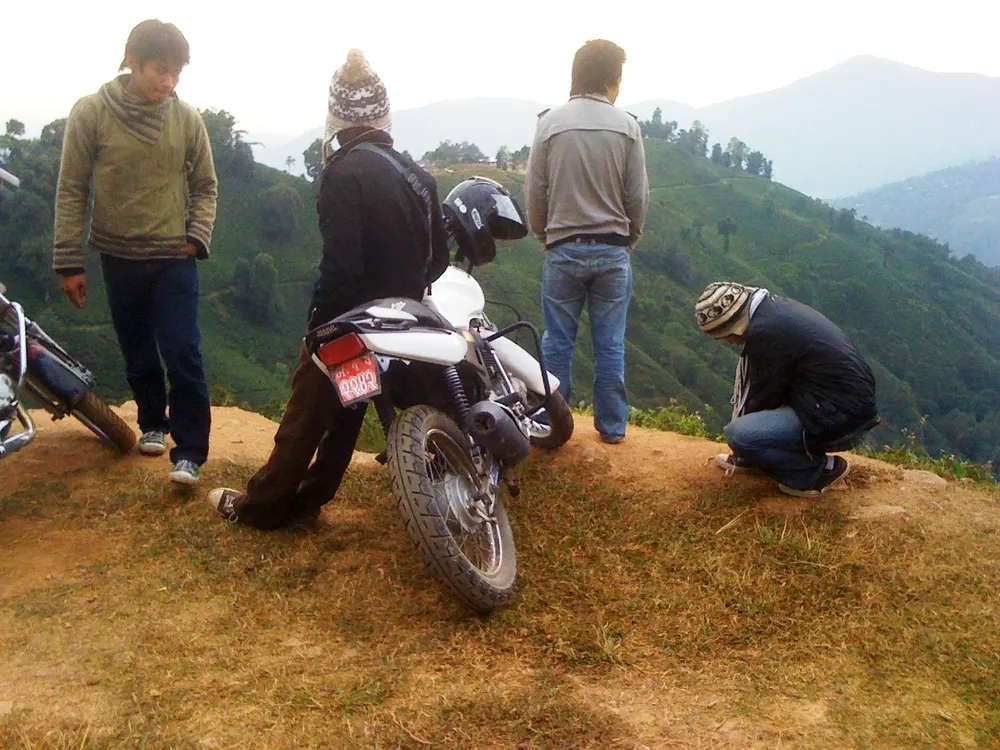
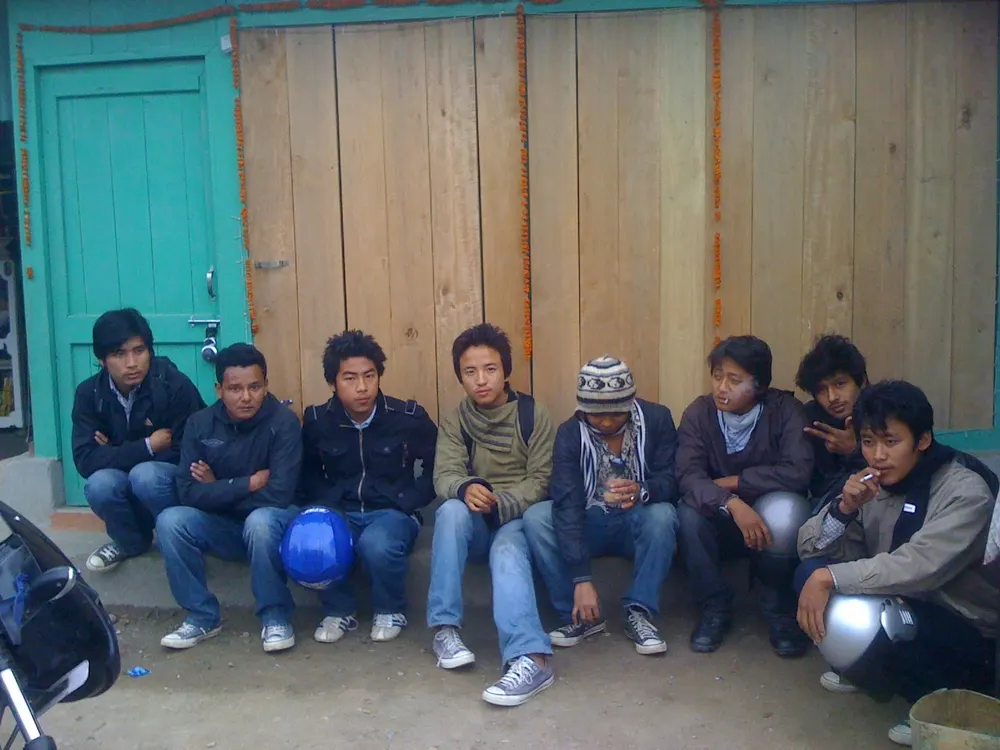
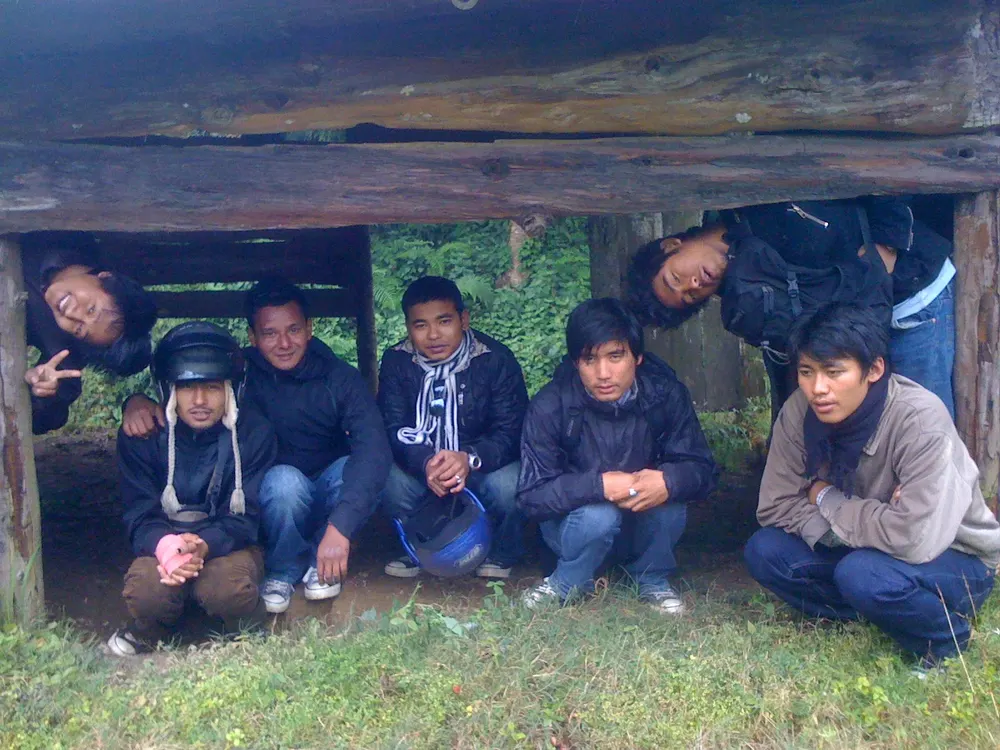
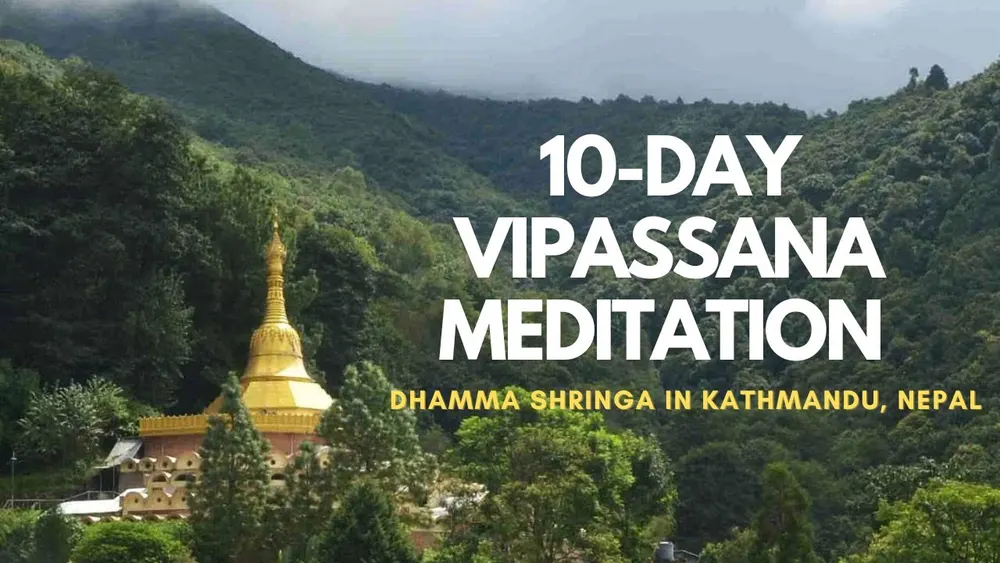
I decided to change, and I started to move. Vipassana gave me ten days of silence, and the first clear look inward.
Planning the Joon Project
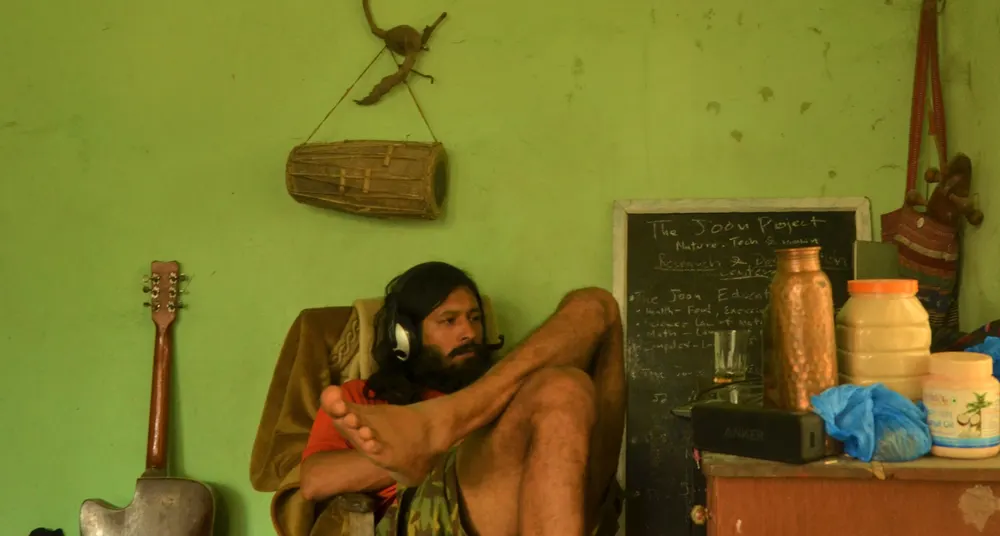
An idea began to take shape, a project to research and redesign how we live with each other, with nature, and with technology.
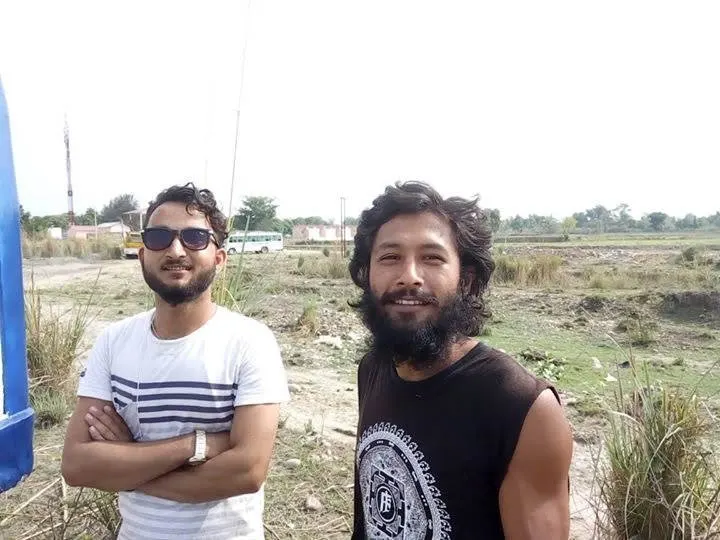
Hitchhiking to learn
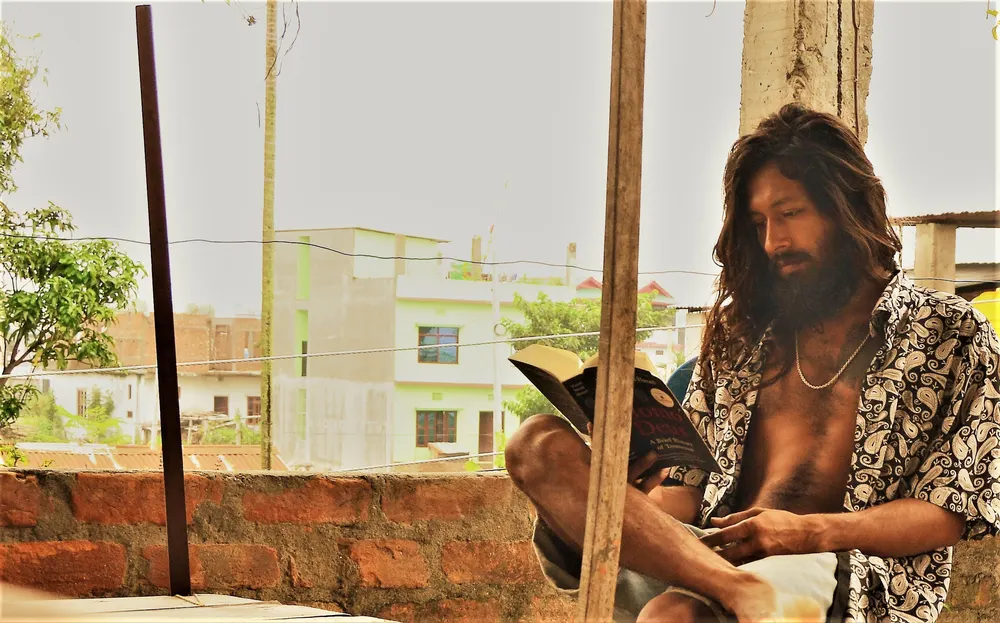
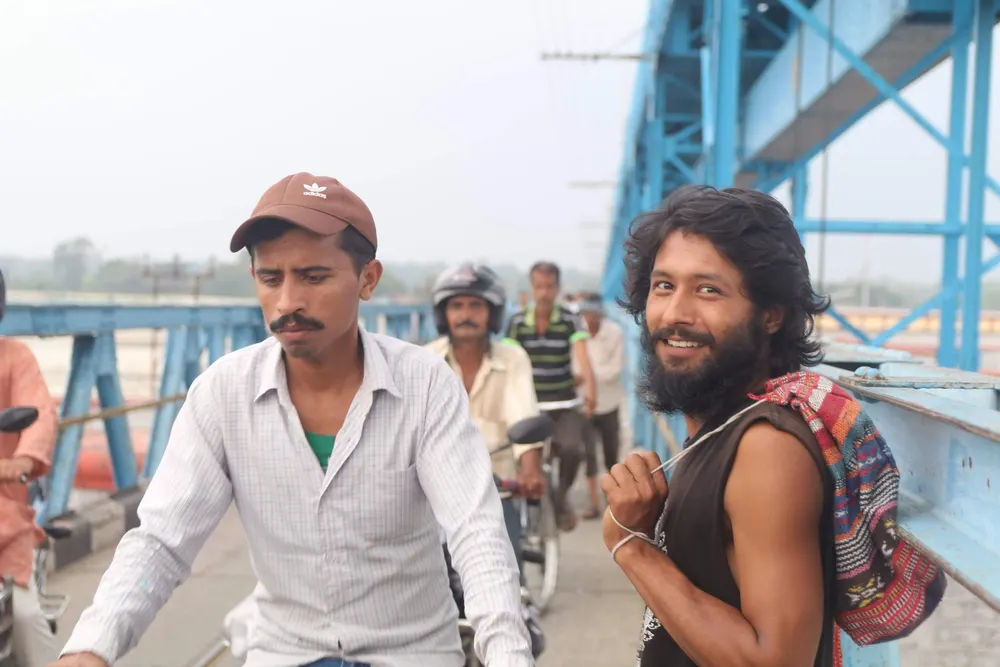
I hitchhiked to learn yoga, meditation, and Ayurveda at the source, living simply and carrying little.
Presenting the Joon Project
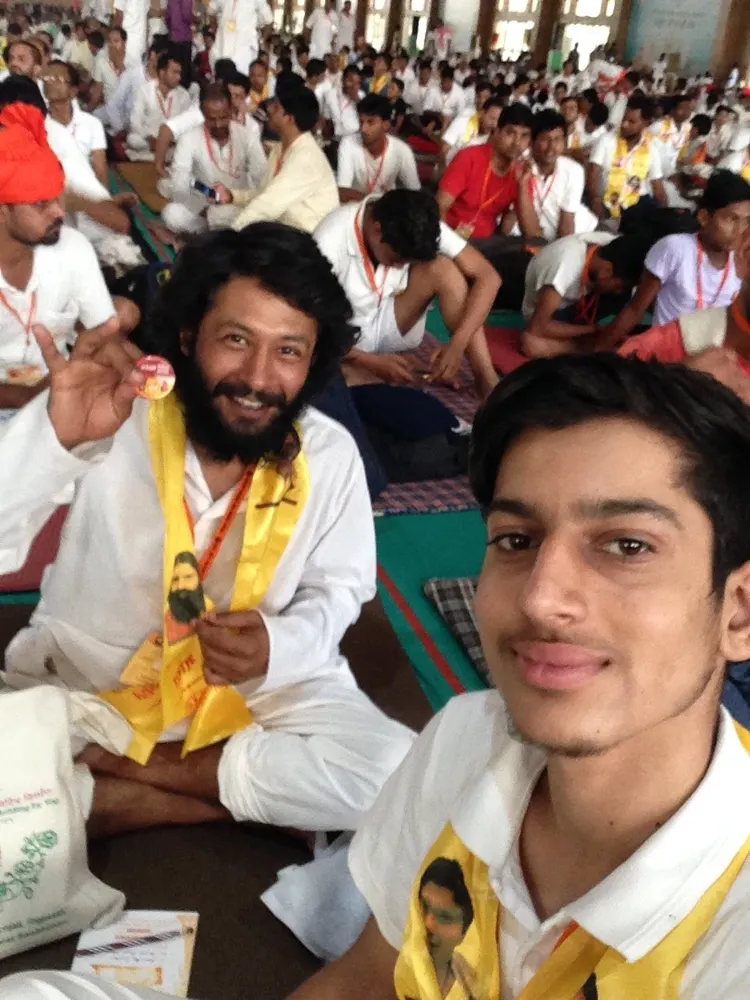
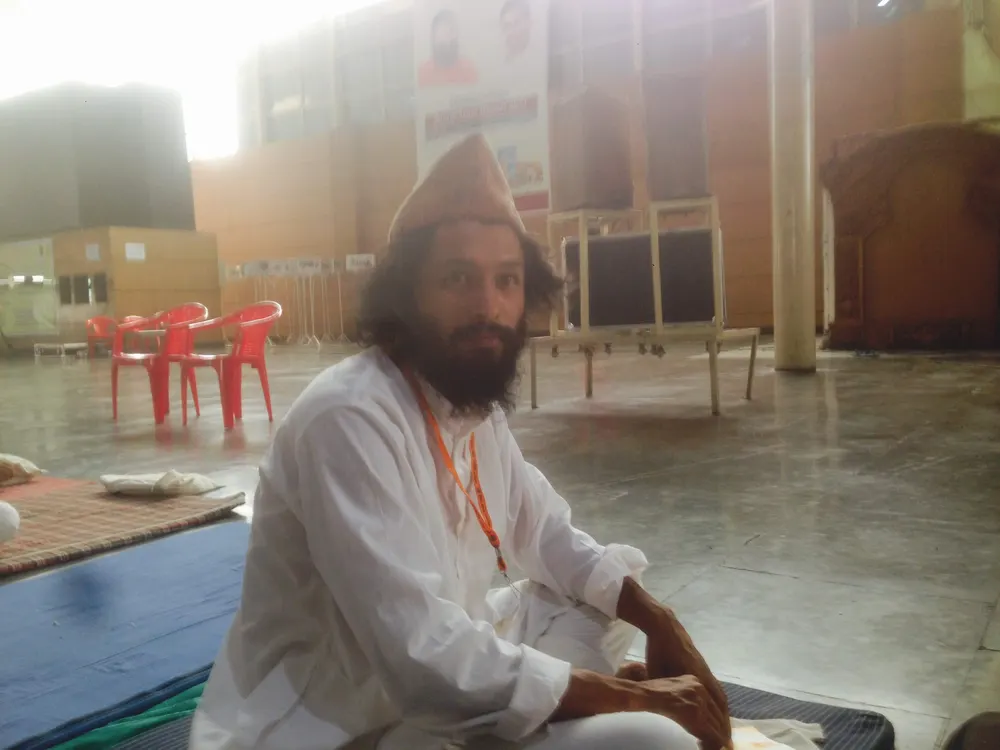
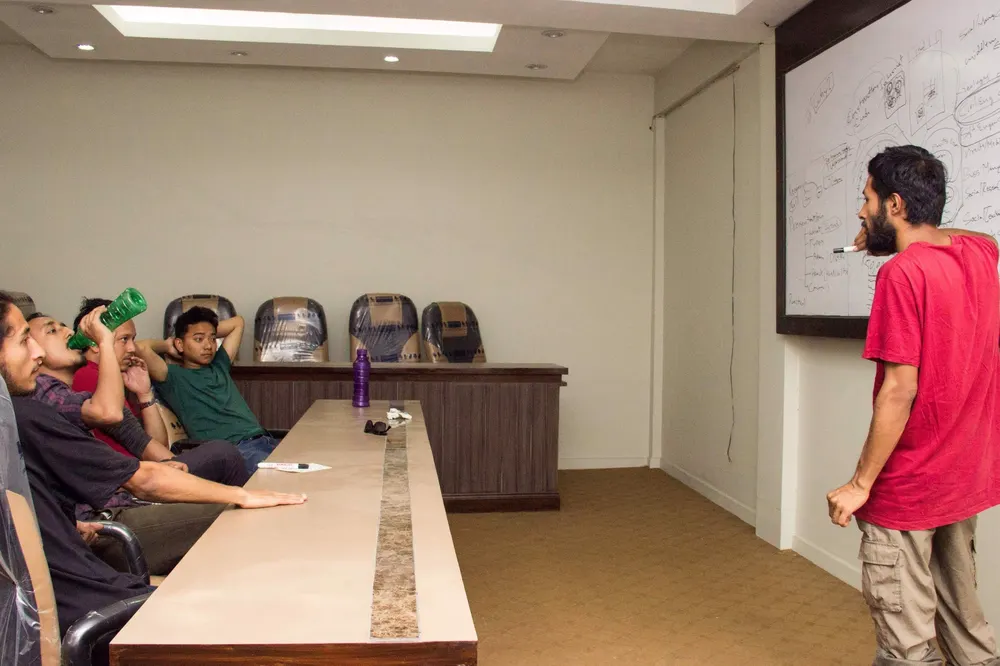
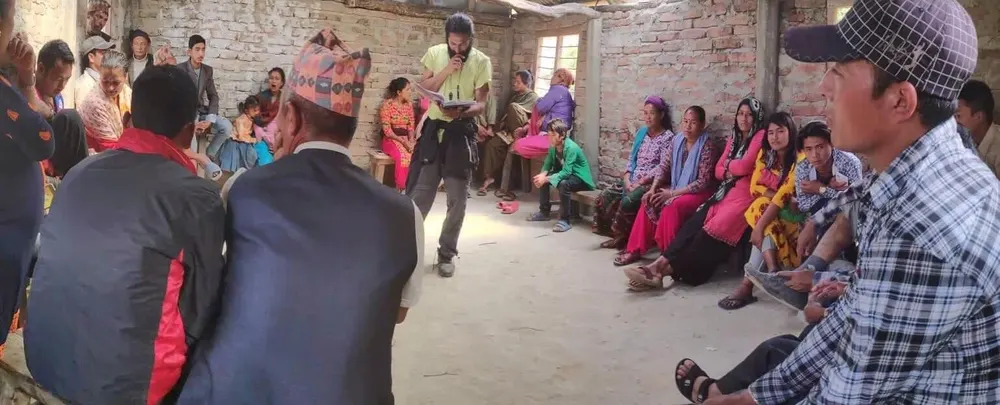
I came back to Nepal and shared the vision of the Joon Project aloud for the first time, to a small room of friends.
Playing with the students
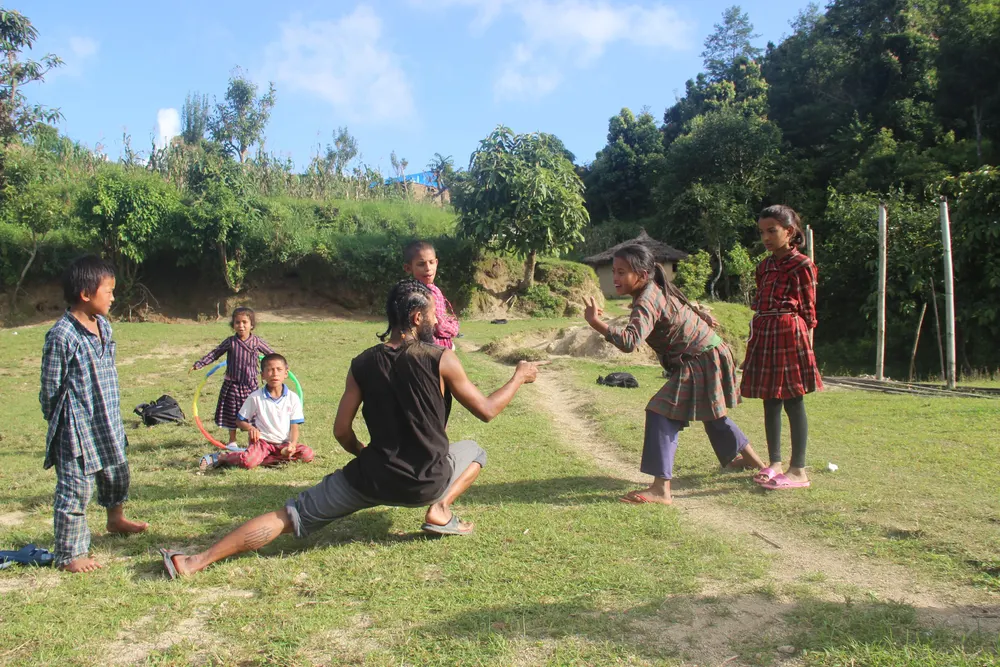
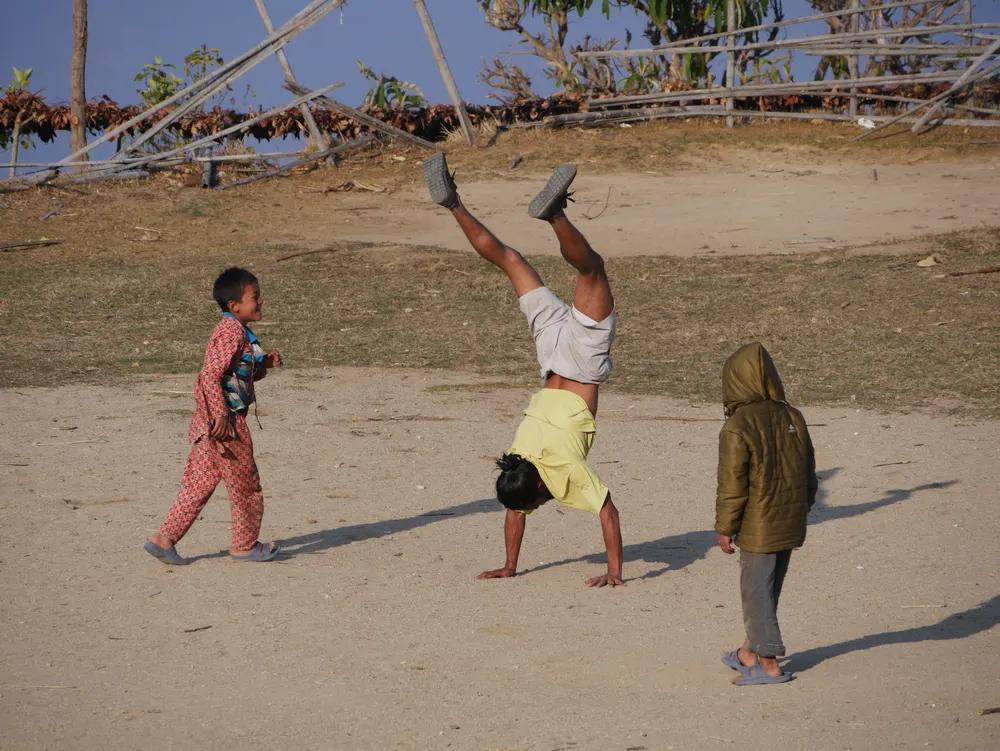
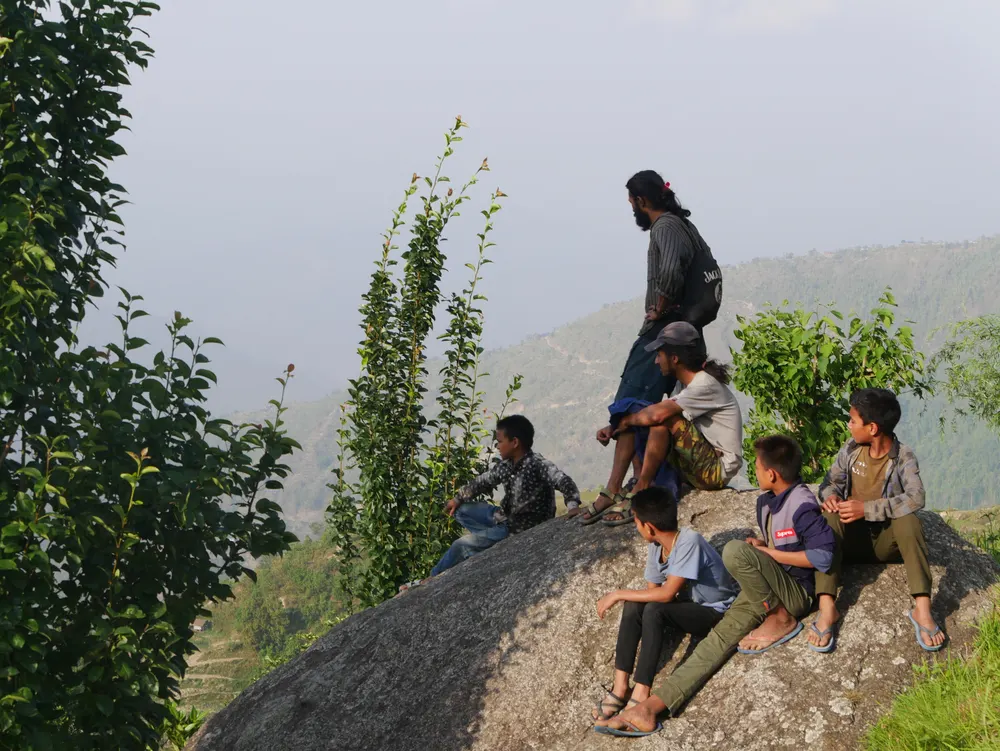
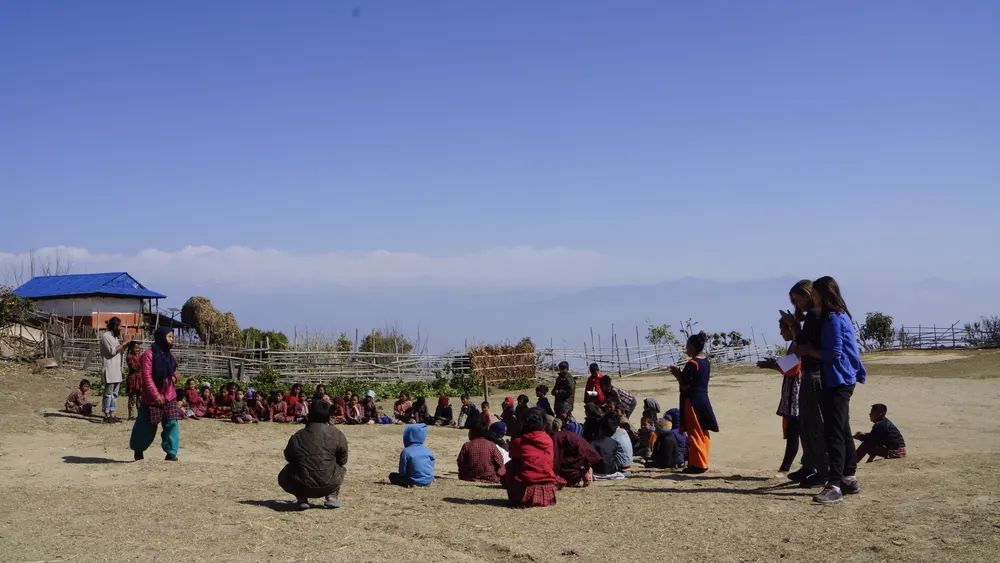
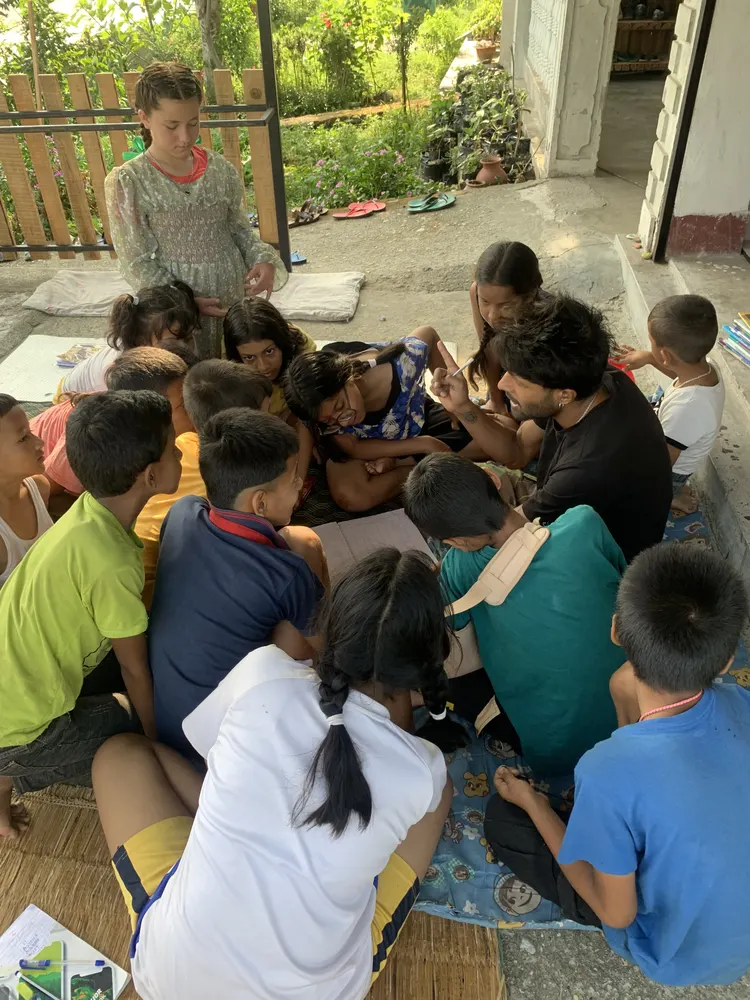
I joined Maya Universe Academy, a free school, and found that teaching children is mostly about playing, listening, and being present.
Permaculture and eco building
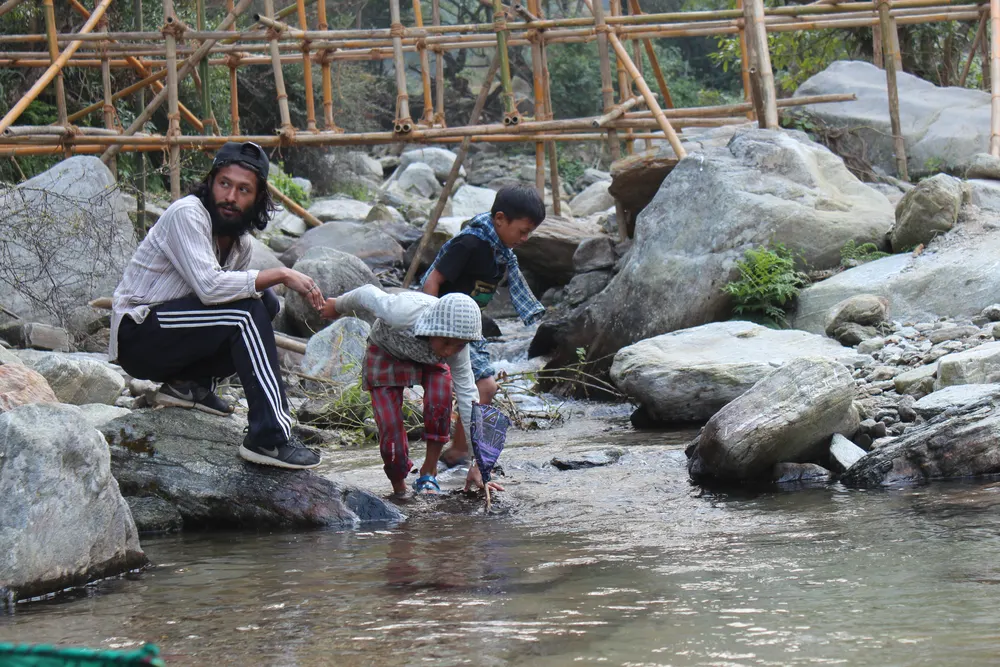
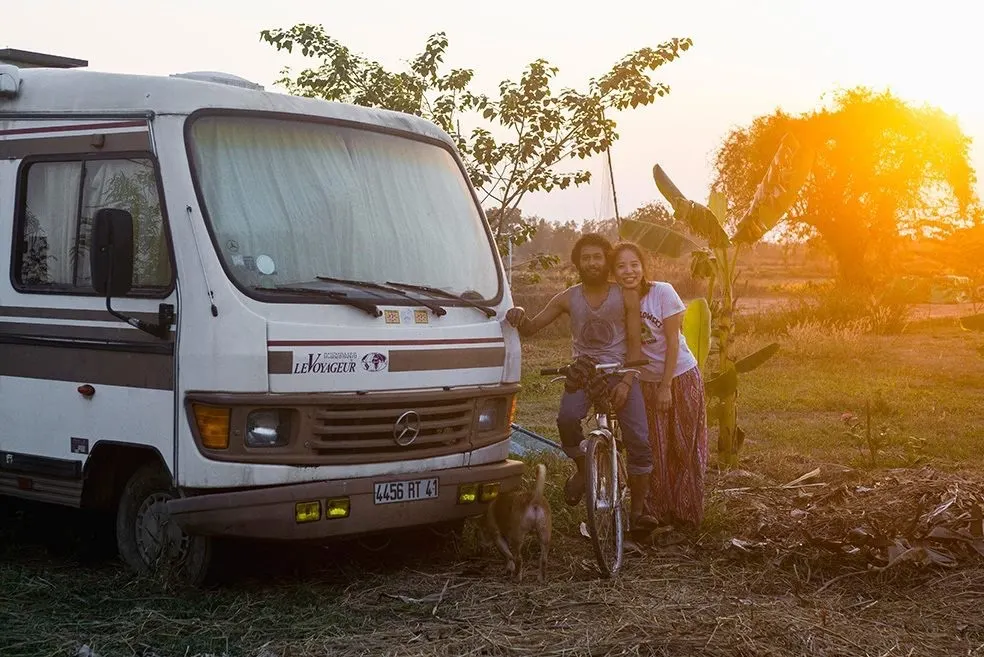
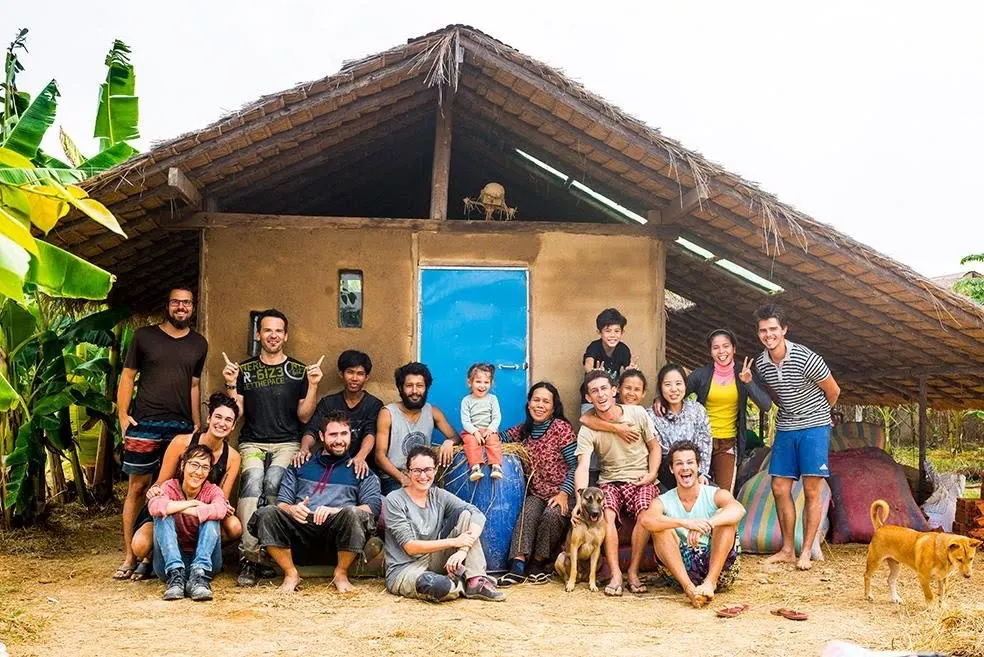
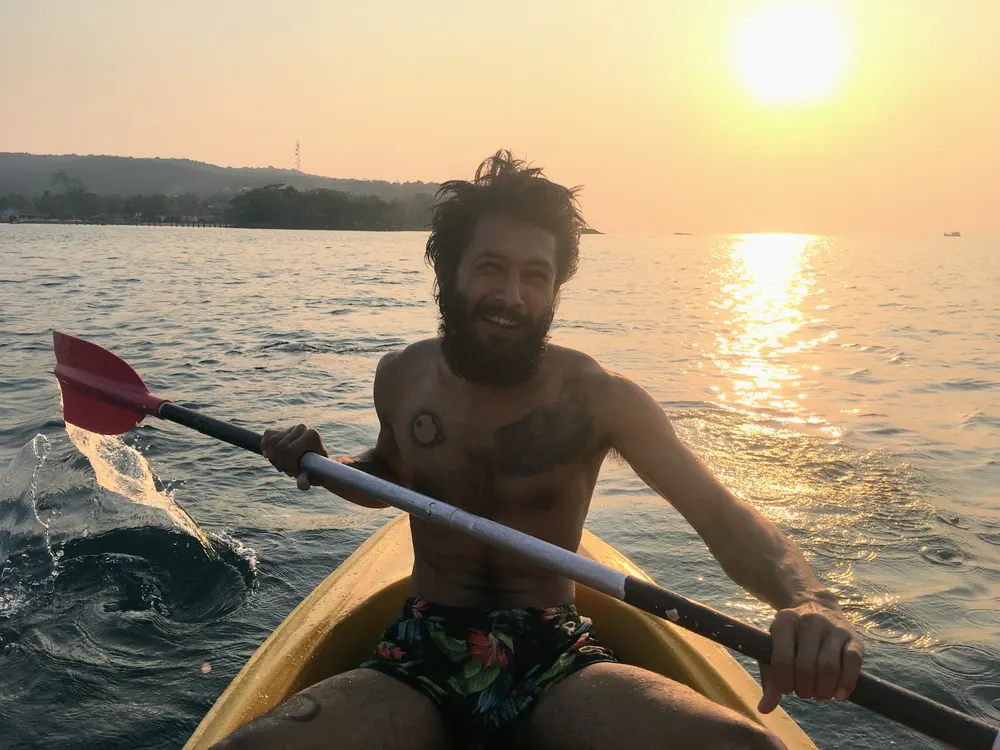
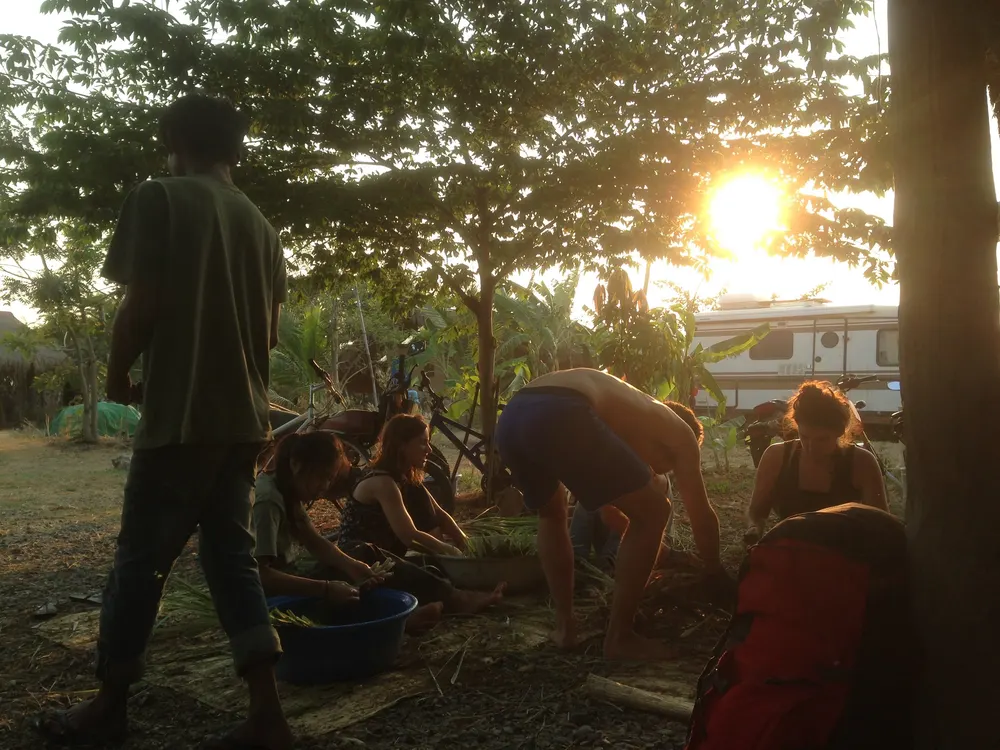
I travelled to Cambodia to learn from a permaculture farm and eco architecture projects, building with earth and growing food by hand.
Becoming Principal
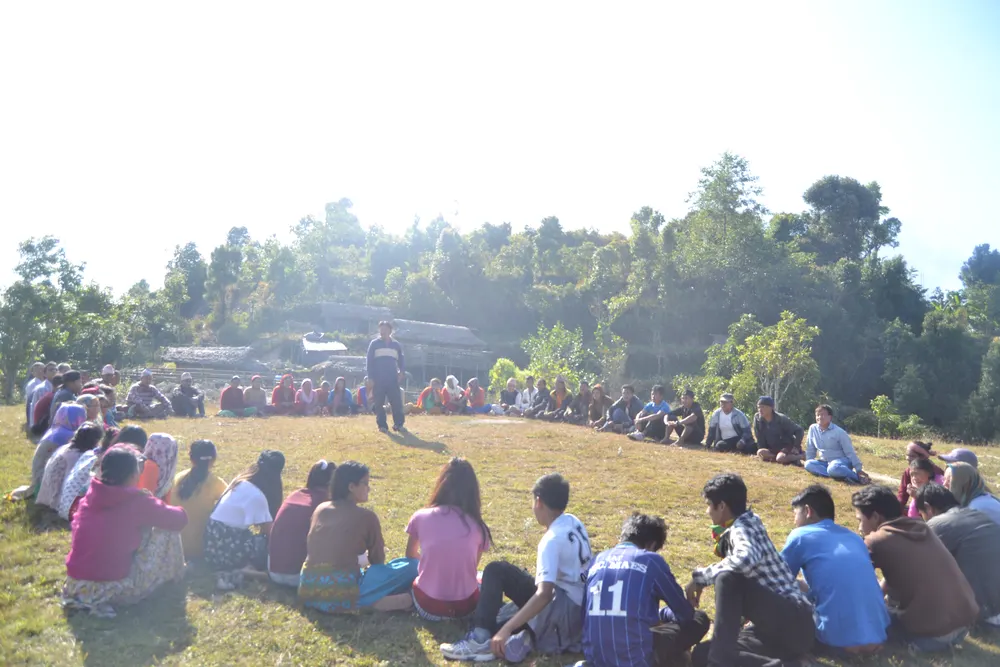
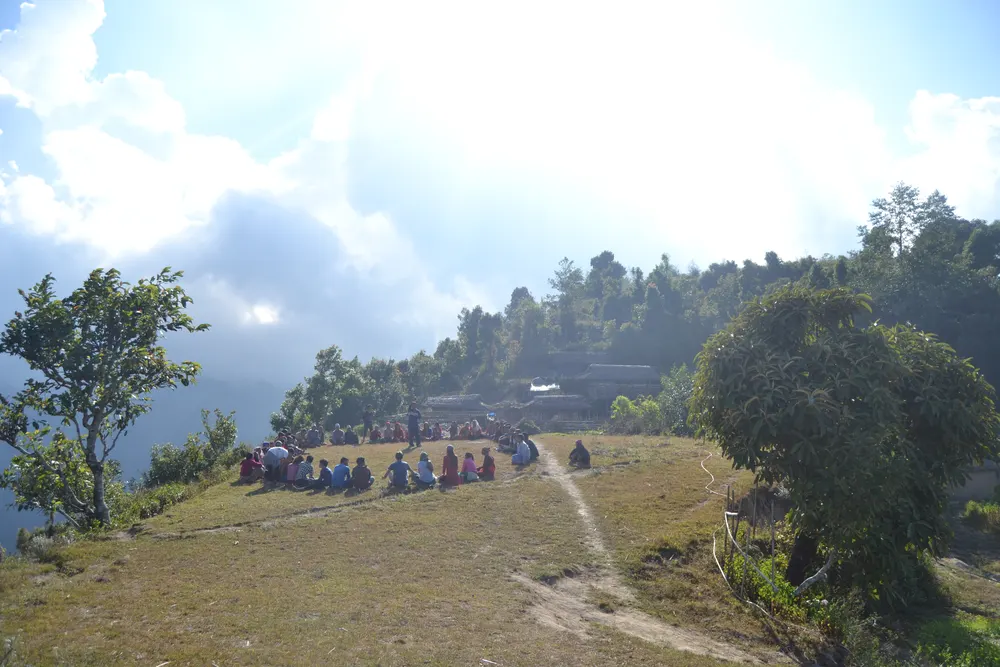
At the Sagarmatha branch I became Principal, holding the school, the parents, and the children together as one community.
To the foot of Makalu
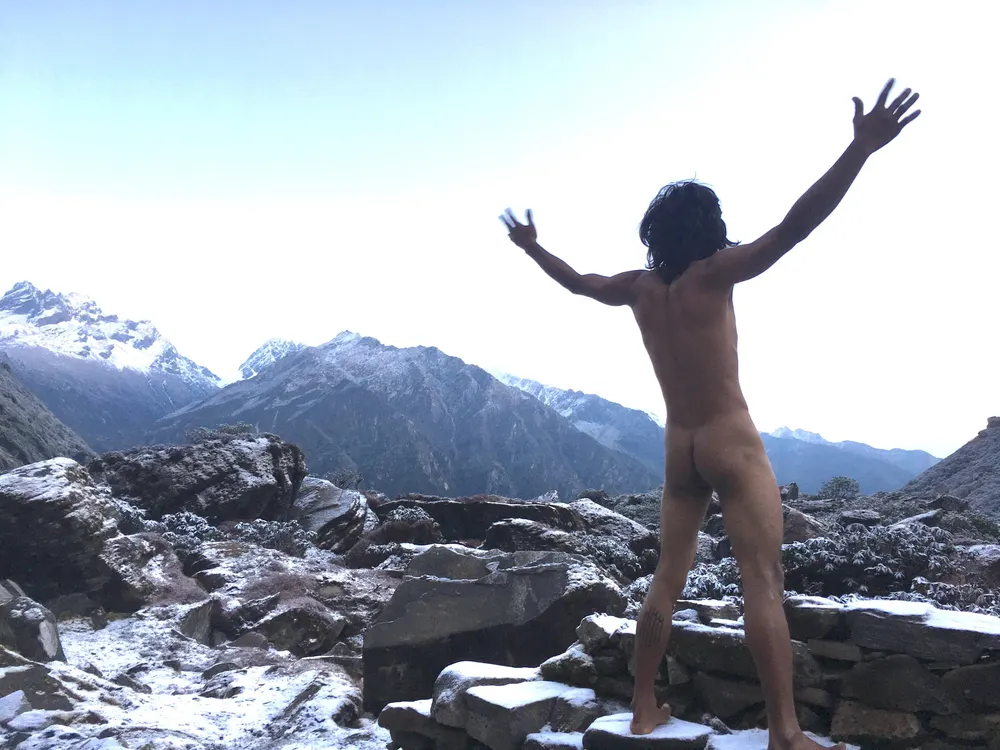
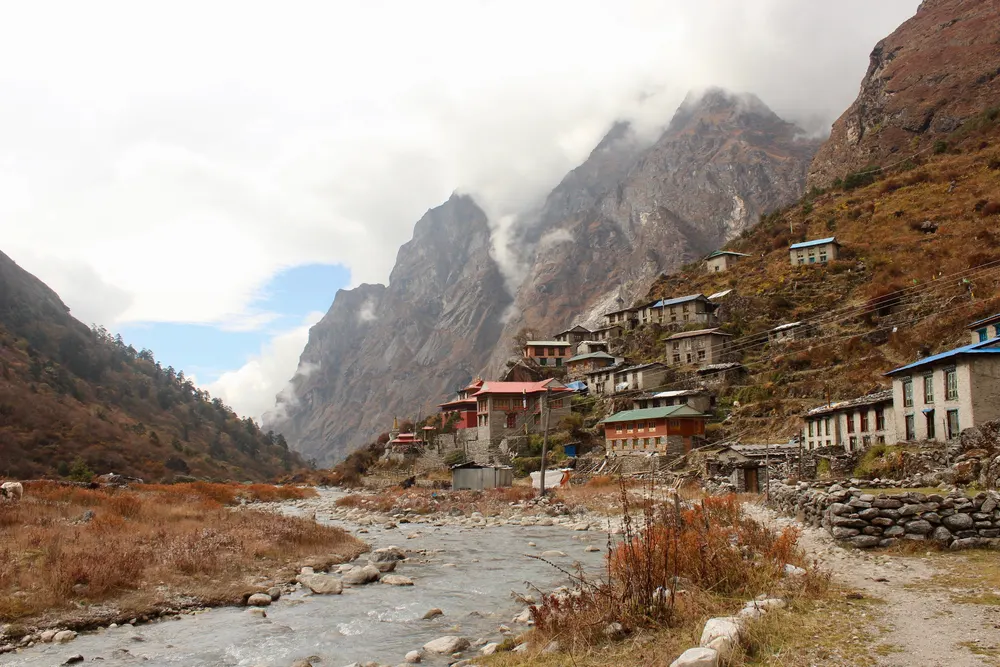
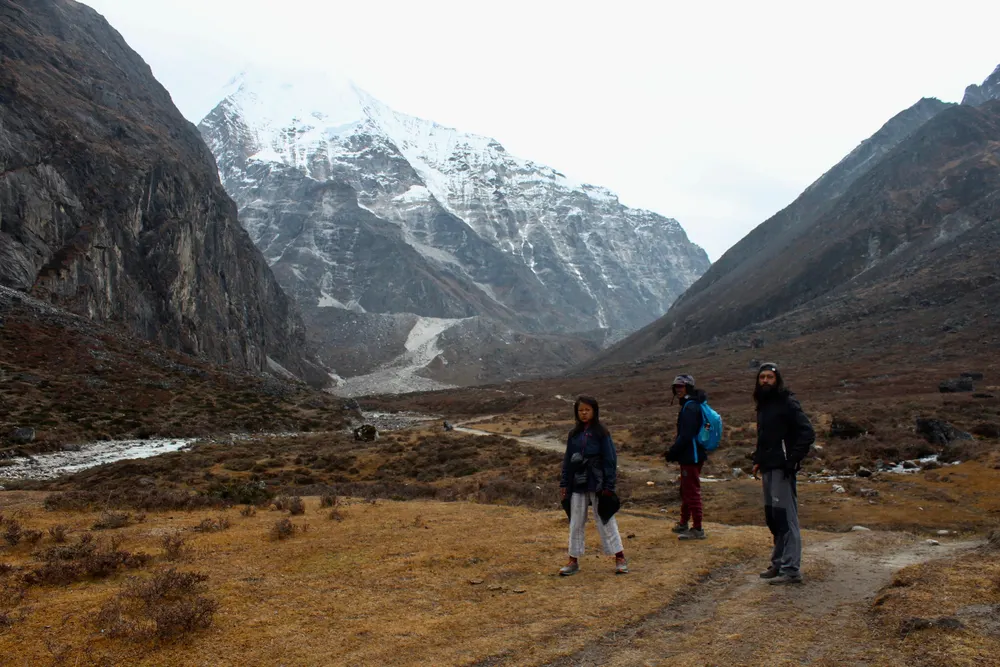
I walked to Makalu, deep into the high country, where the mountains put a person in their right place.
The Mardi Himal trek
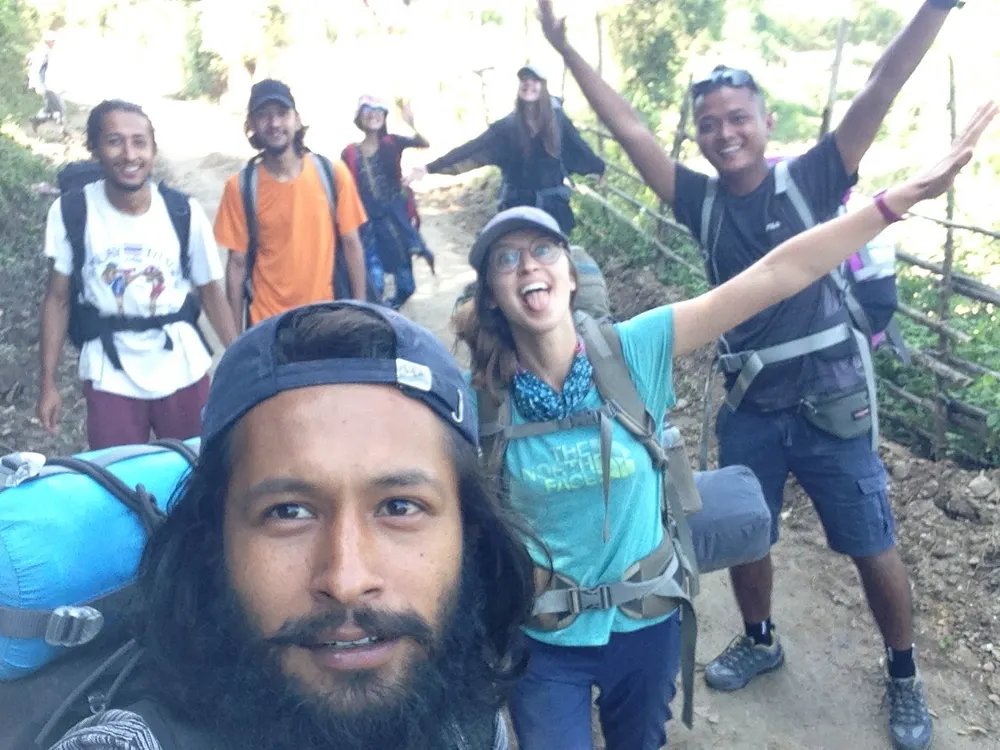
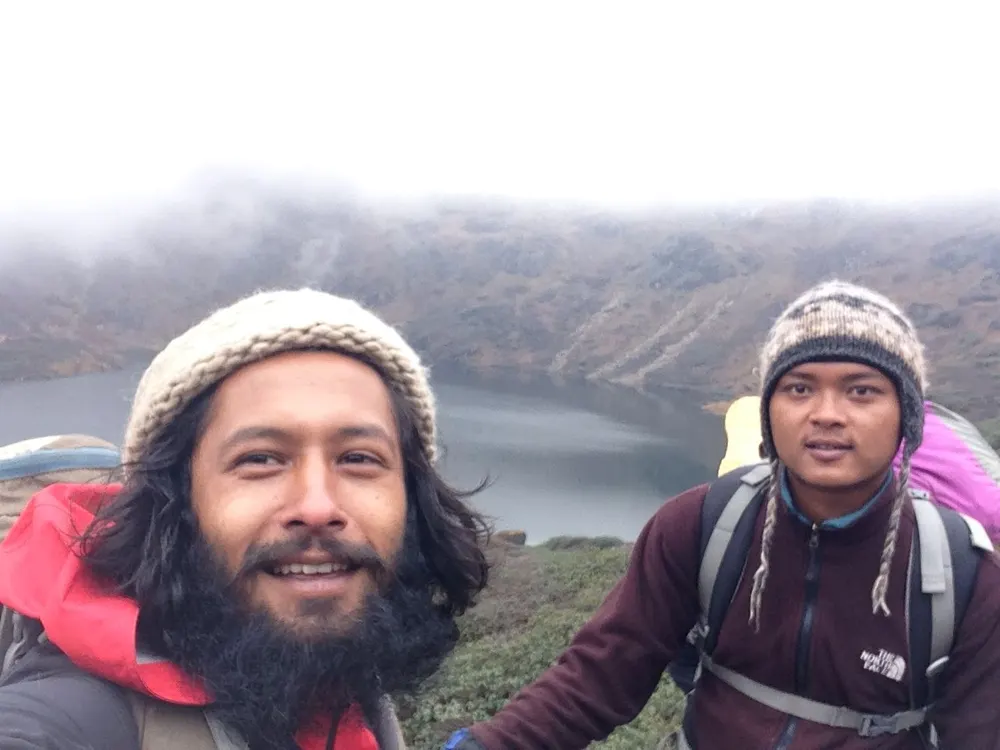
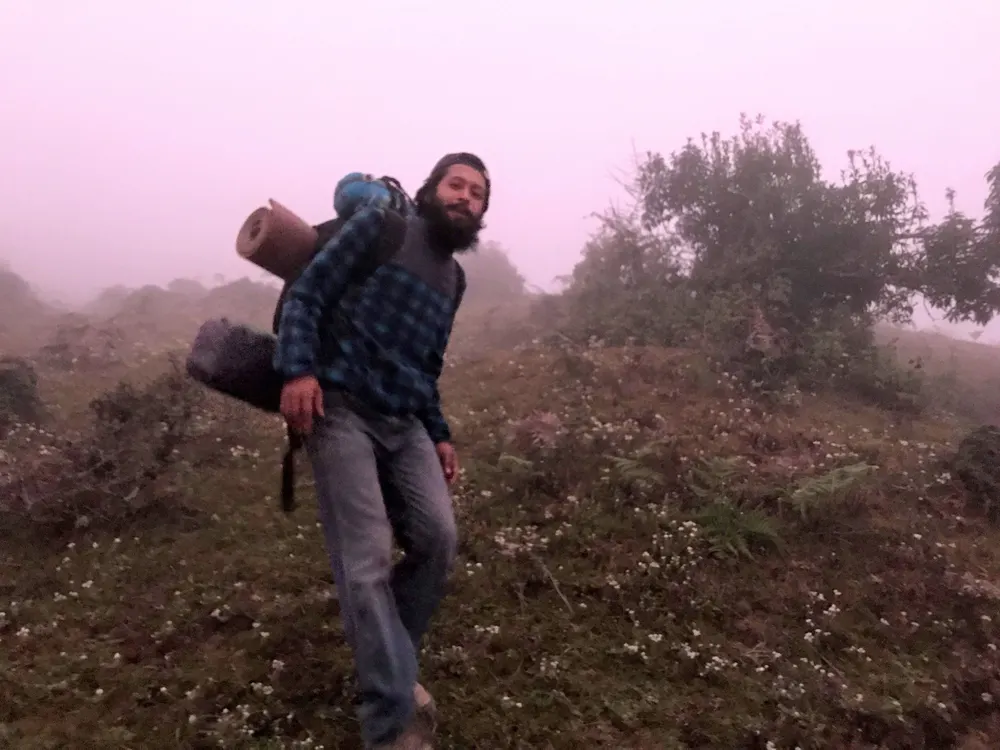
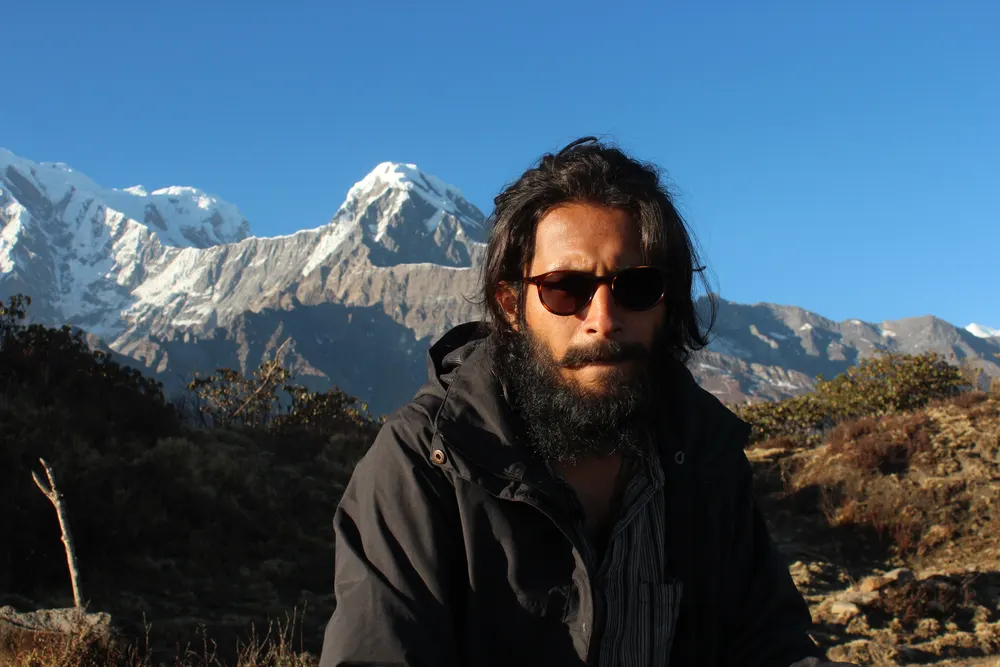
Mardi Himal, where I sat with a book below the fishtail peak and let the silence do its work.
The glacial lake
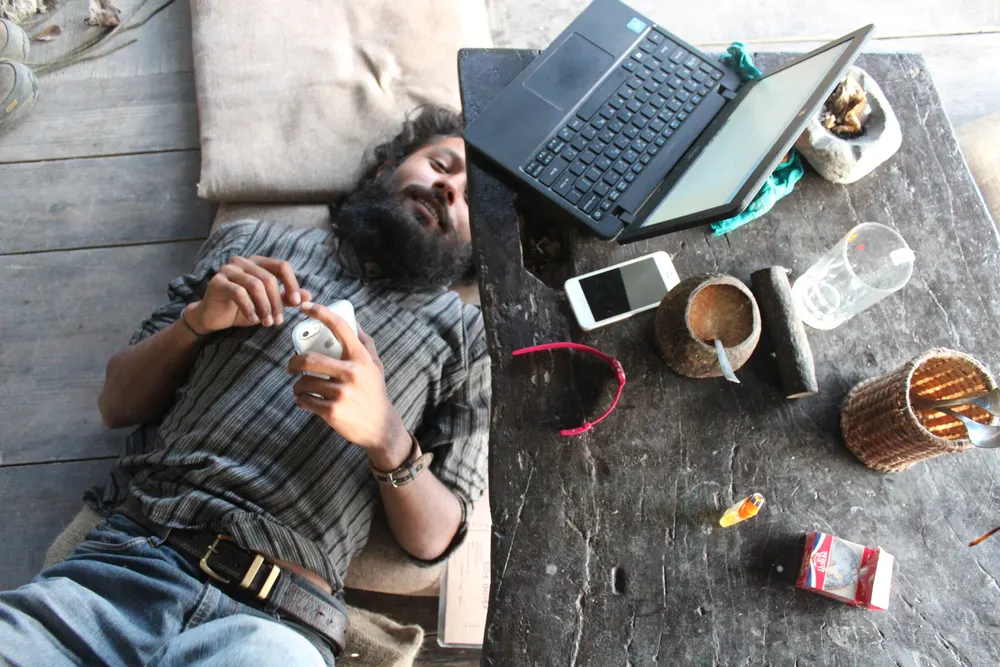
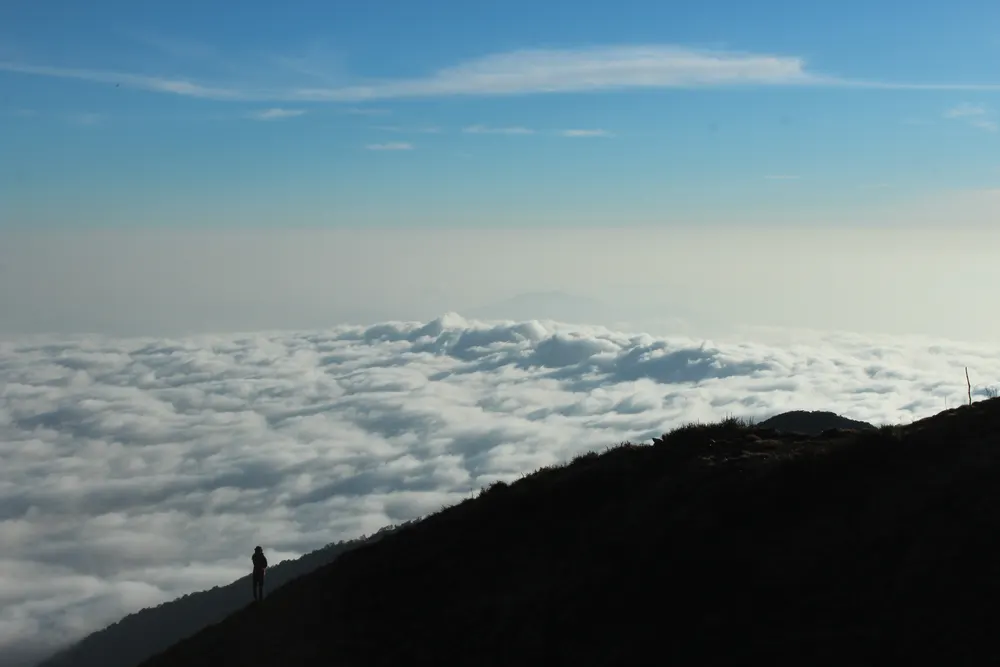
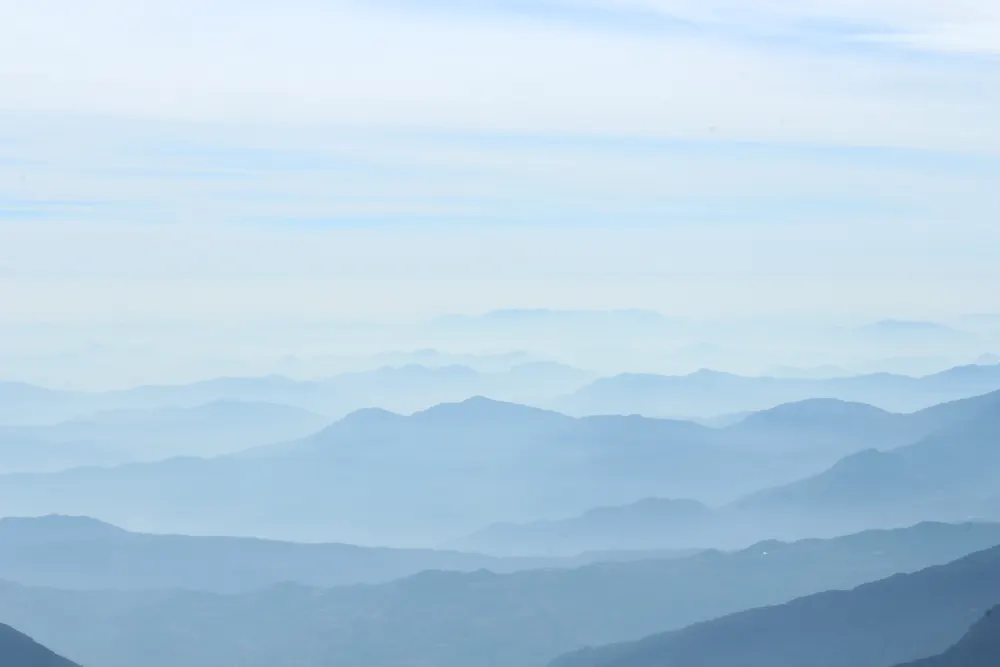
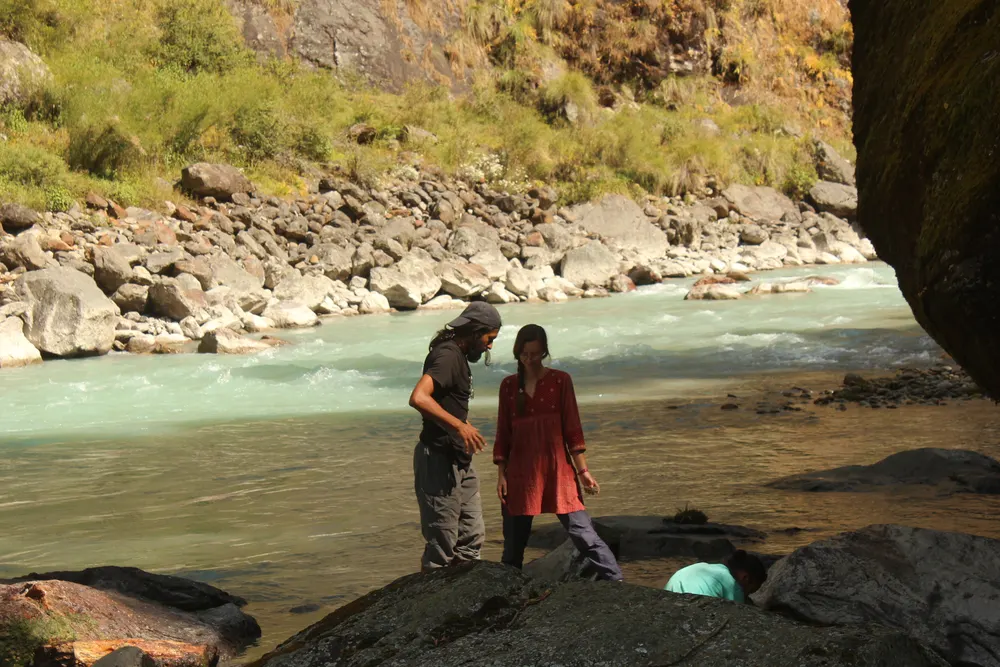
To Tsho Rolpa, one of the great glacial lakes, walking beside ice and the slow patience of the Himalaya.
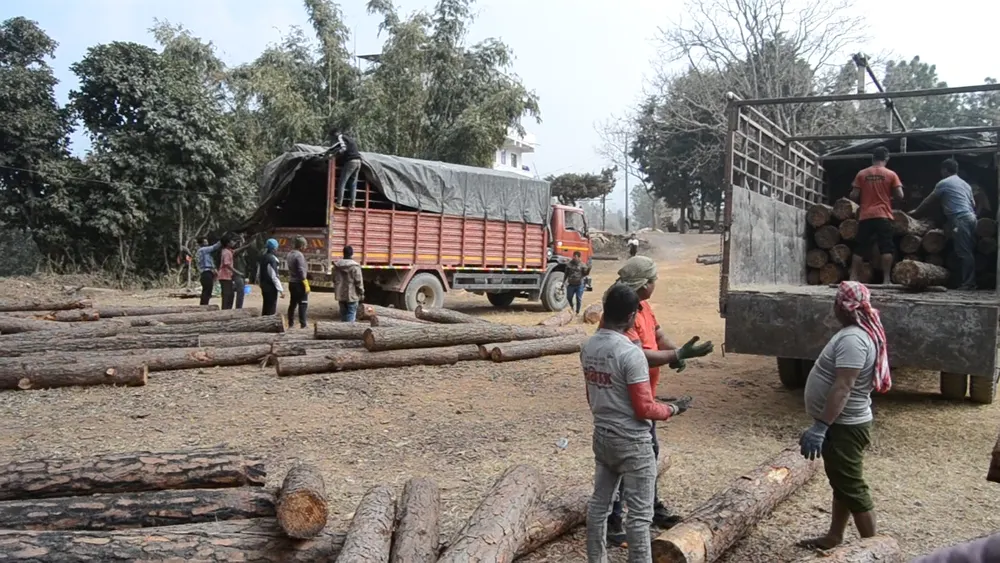
Saw mill and lumber
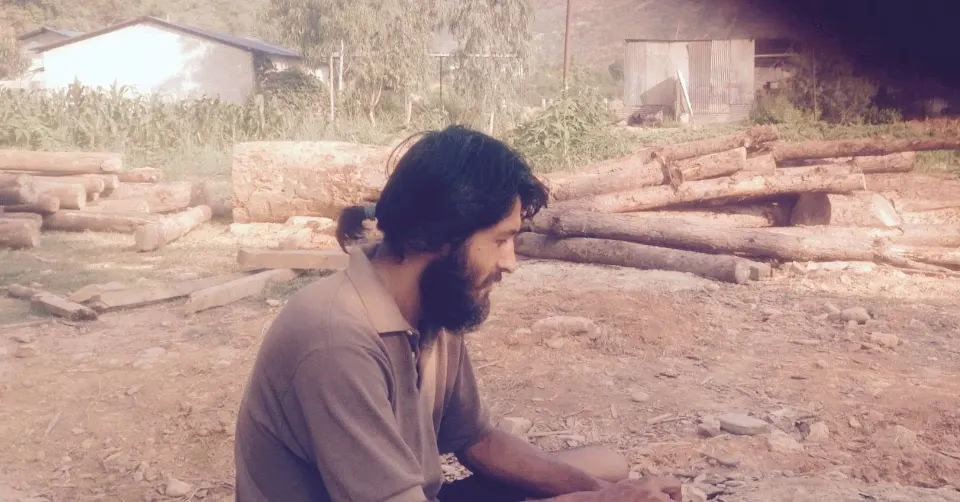
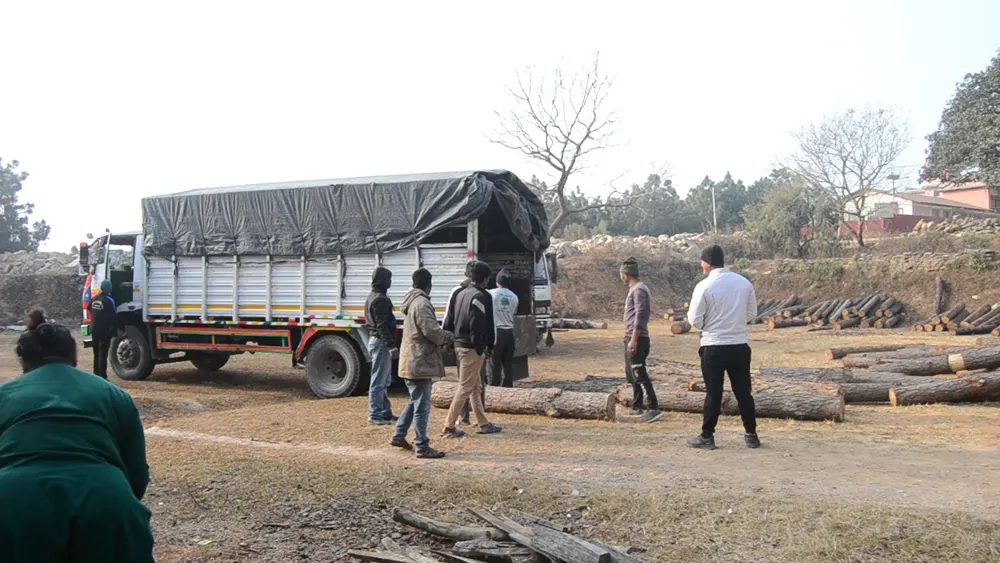
I ran a saw mill and a transport and lumber business, learning trade, negotiation, and the weight of real work.
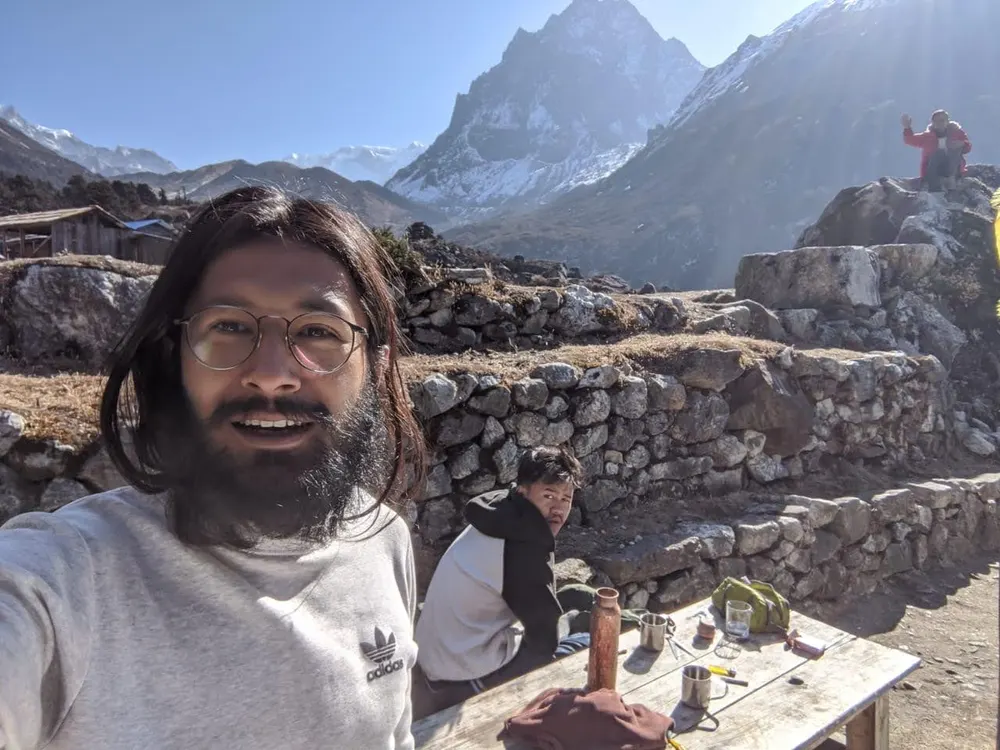
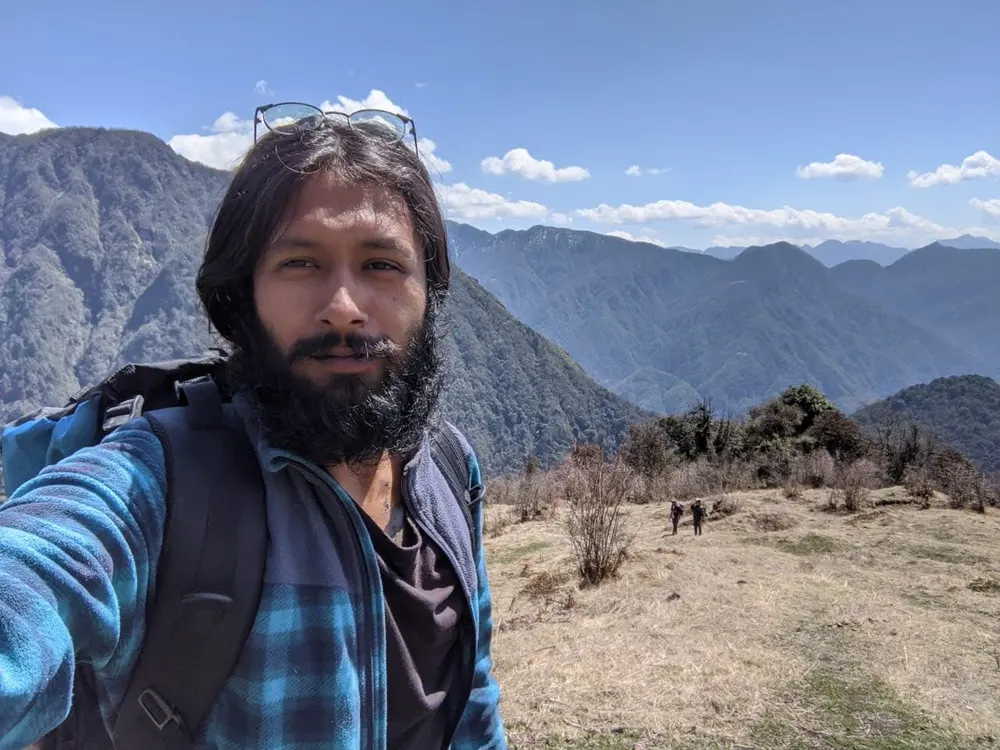
To the third highest
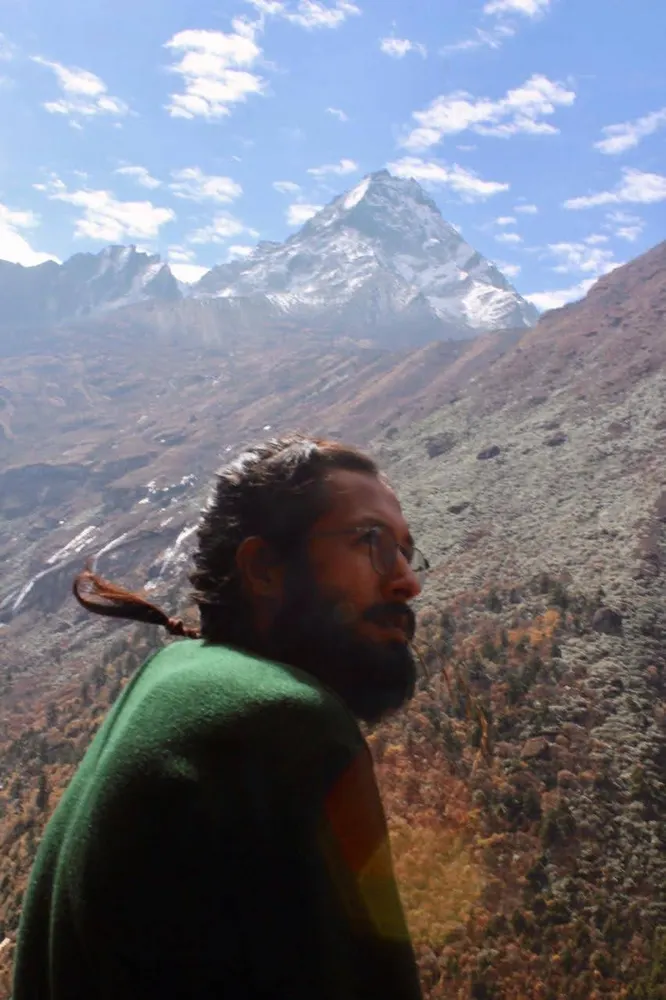
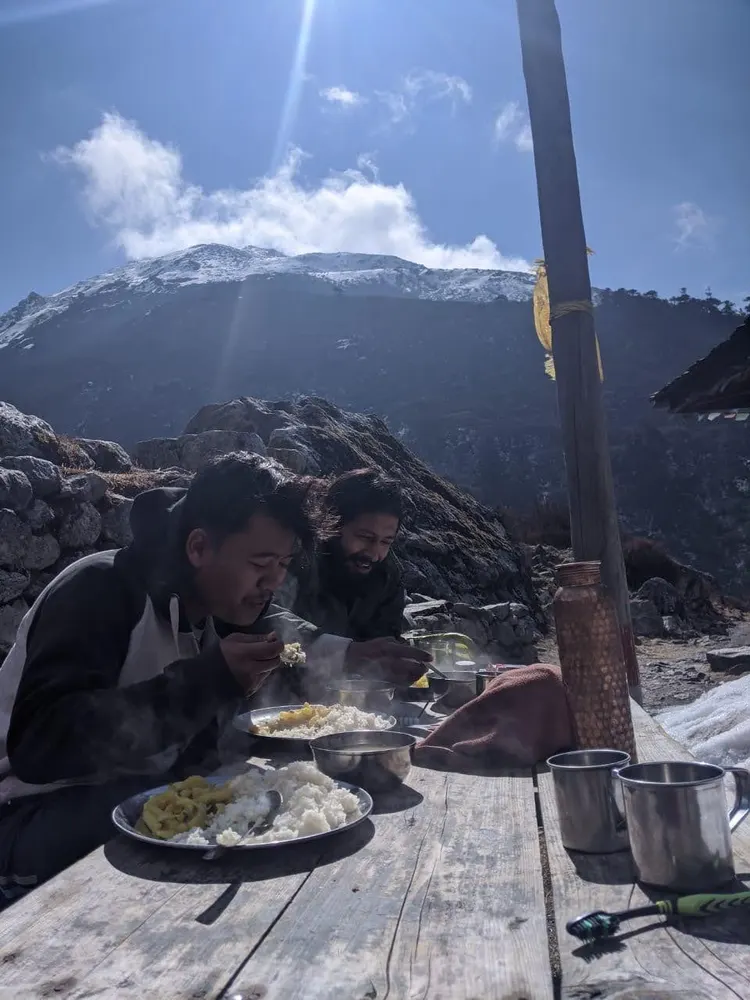
To Kanchenjunga, the third highest peak on Earth, and the long quiet trails that lead to it.
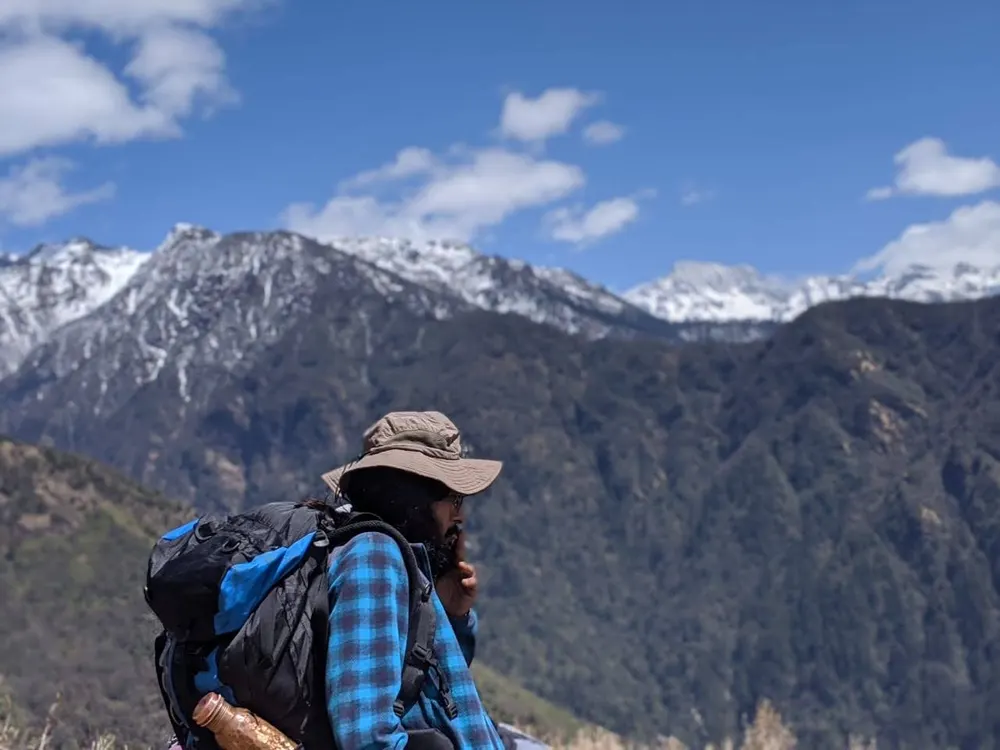
Paragliding, to feel it
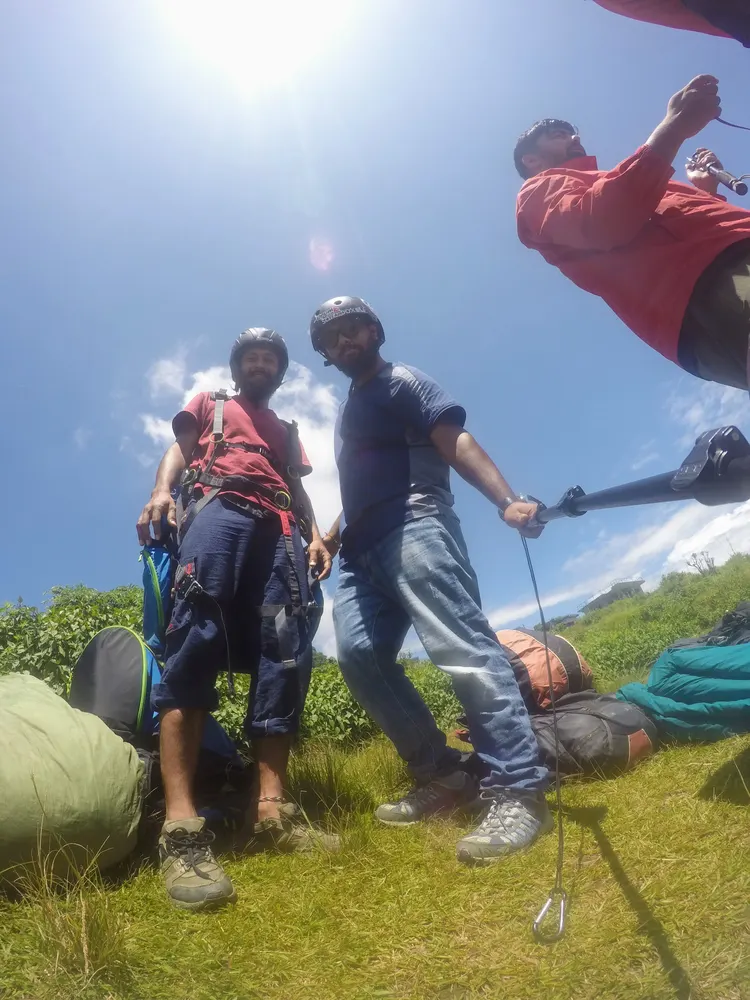
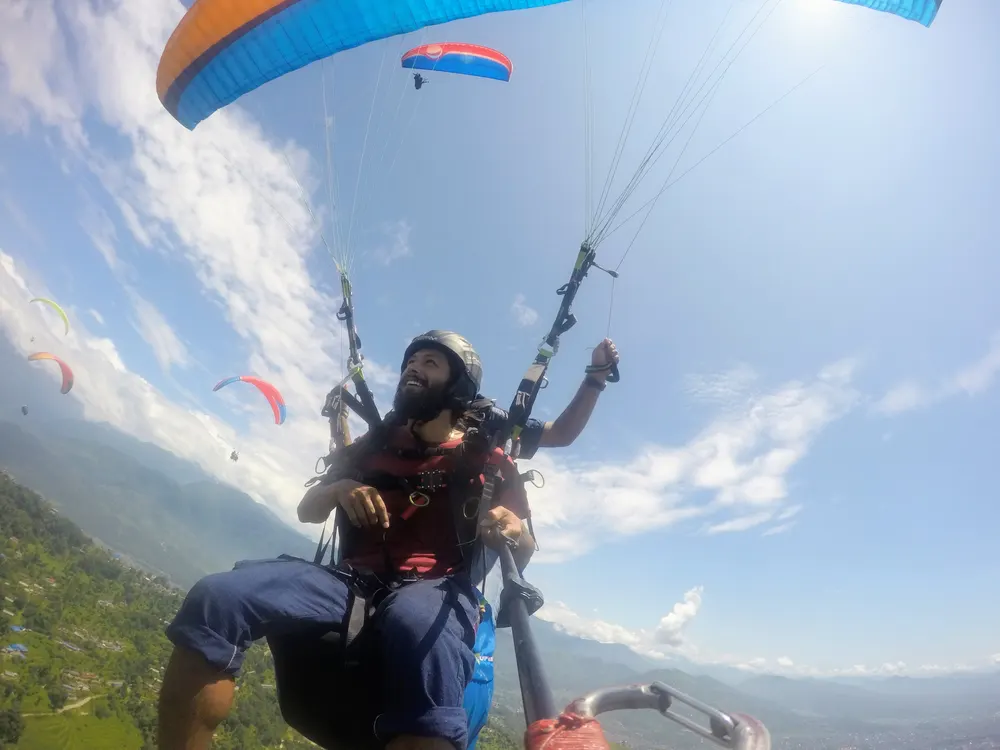
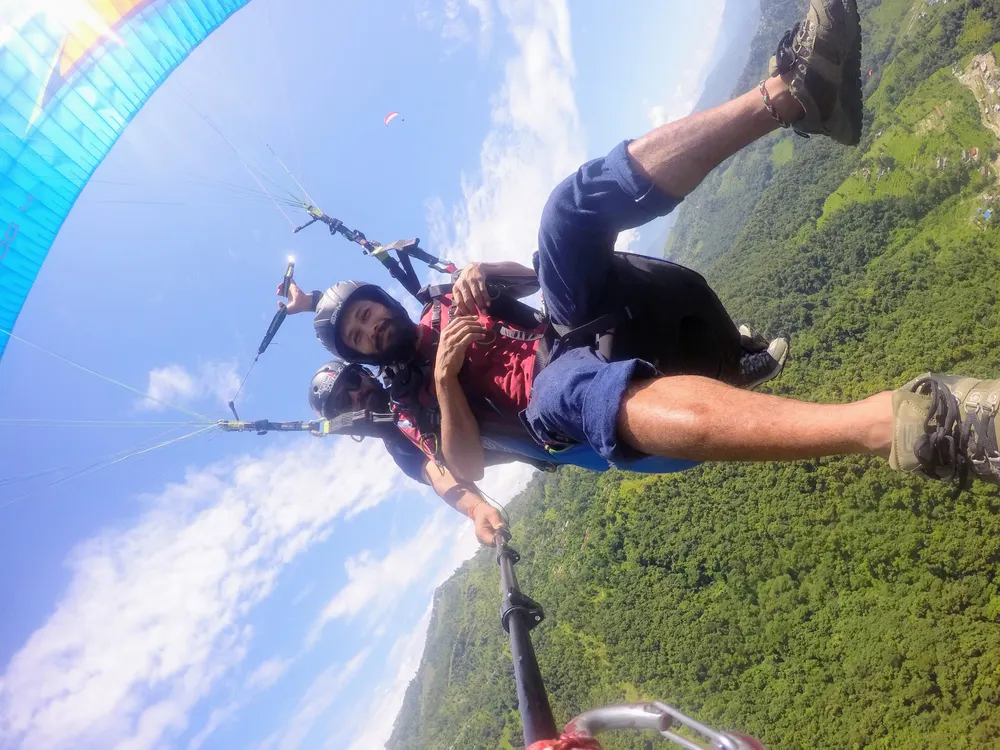
I went paragliding, just to feel the sky, and to remember that the body is meant to be alive.
Building the Joon Project
At last, from 2020, we began building the Joon Project for real, on our own land, with our own hands.
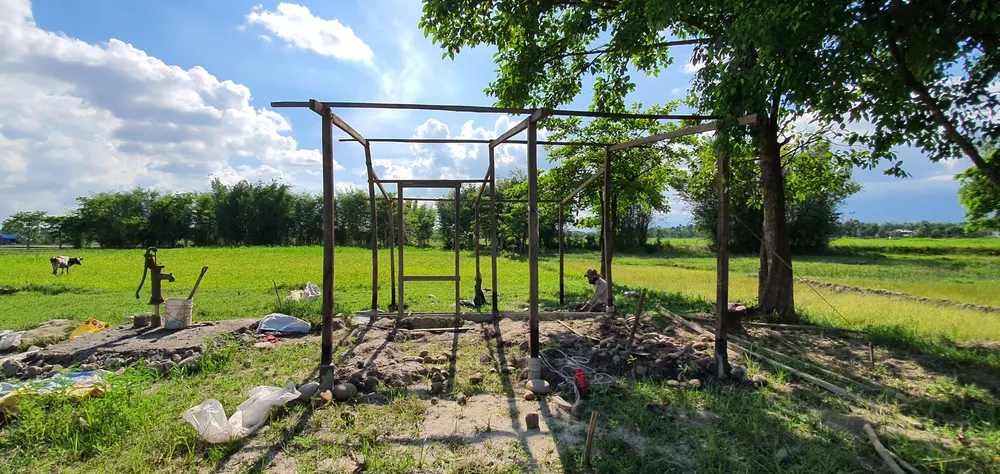
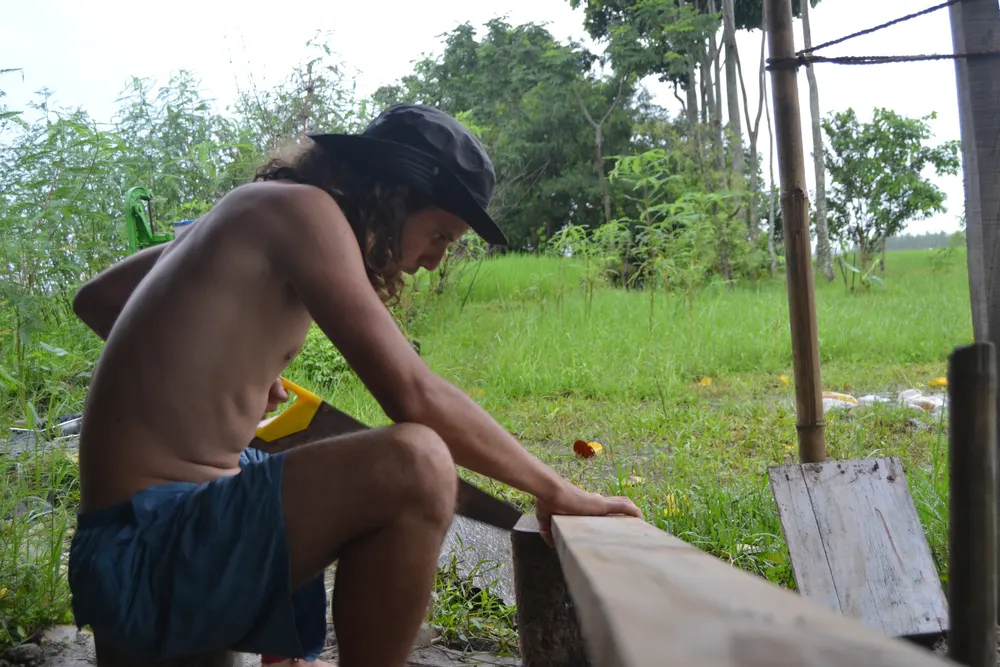
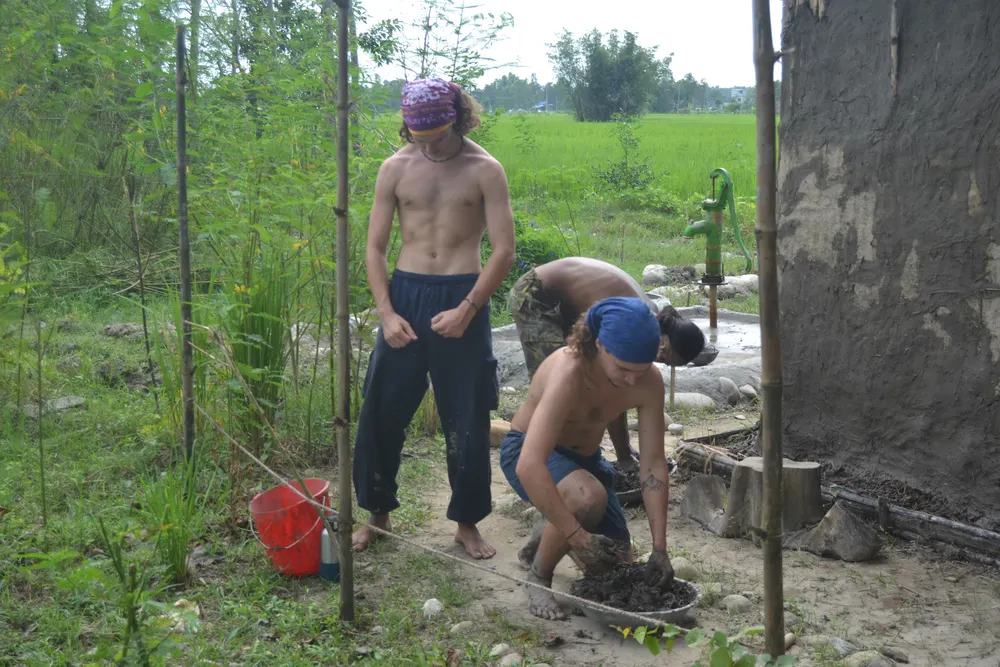
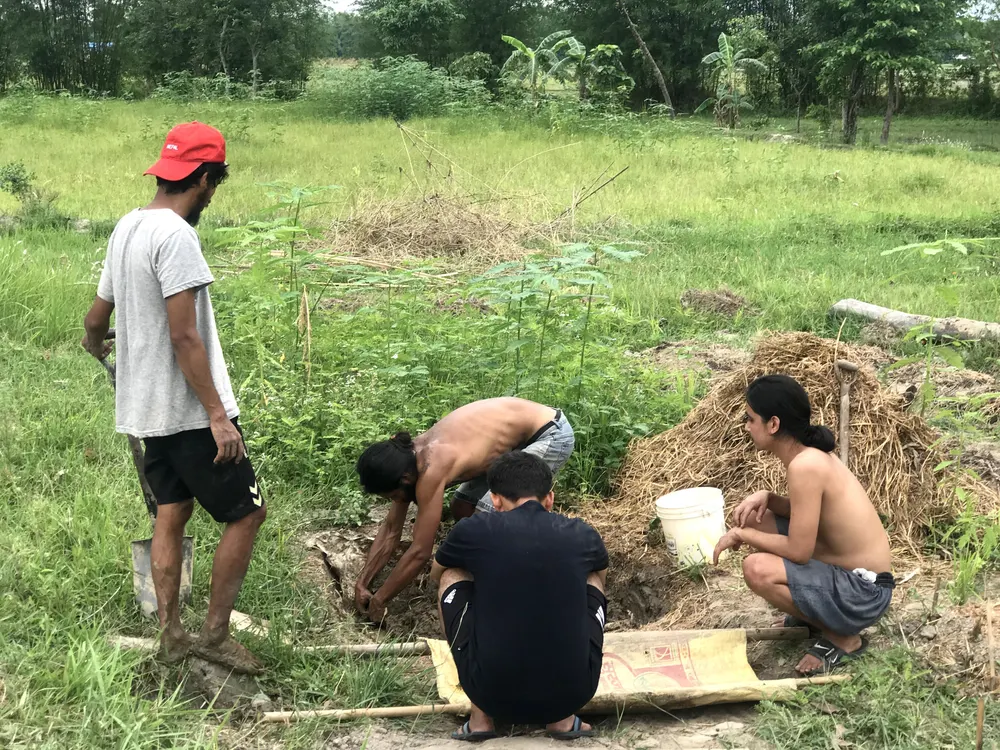
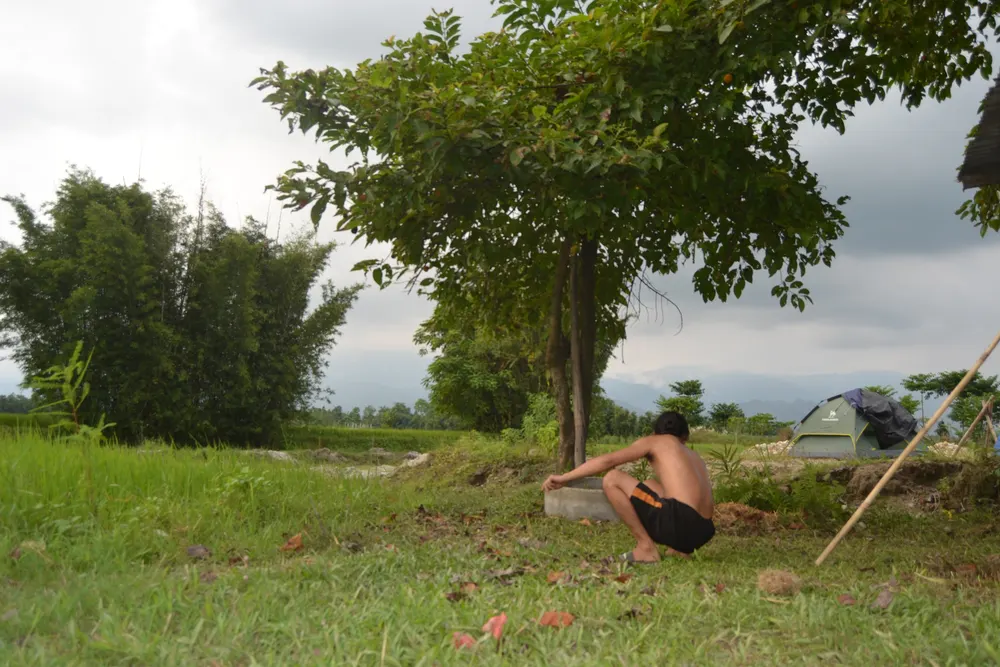
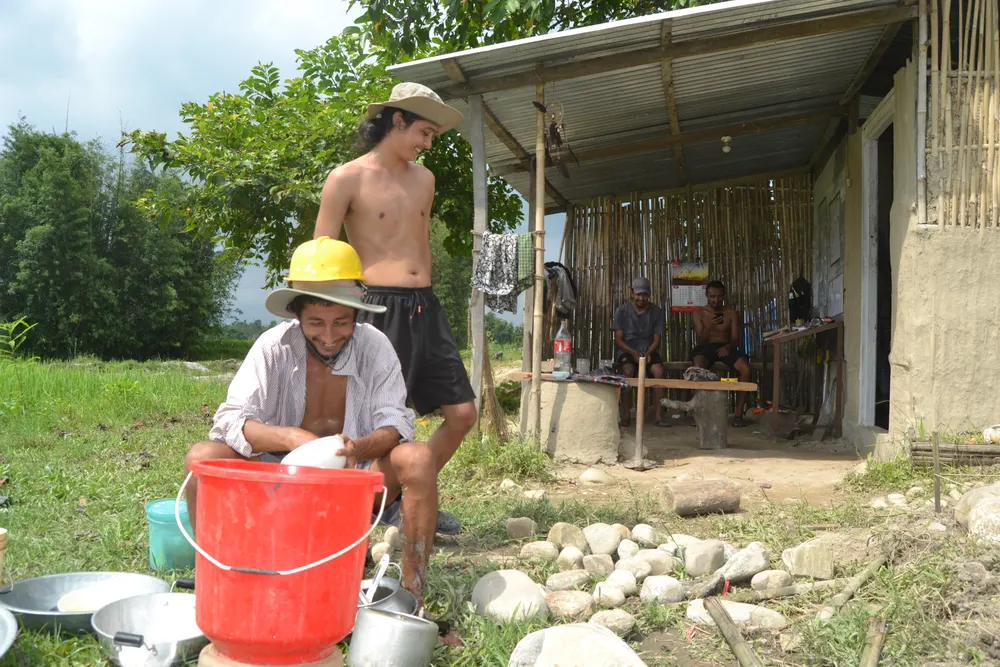
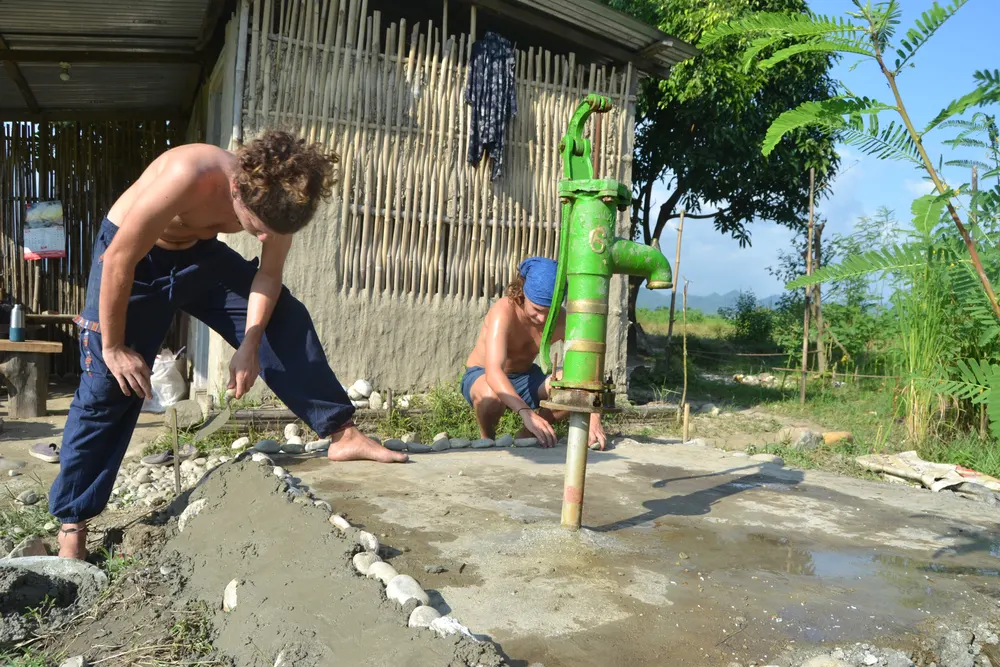
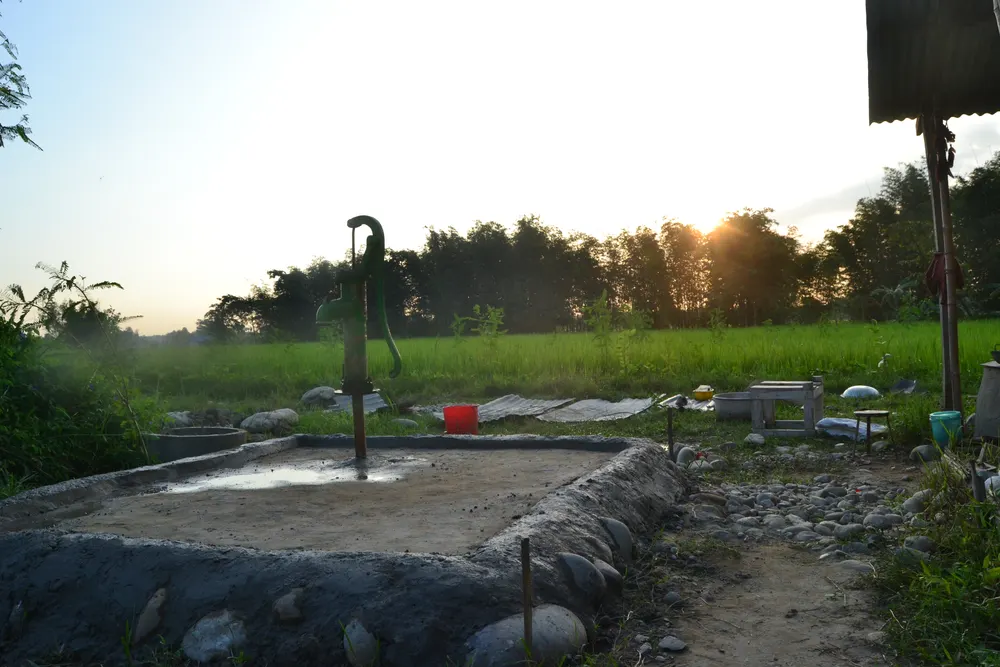
Opening up, building the water pump
We opened the place to international travellers and volunteers, and built what we needed, starting with water.
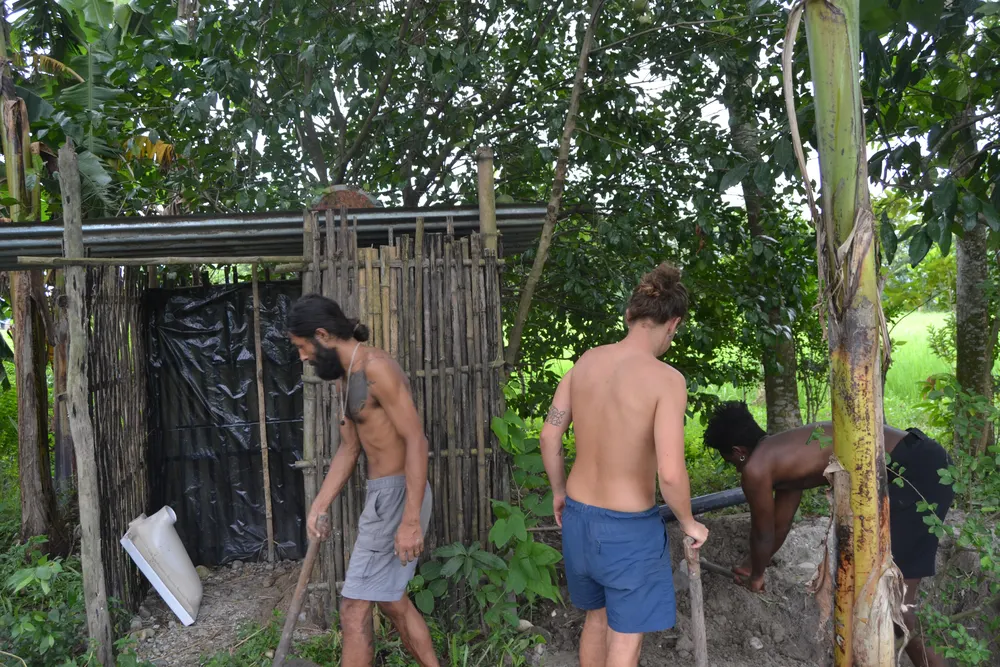
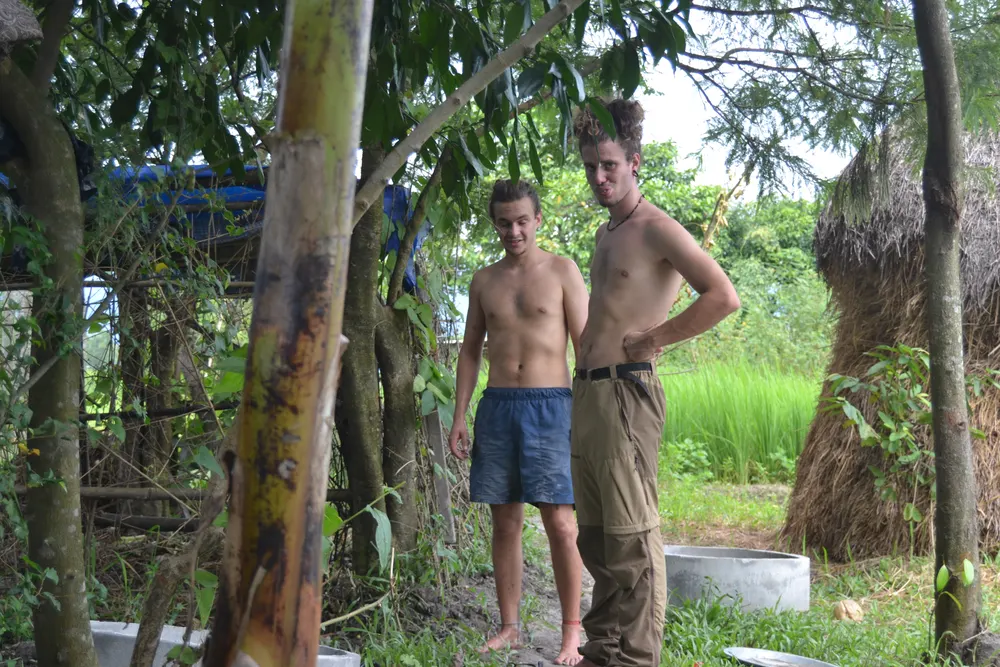
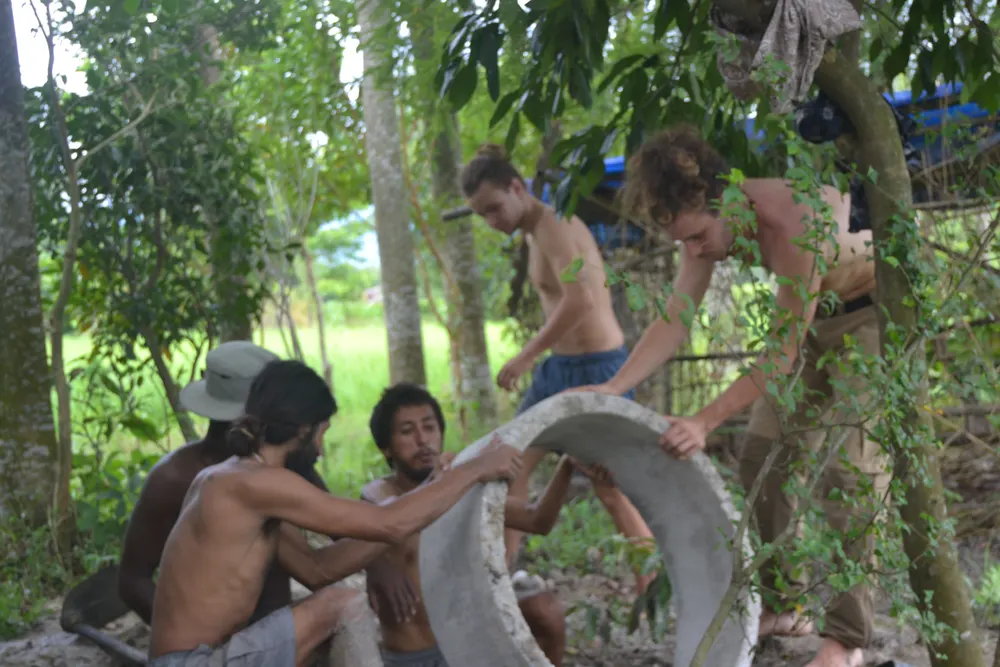
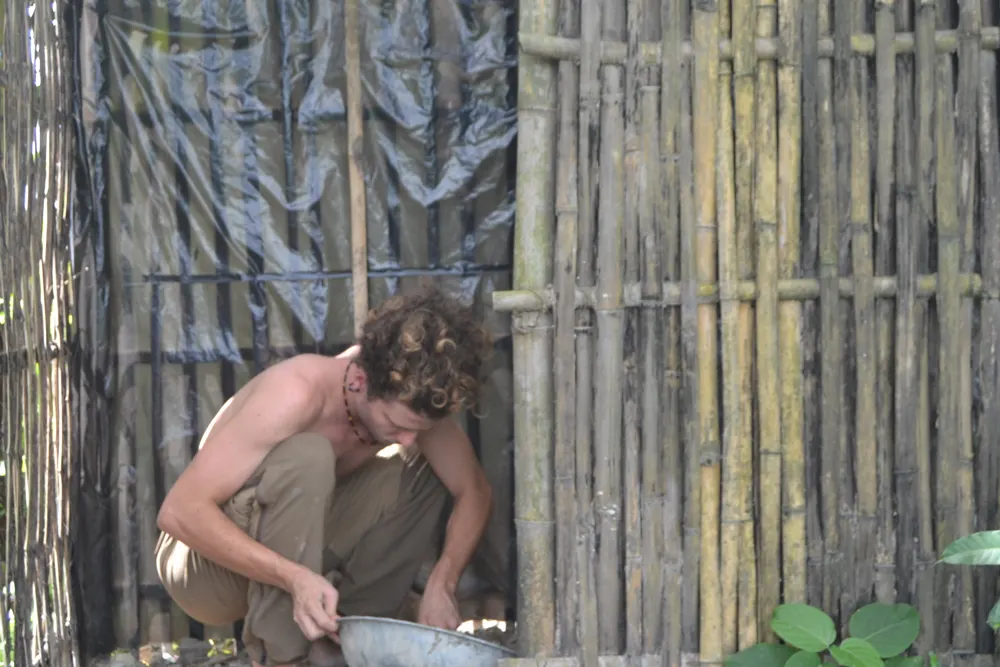
Building the toilets
We built our toilets, because dignity and sanitation come before everything else.
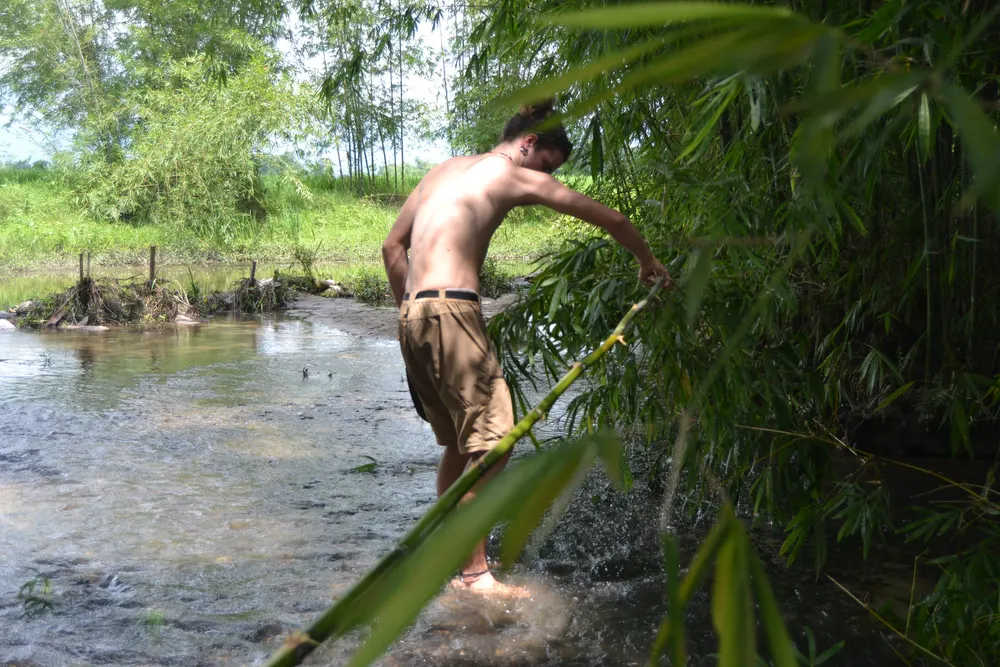
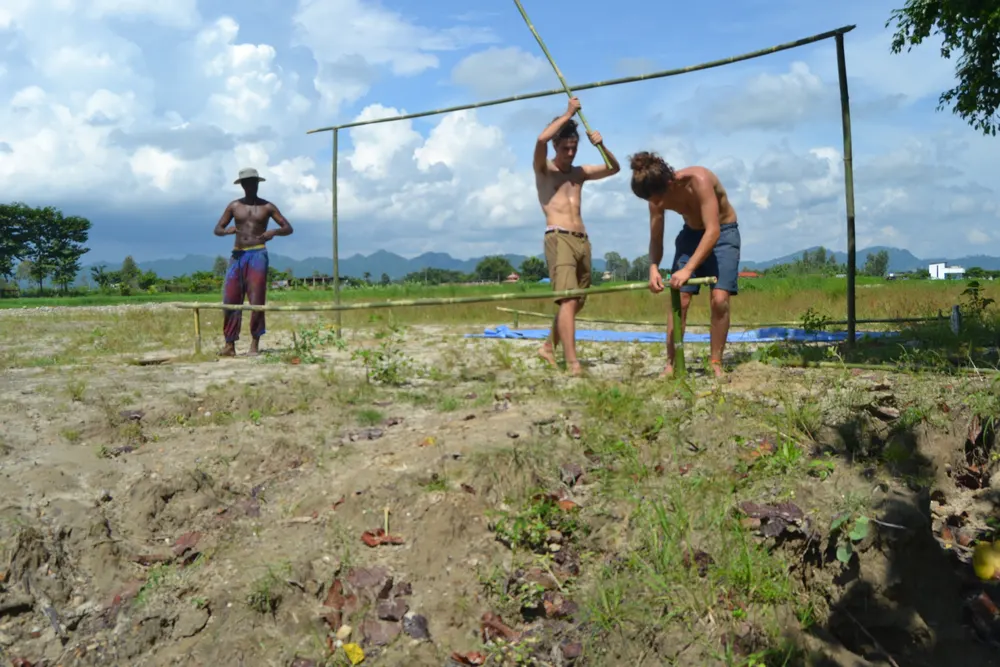
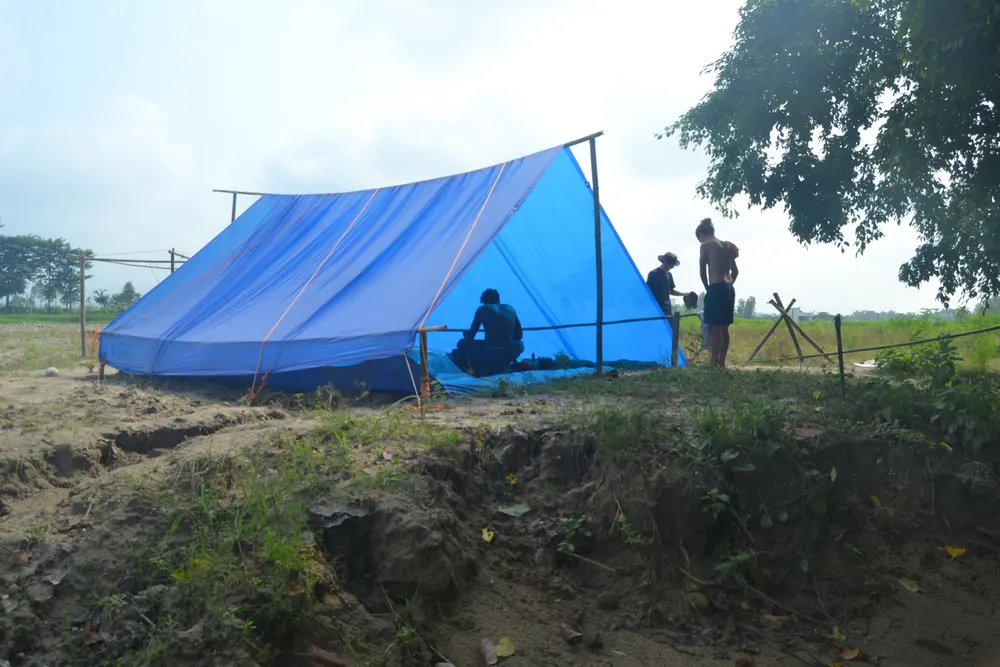
Tents for volunteers
We raised temporary tents so volunteers had a place to rest and belong.
We started farming
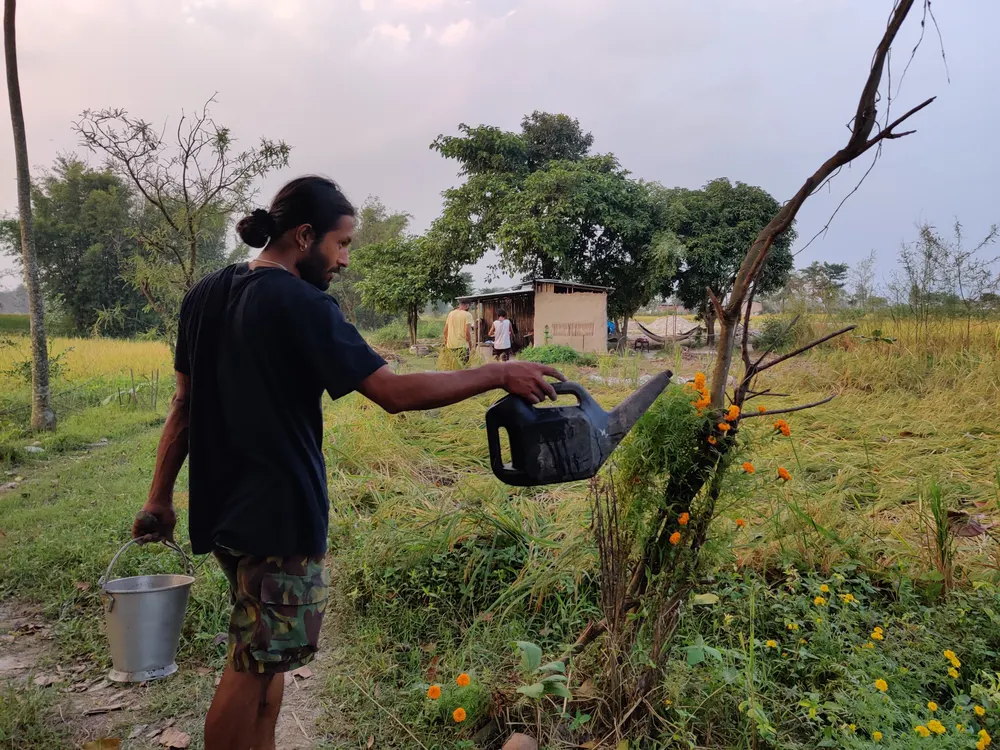
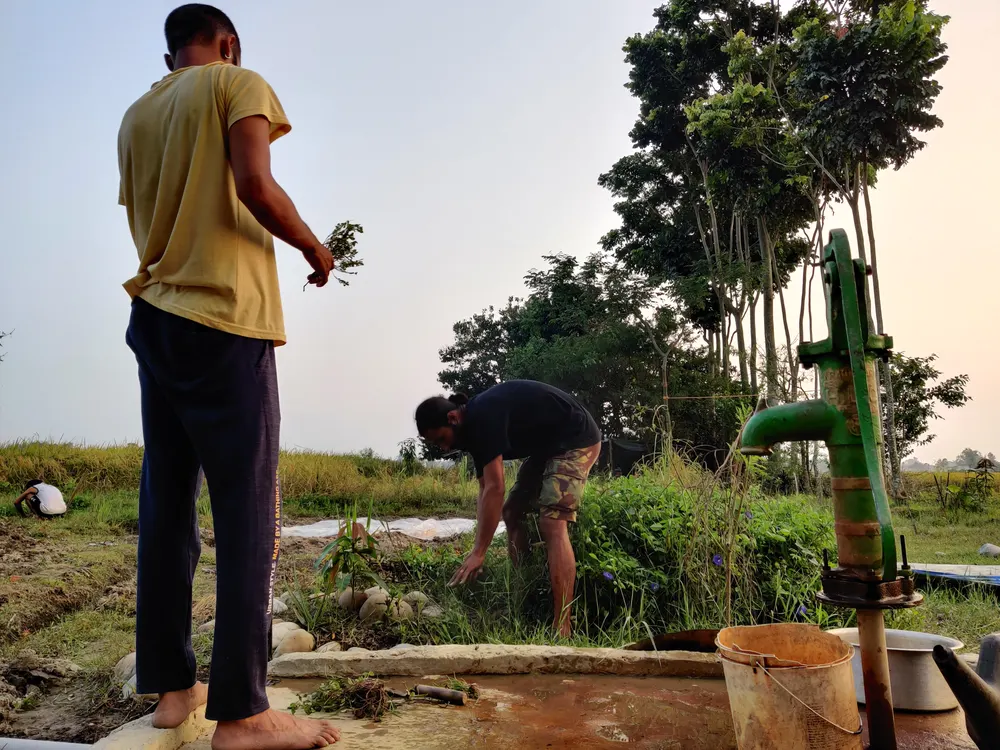
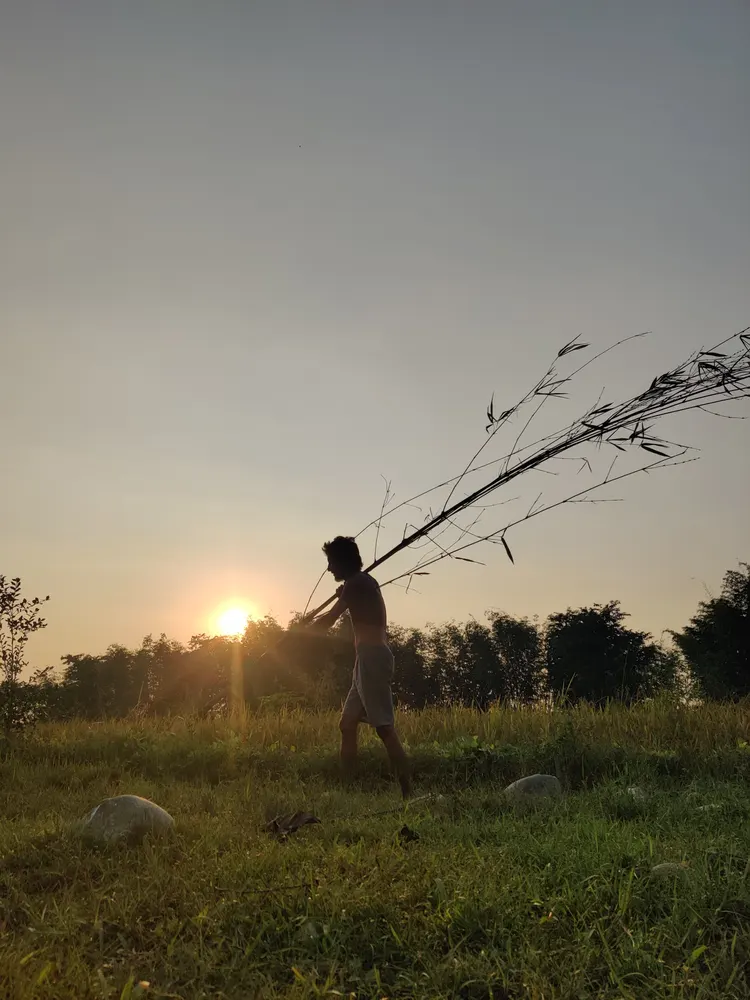
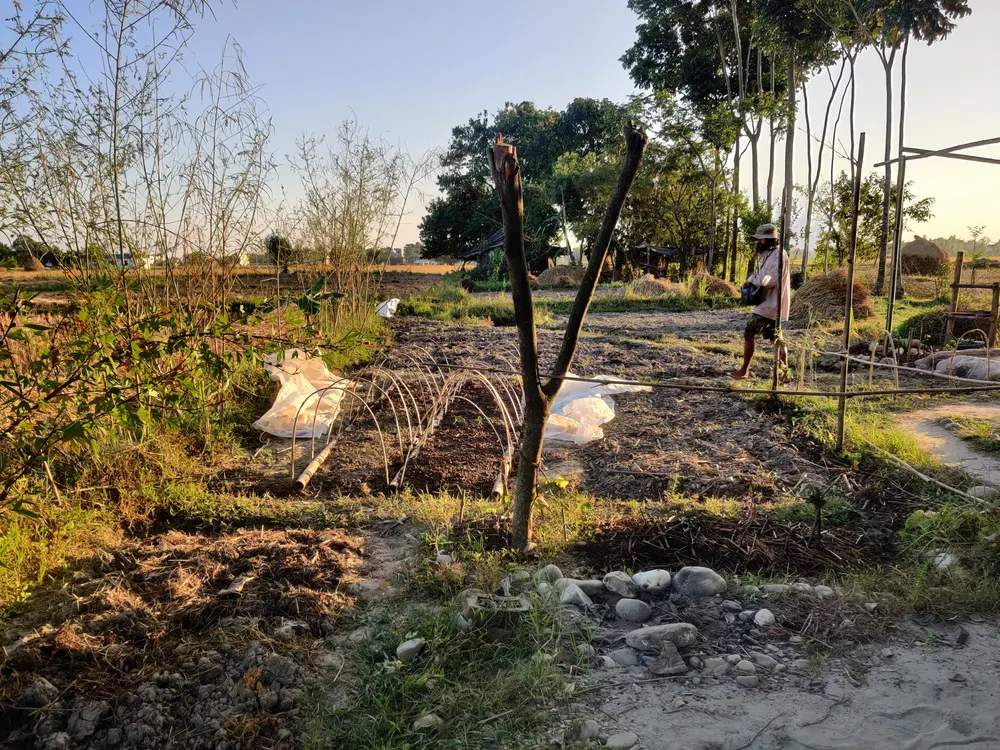
We turned soil into food, beginning the regenerative farming that feeds the whole idea.
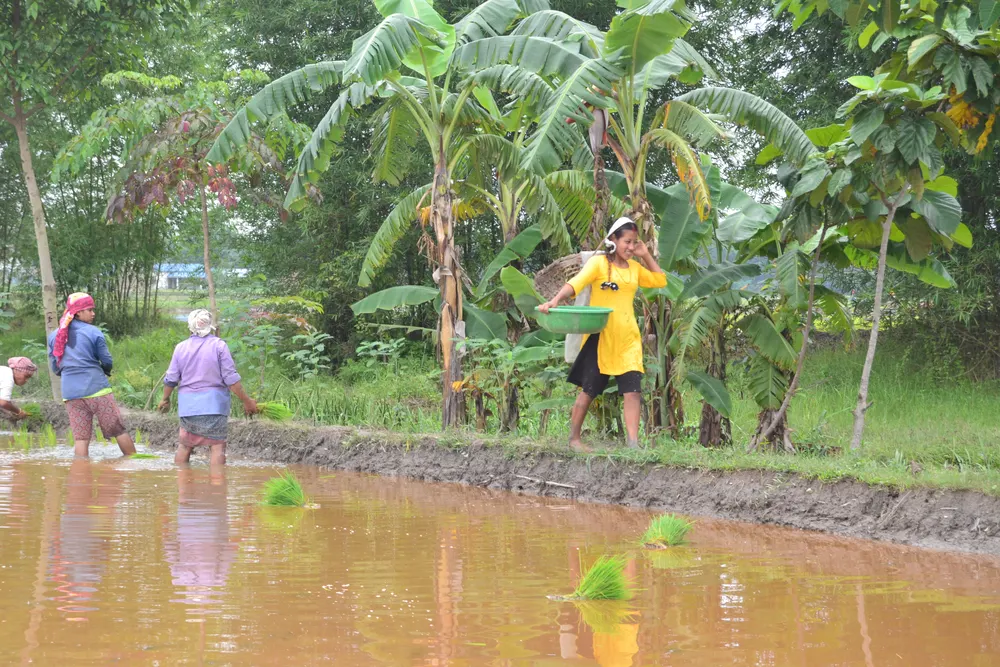
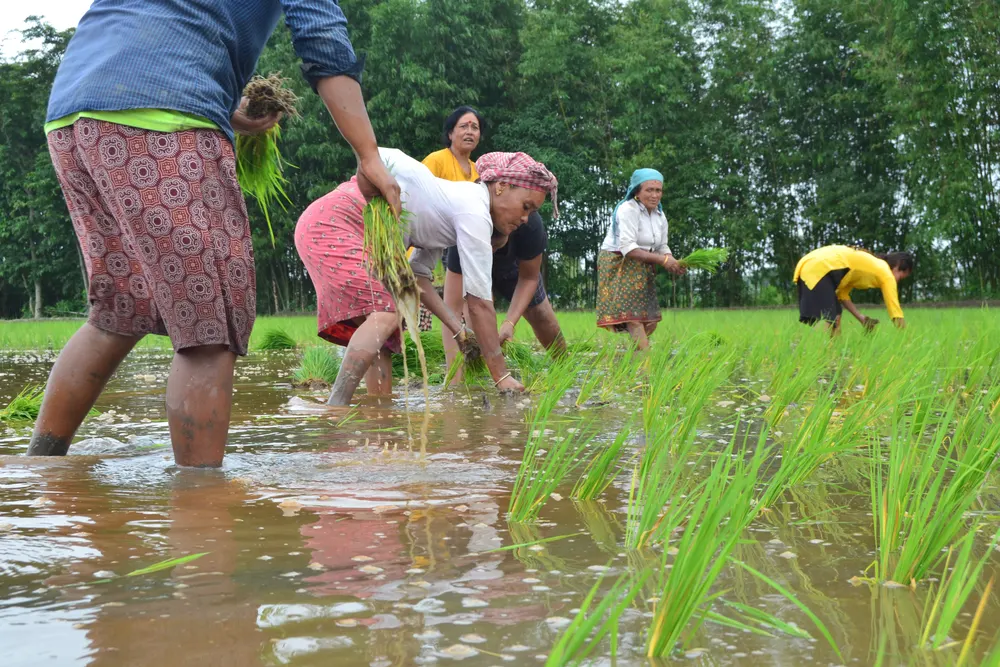
Planting rice together
Planting rice together in the mud, the oldest and most grounding work there is.
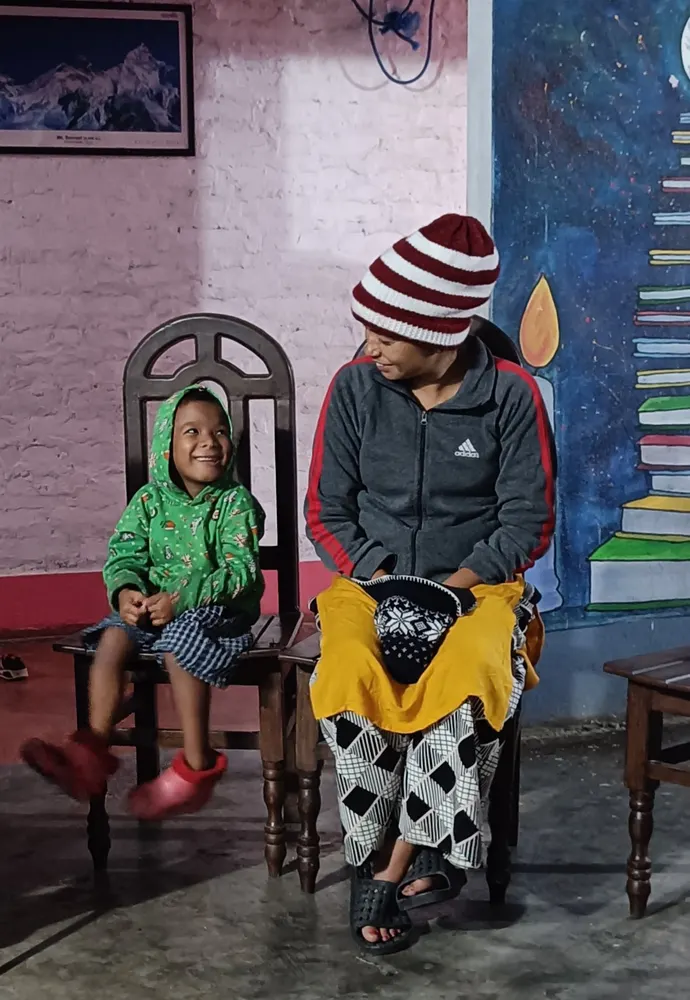
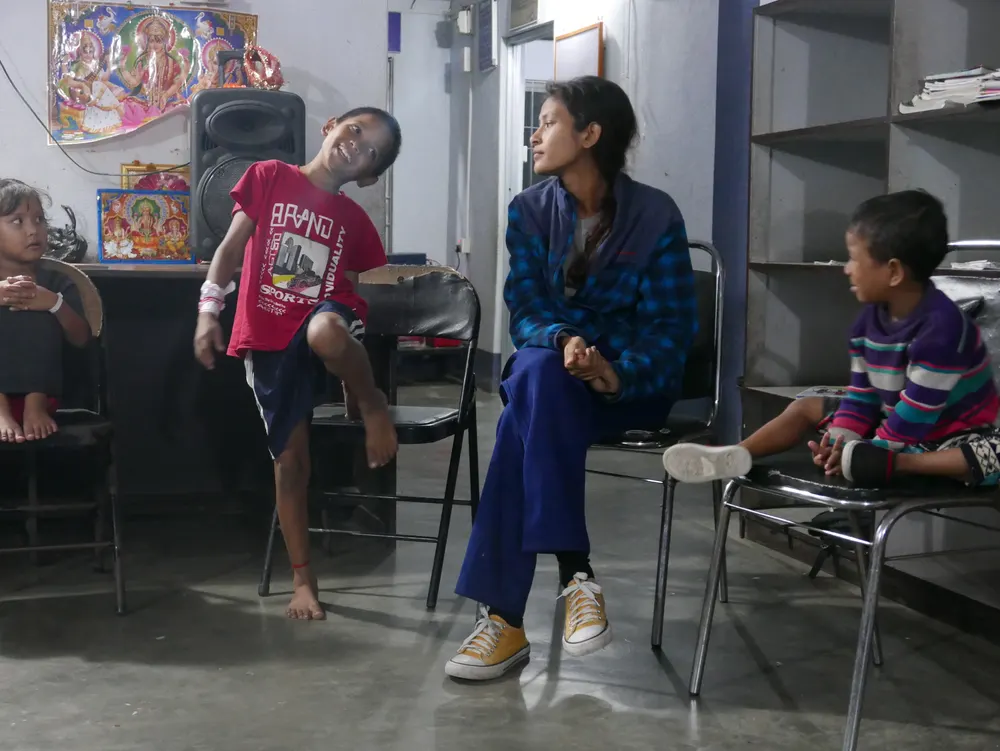
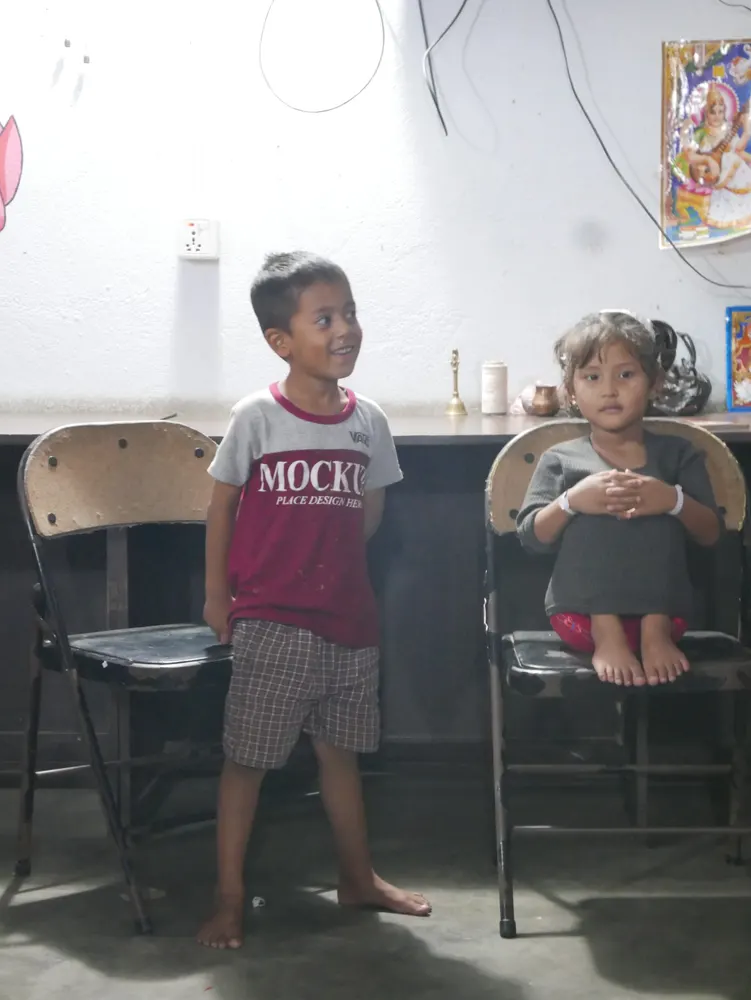
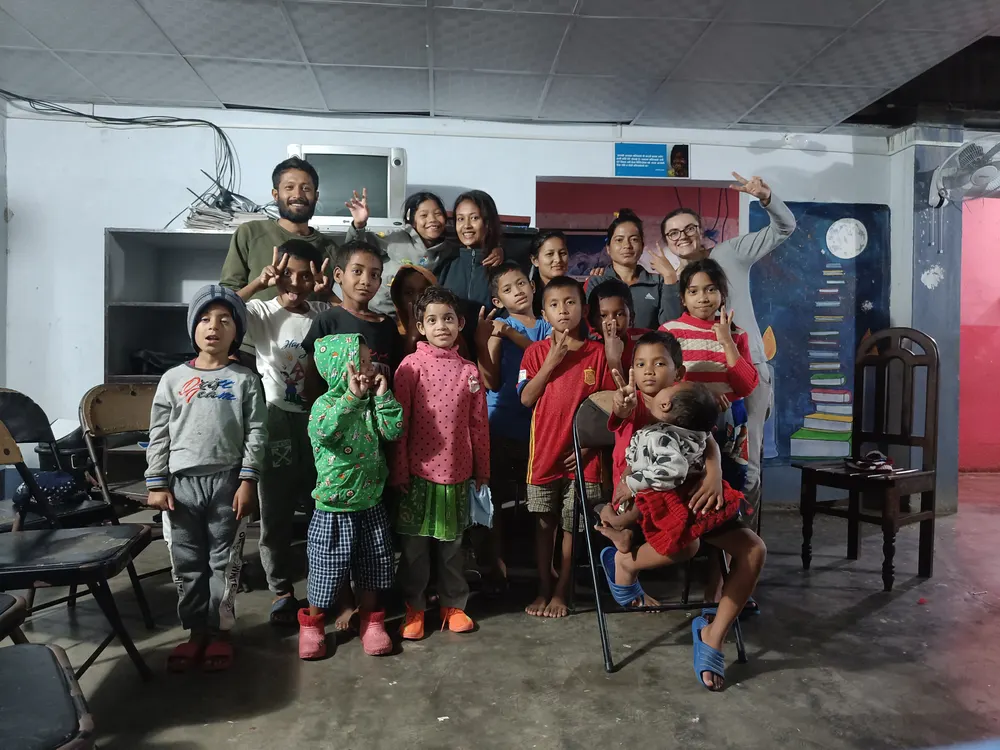
Connecting with the orphanage
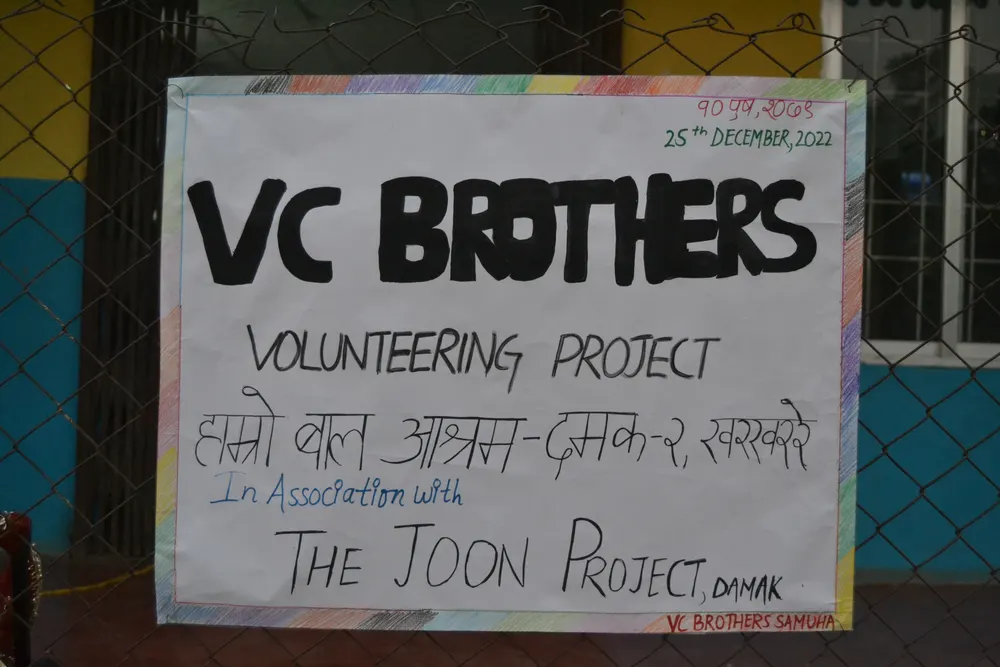
We connected with a local orphanage, and slowly it became part of the family of the work.
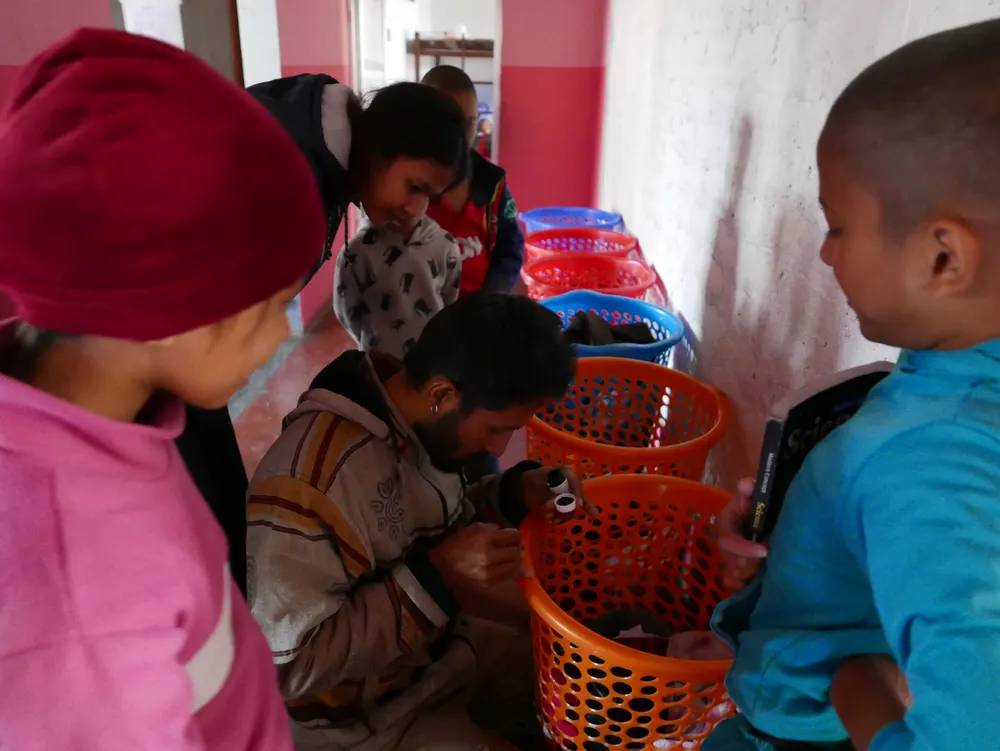
Organising the home
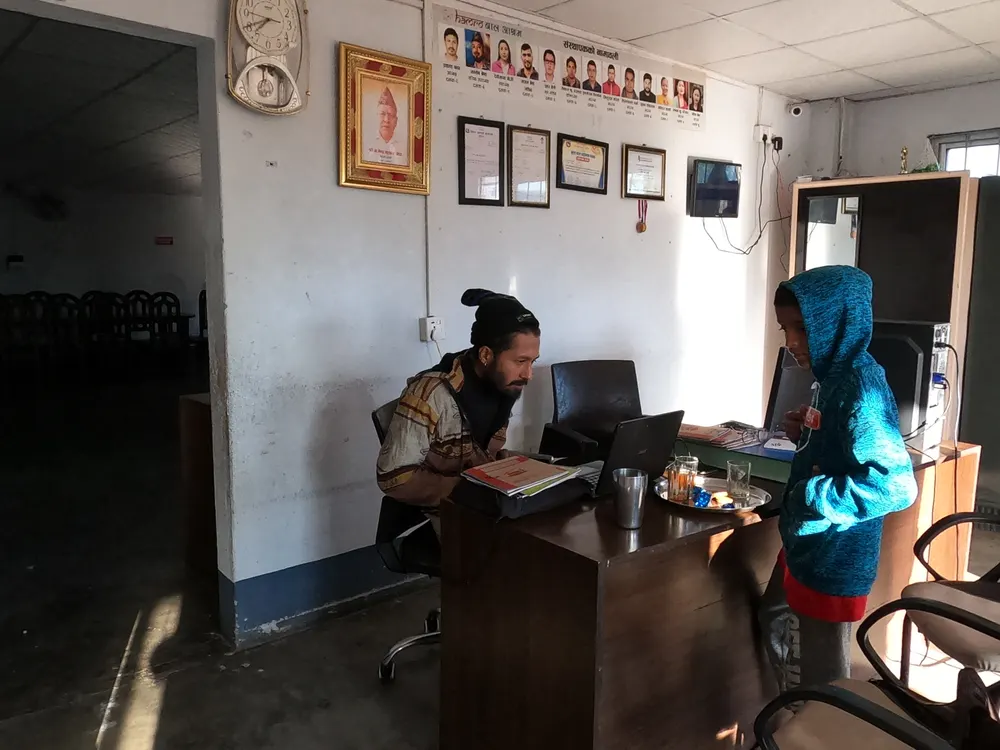
We helped reorganise the orphanage, turning an institution into a warmer, more human home.
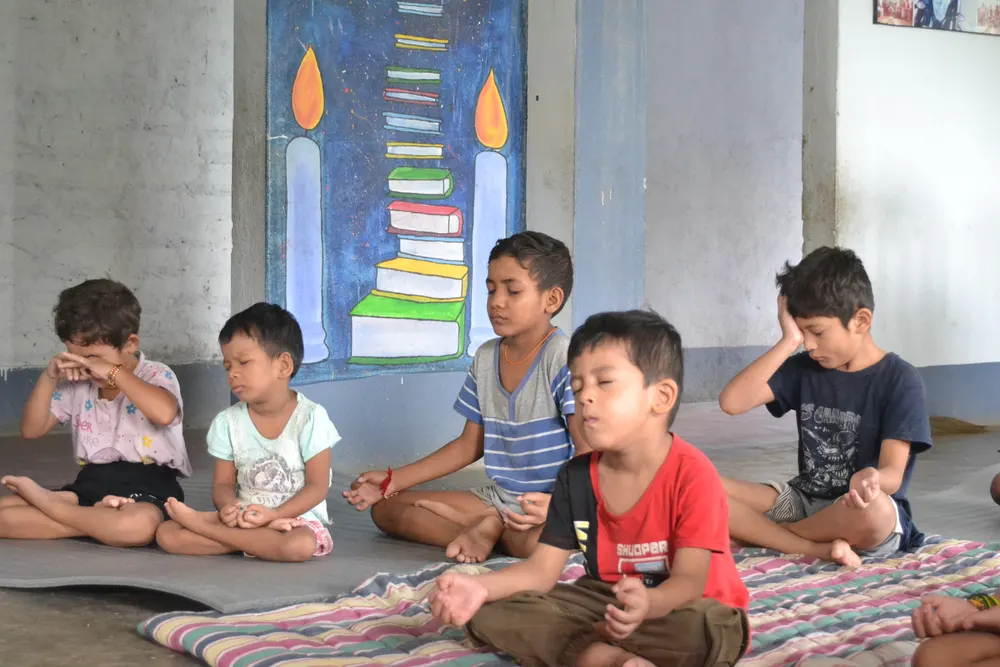
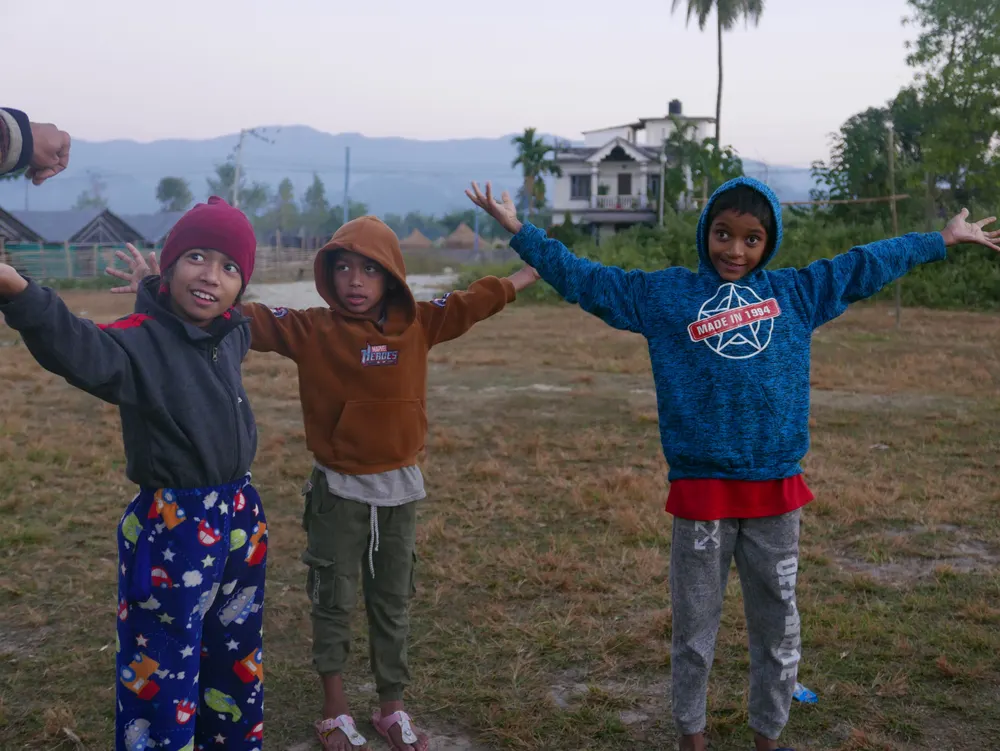
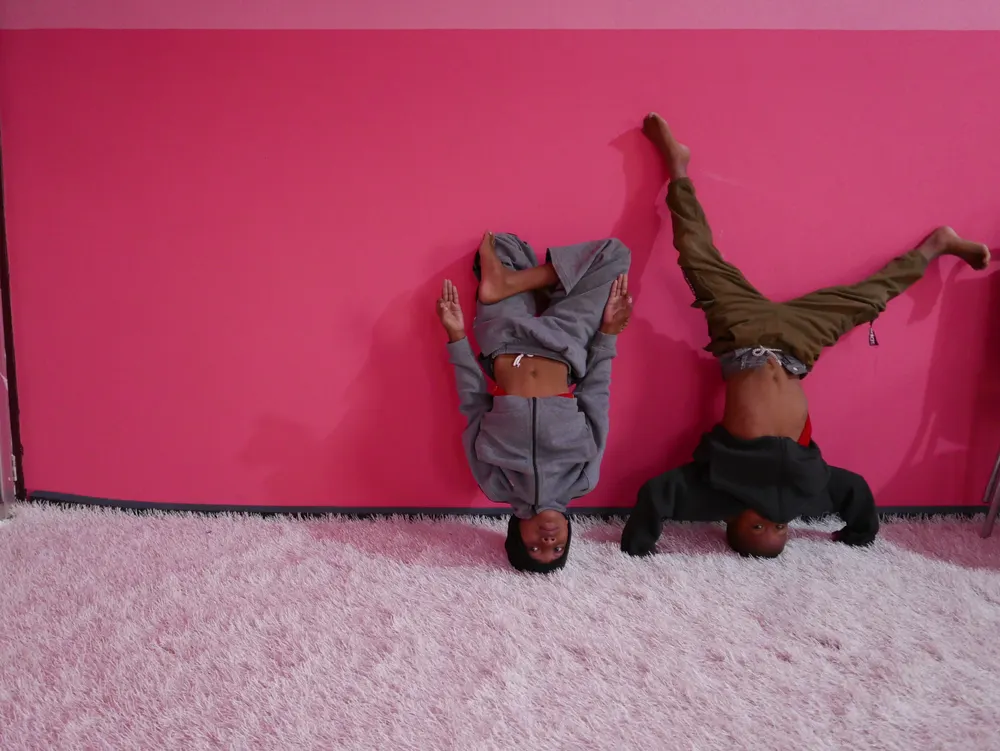
Teaching yoga
We taught the children yoga, to feel their breath and their bodies.
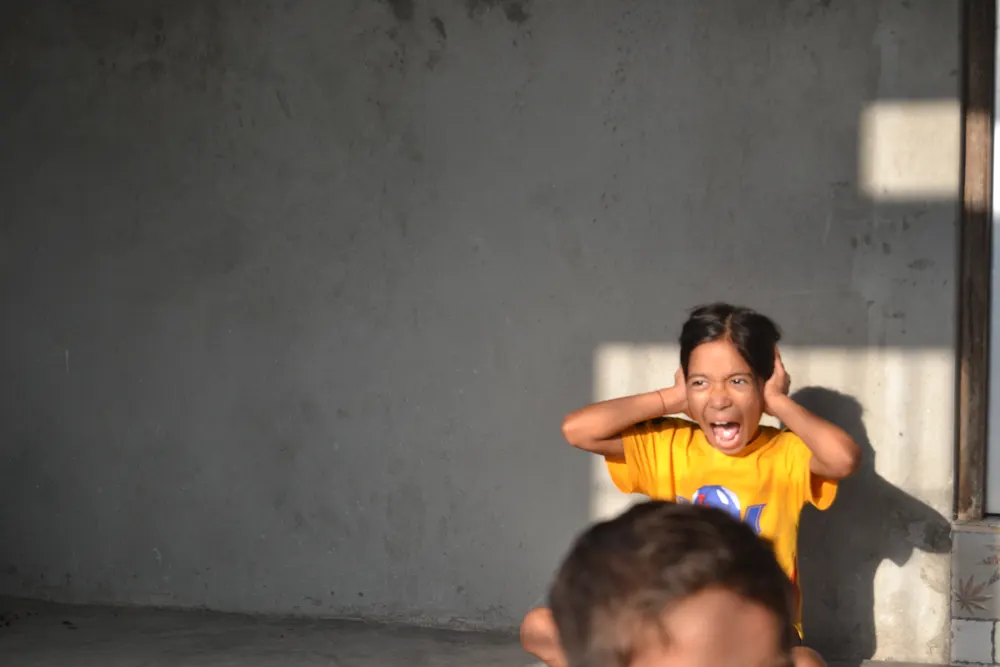
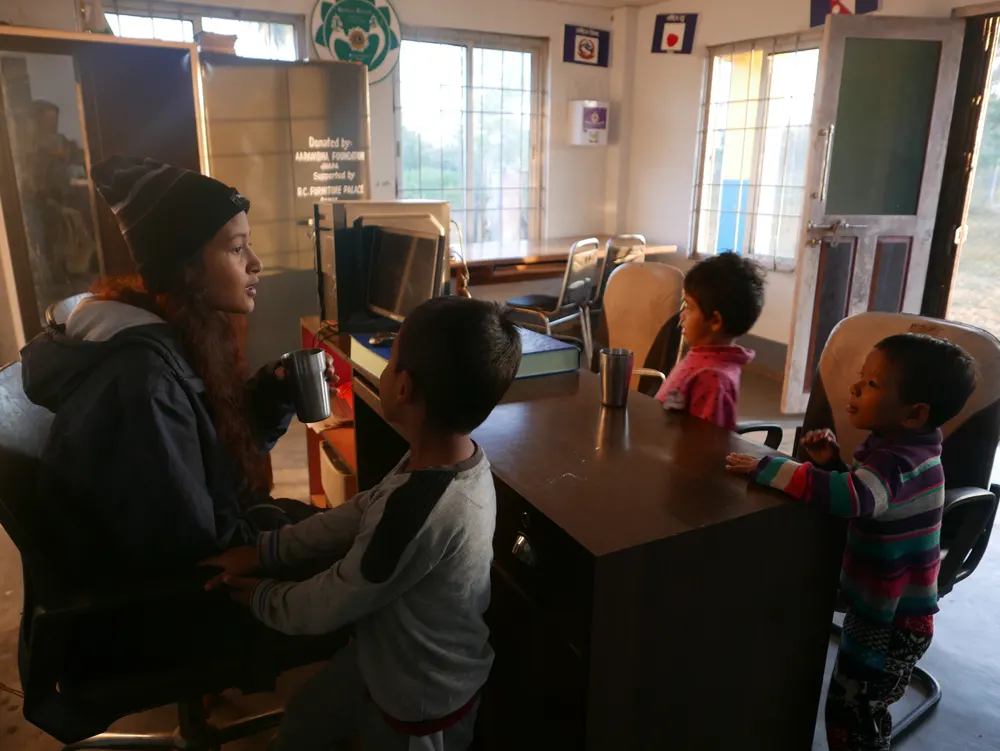
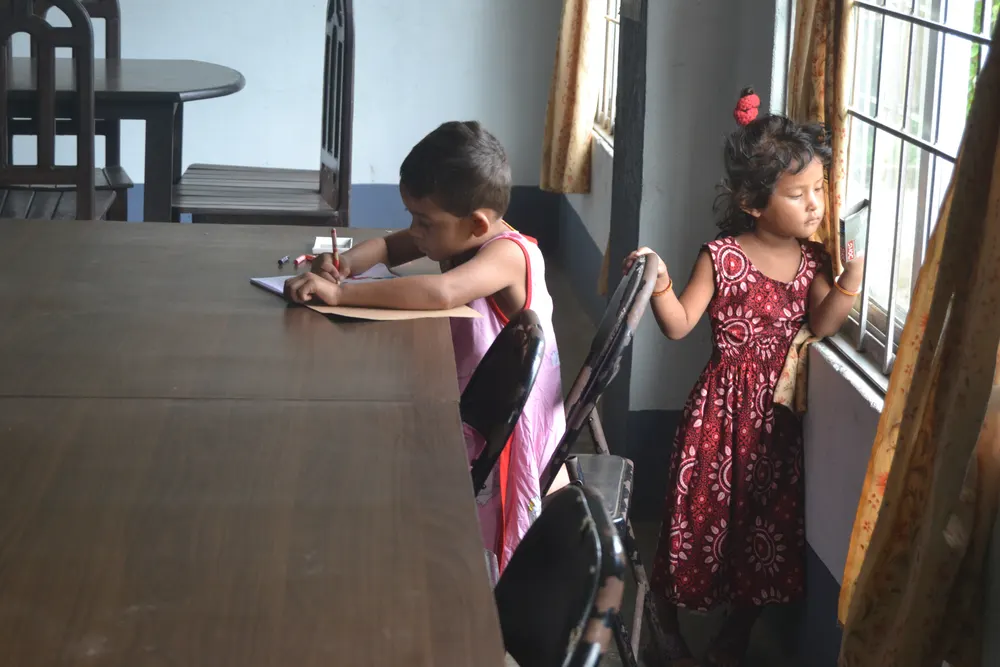
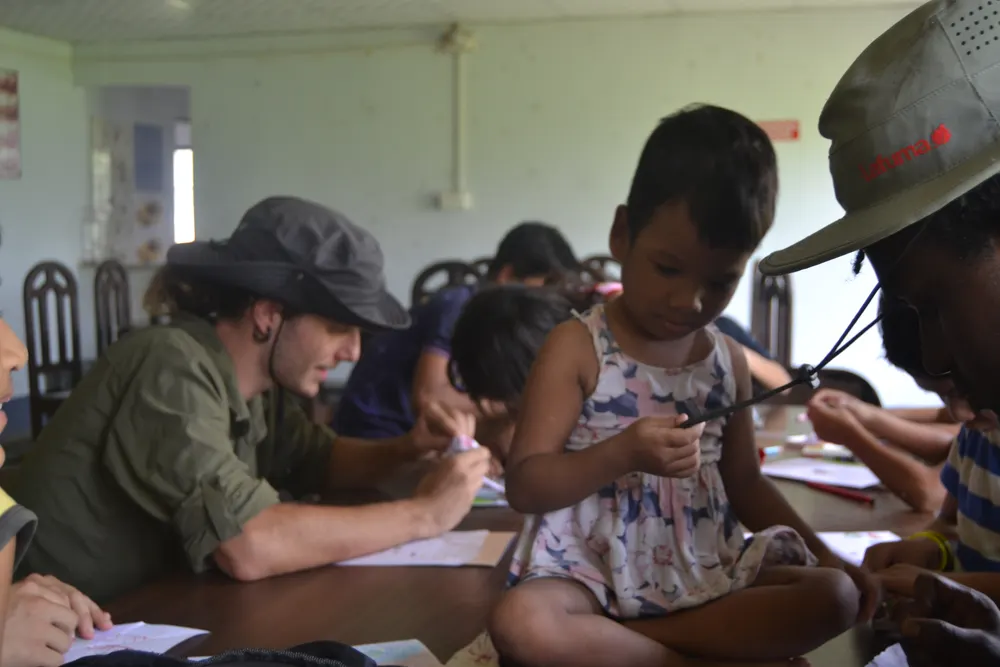
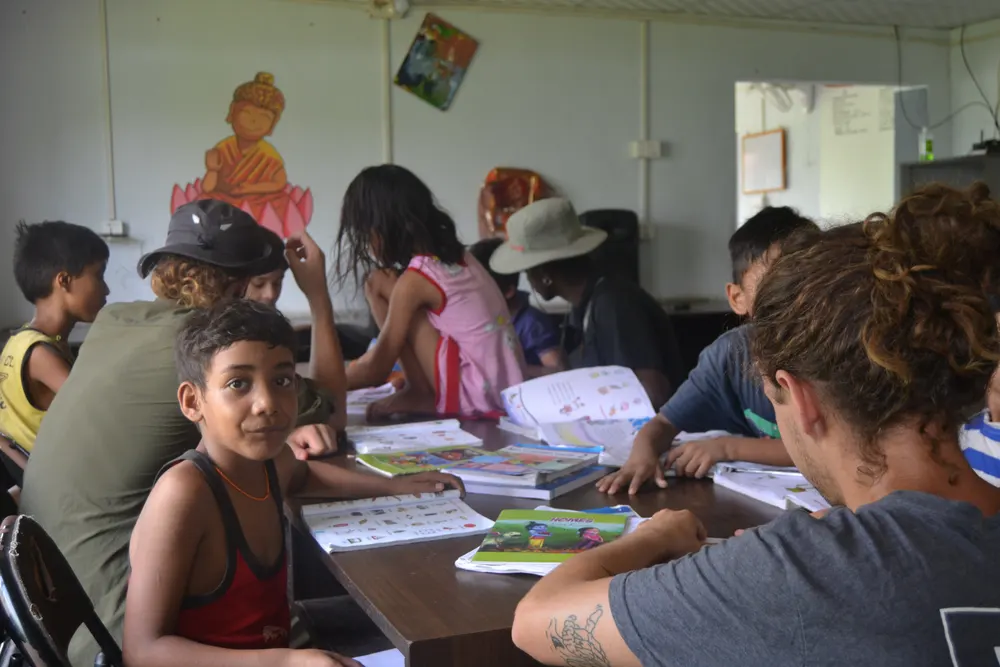
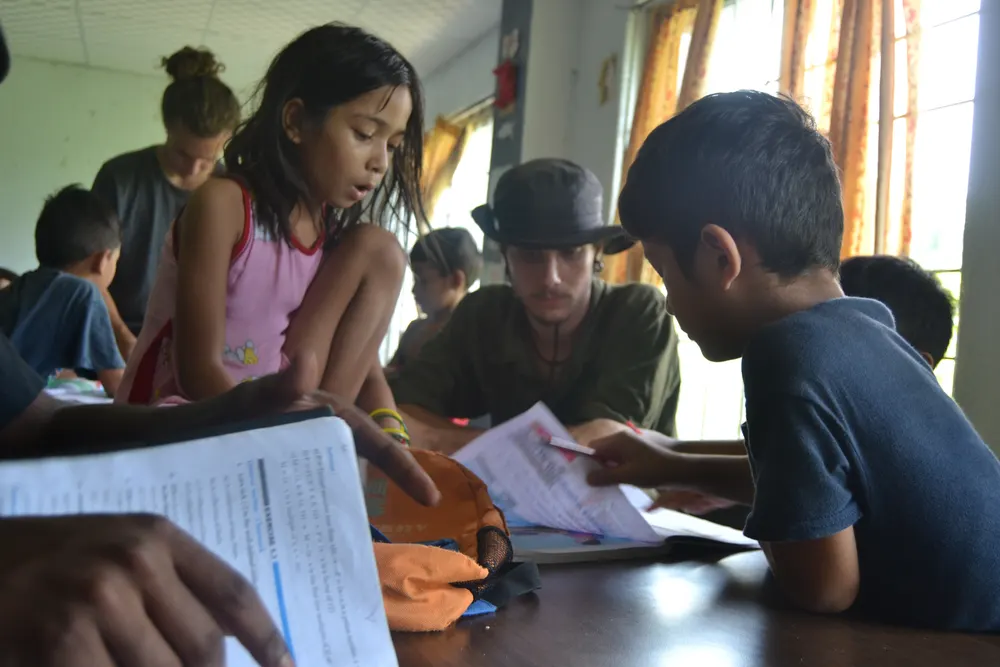
Helping with studies
We sat with them through their studies, so school felt less like a wall and more like a door.
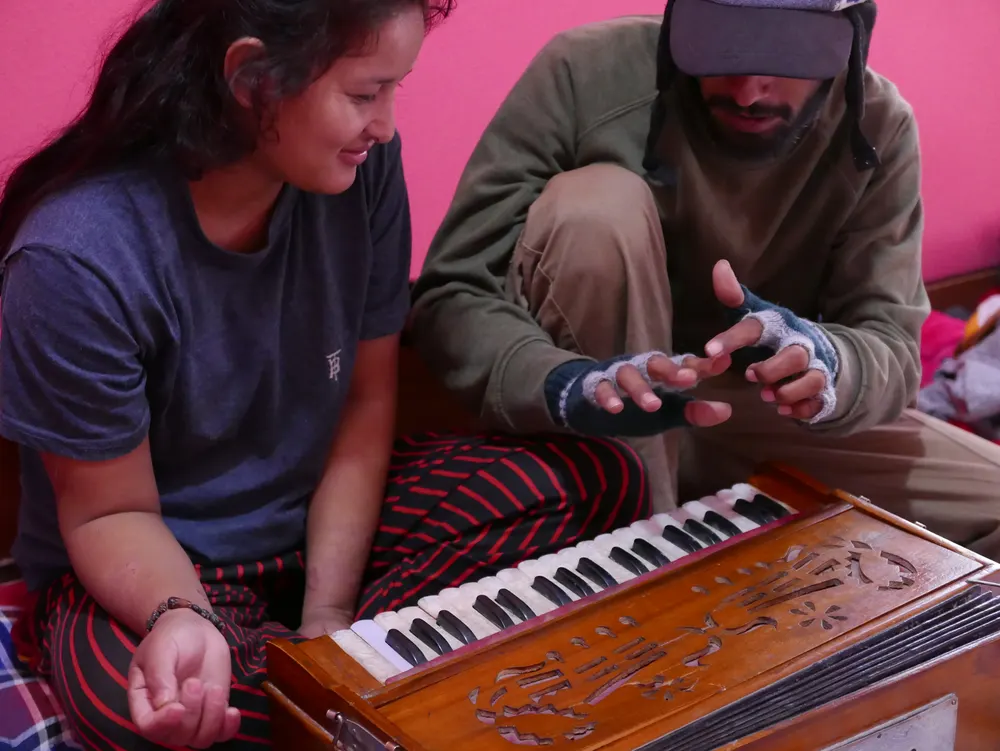
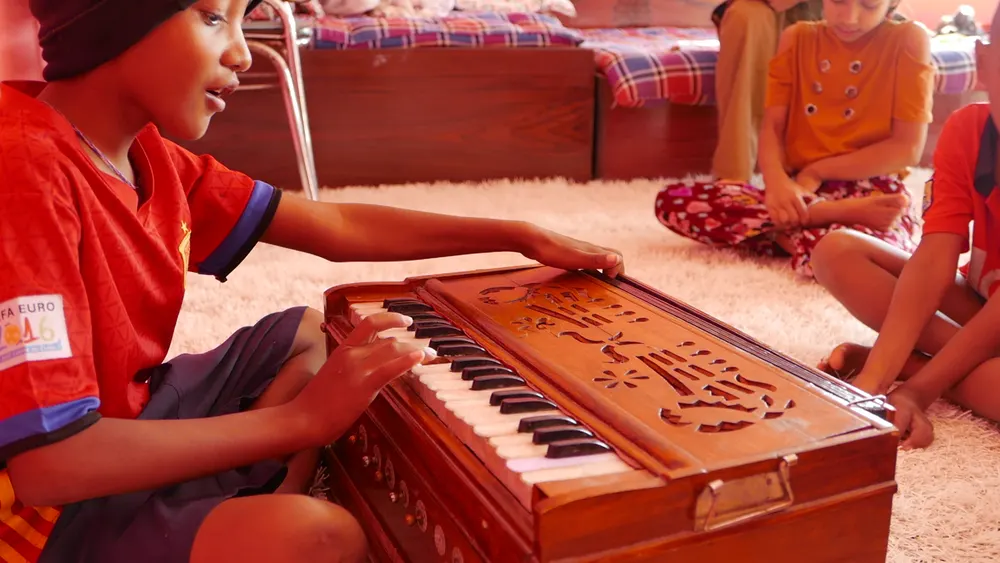
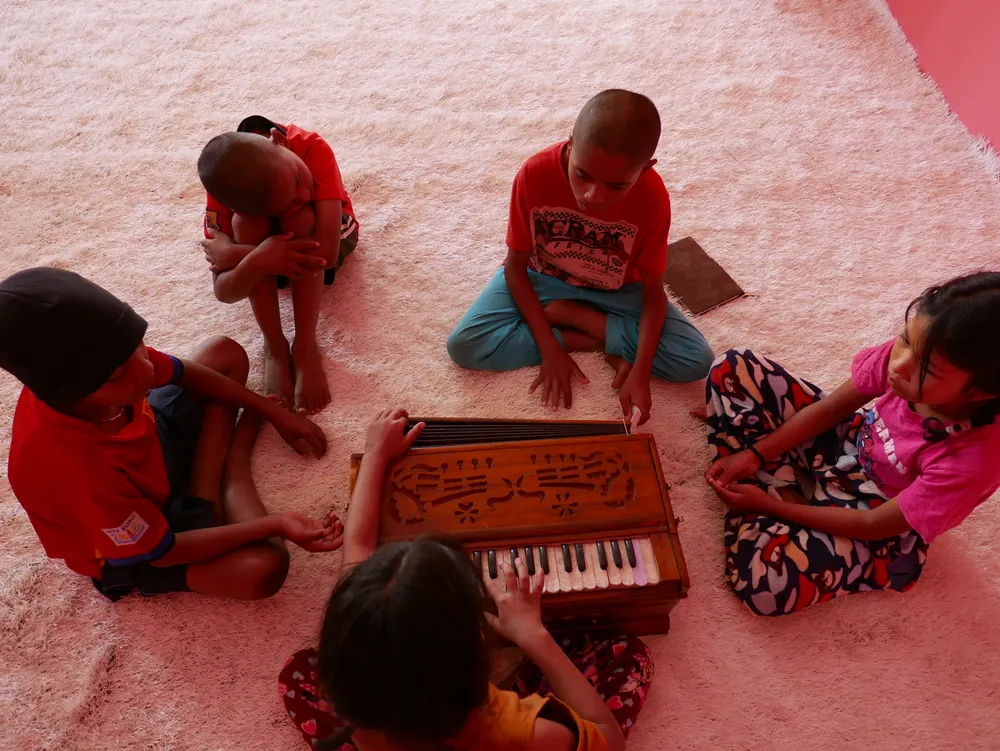
Teaching music
We brought music in, because a child who can make music carries something no one can take.
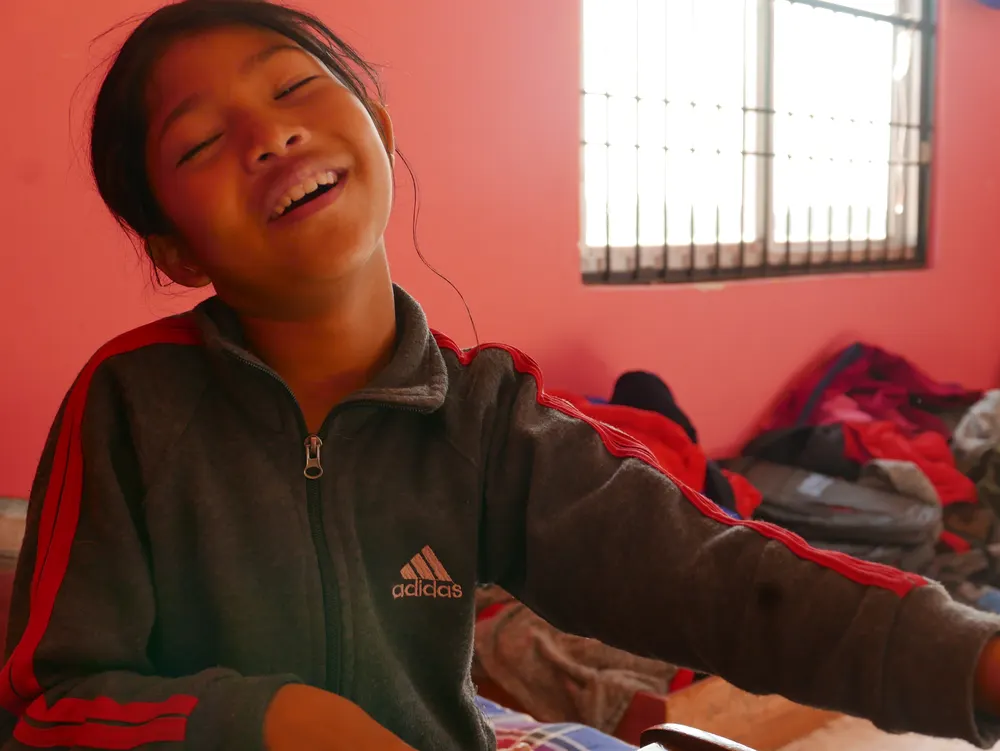
Permaculture workshops
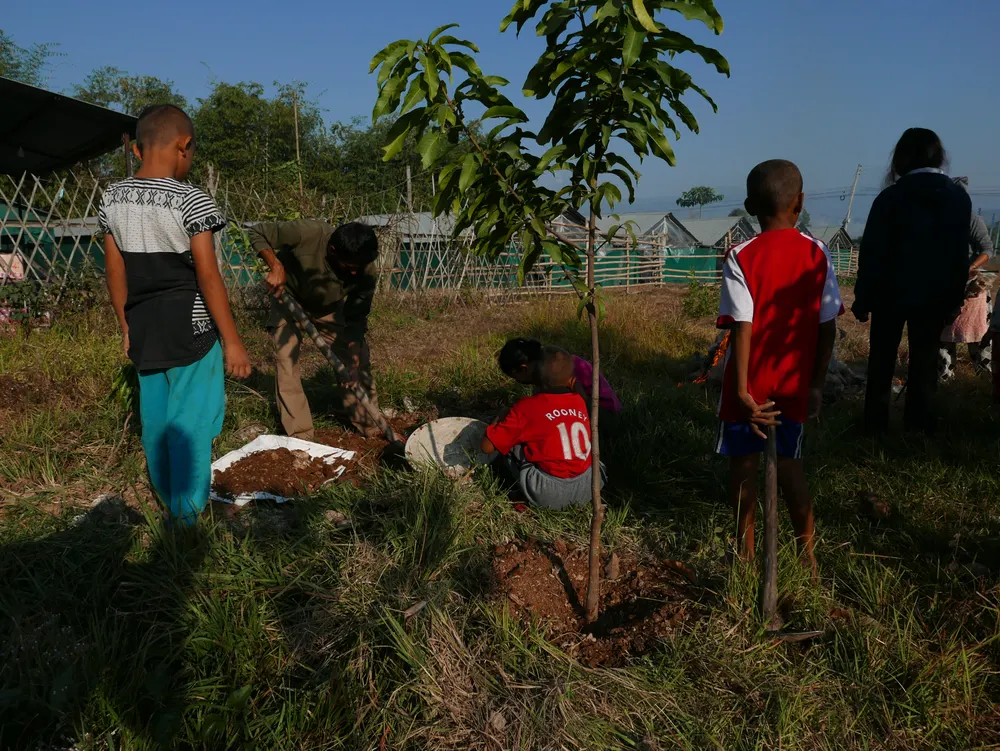
We took them into permaculture and gardening, so they learned to grow what they eat.
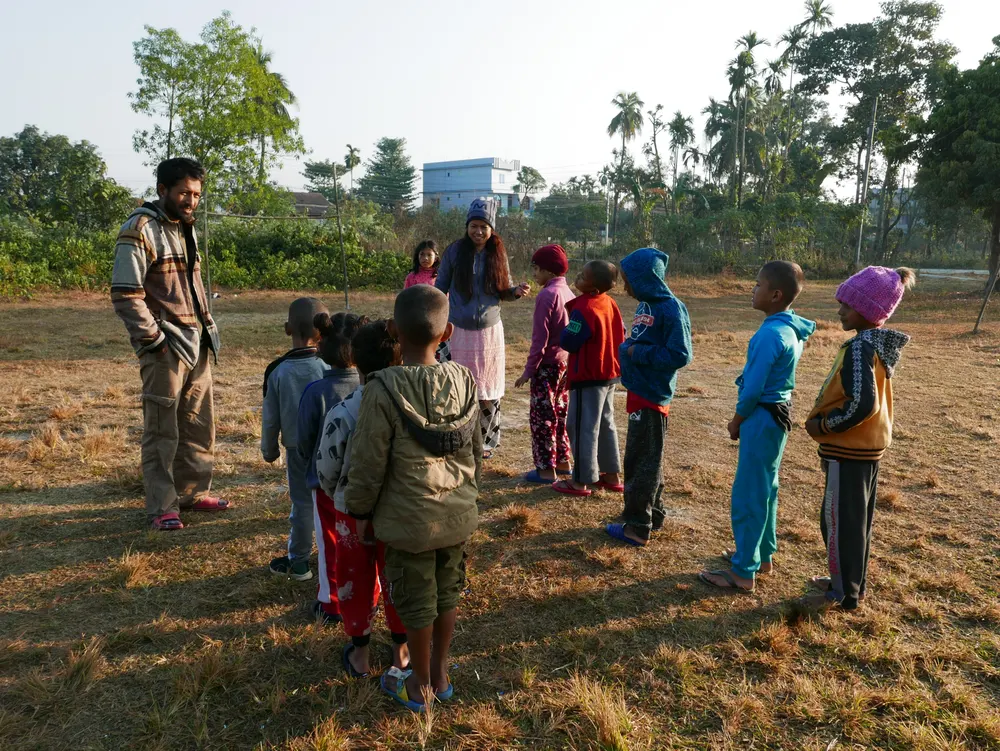
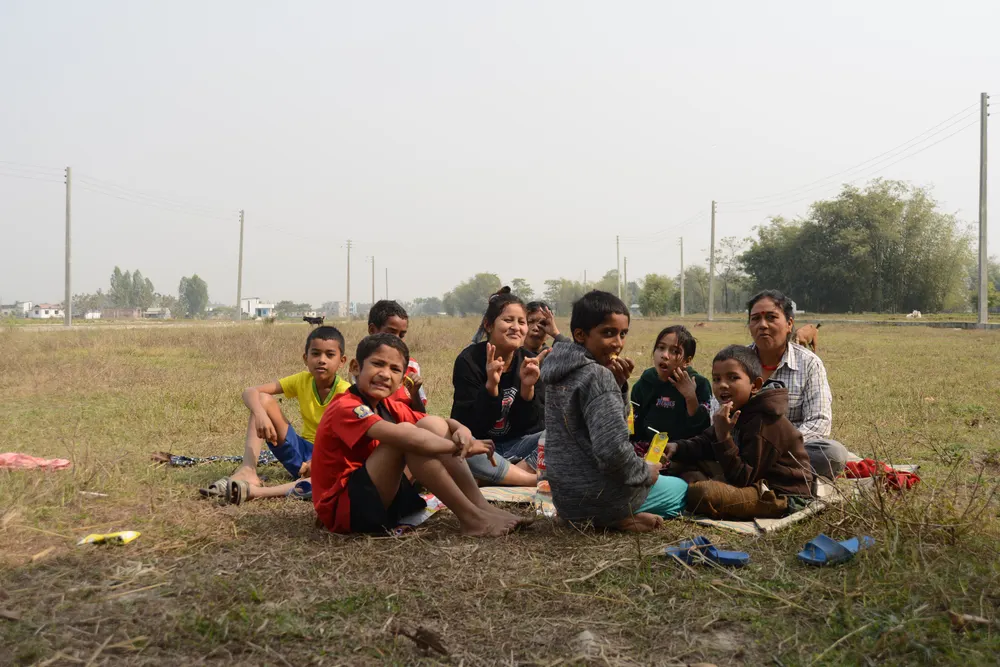
Field trips
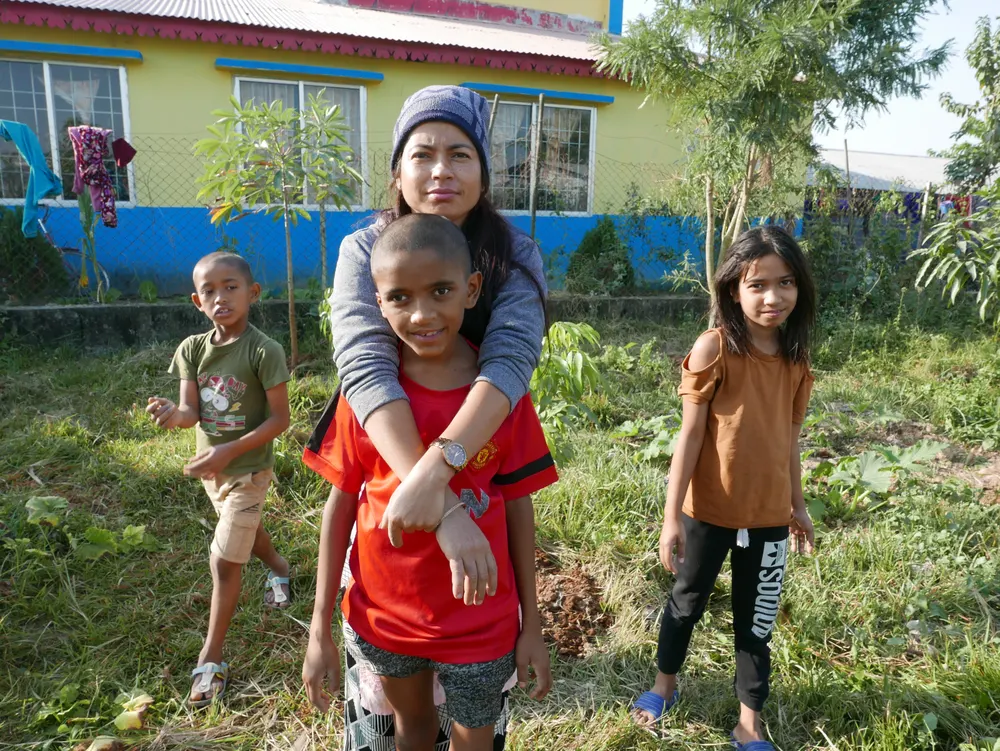
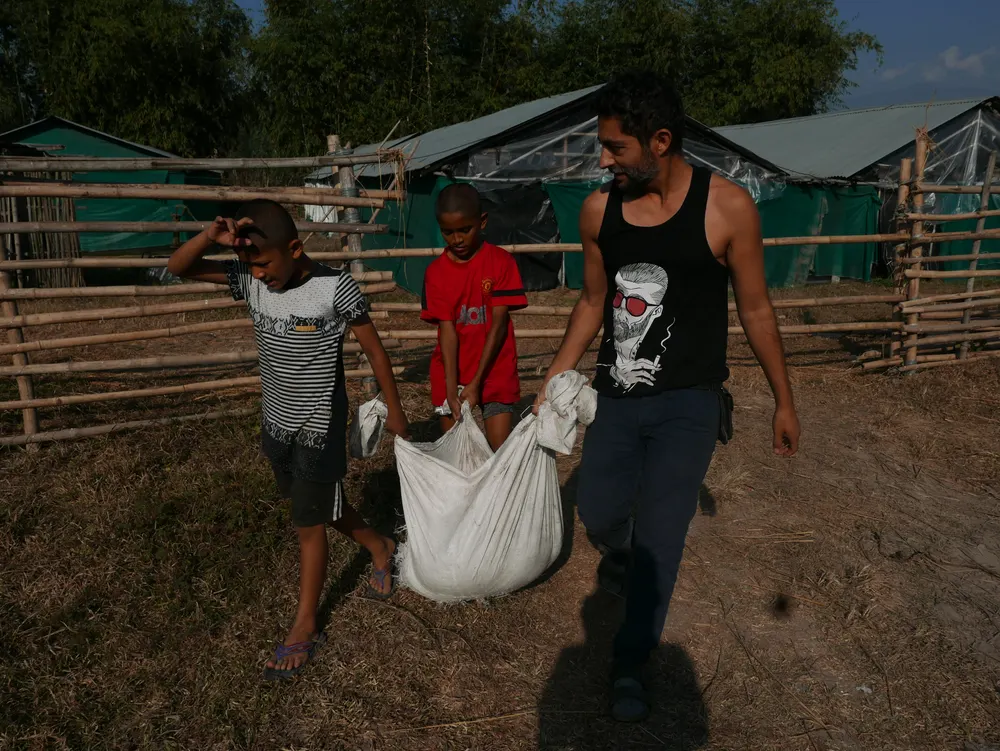
We took them out on field trips, into the world beyond the walls.
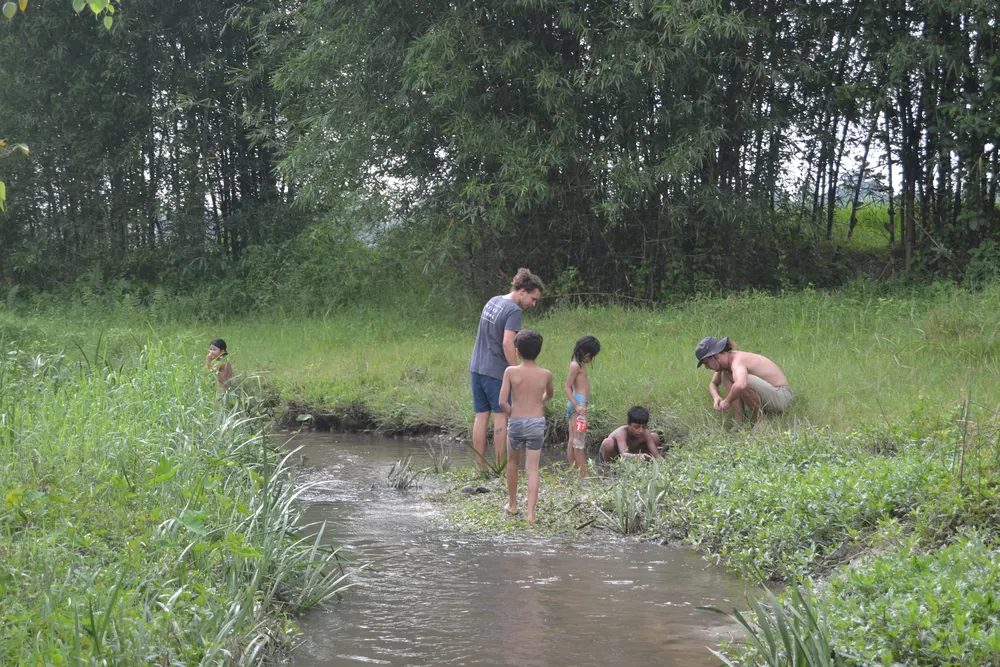
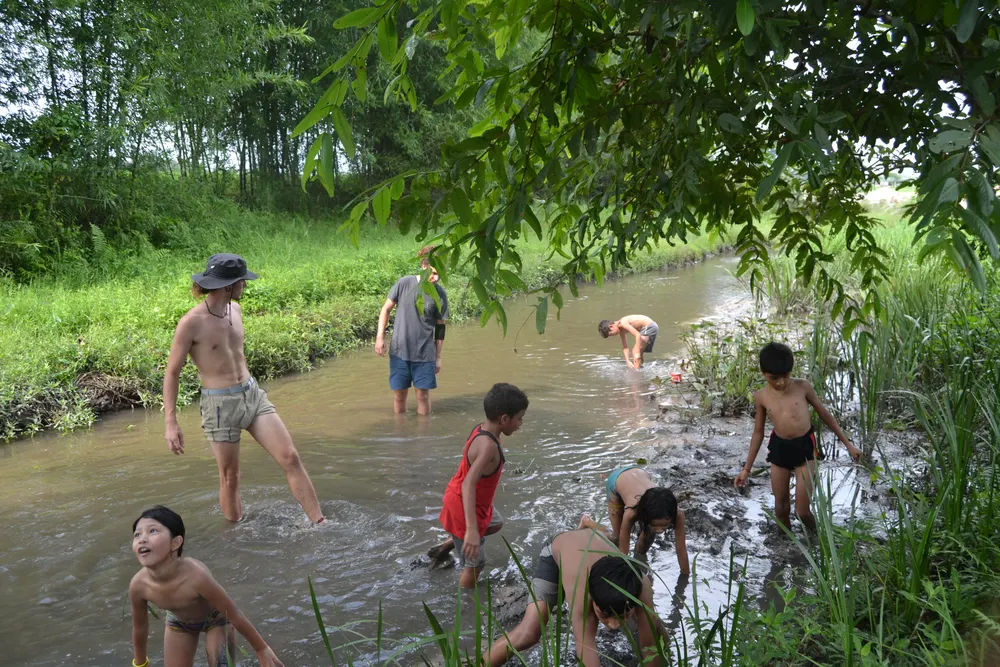
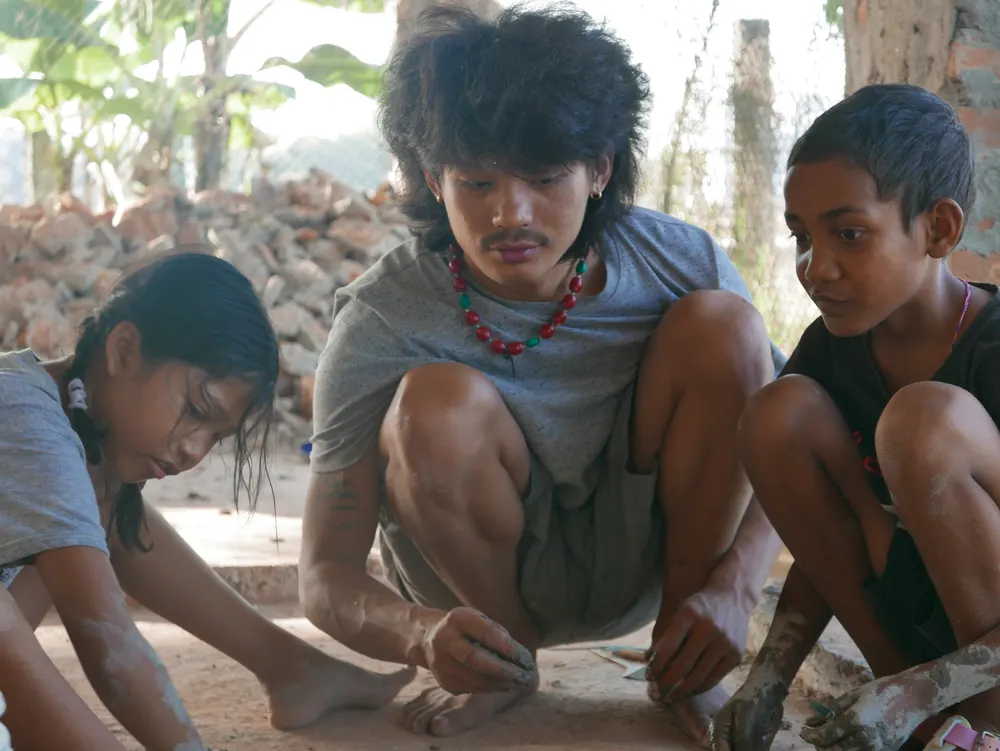
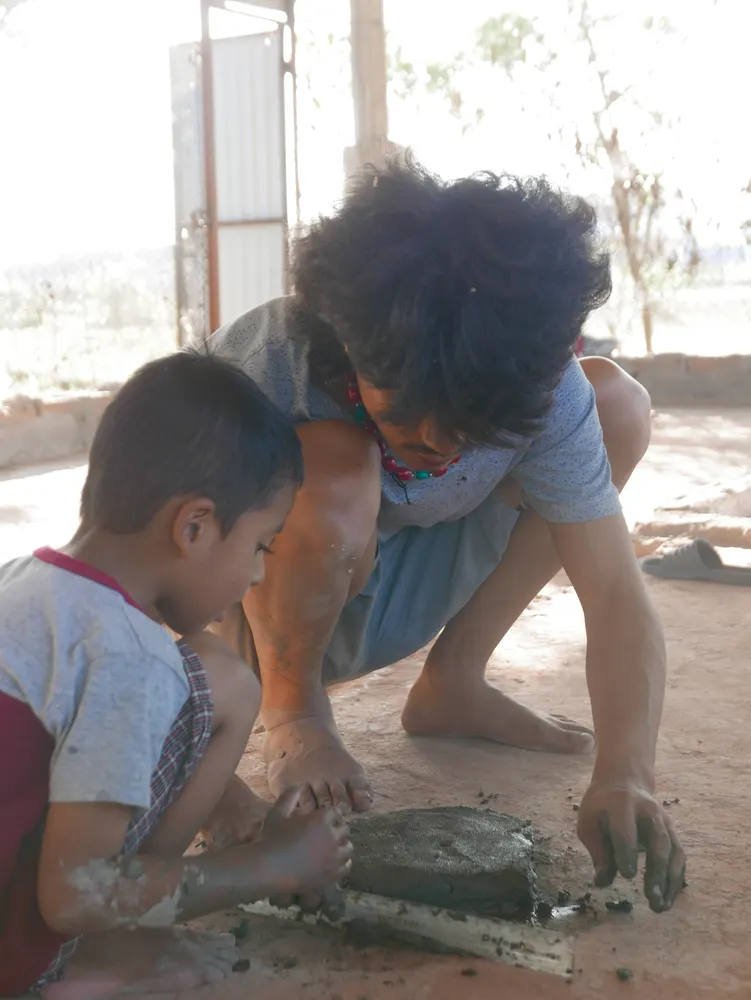
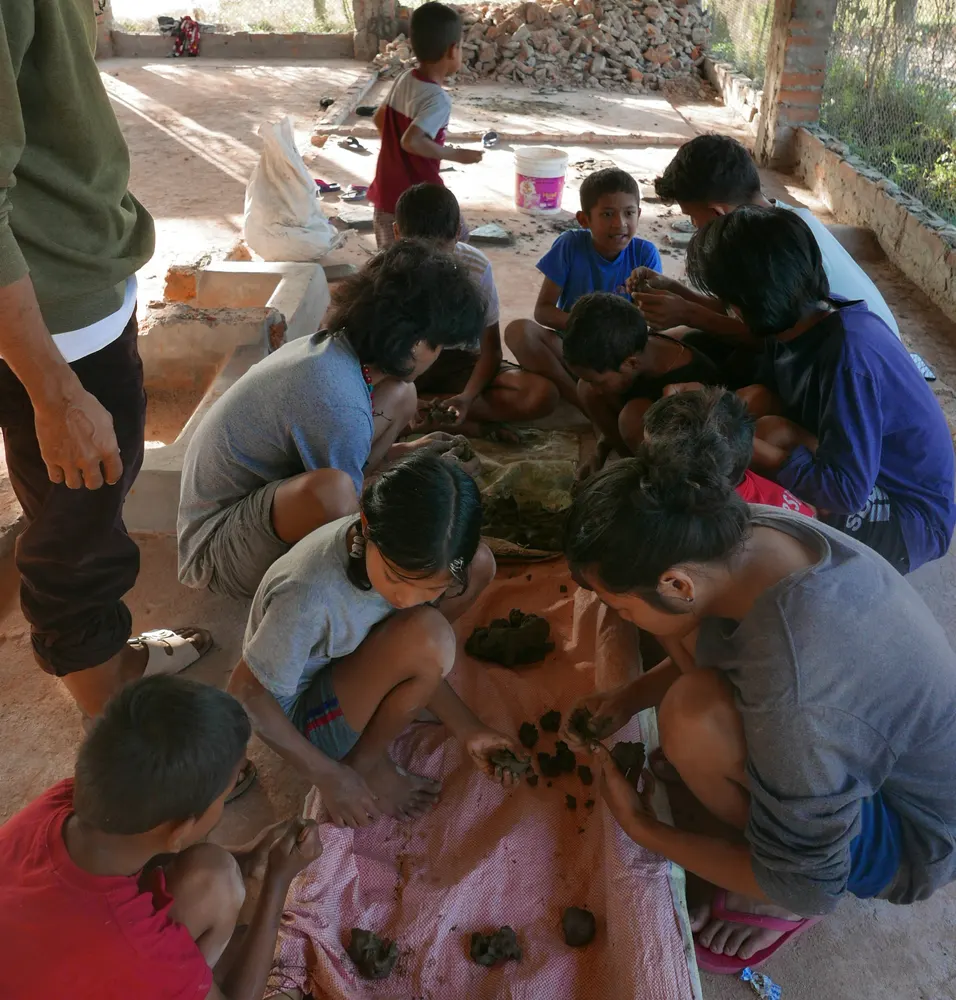
Clay and wood workshops
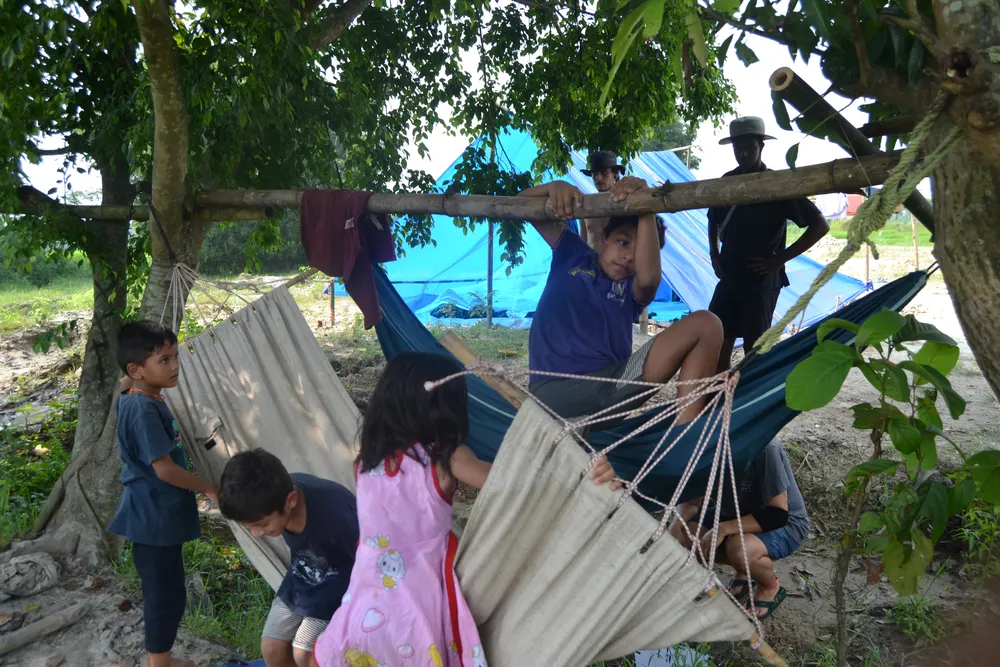
Clay and wood workshops, so their hands learned to make, shape, and mend.
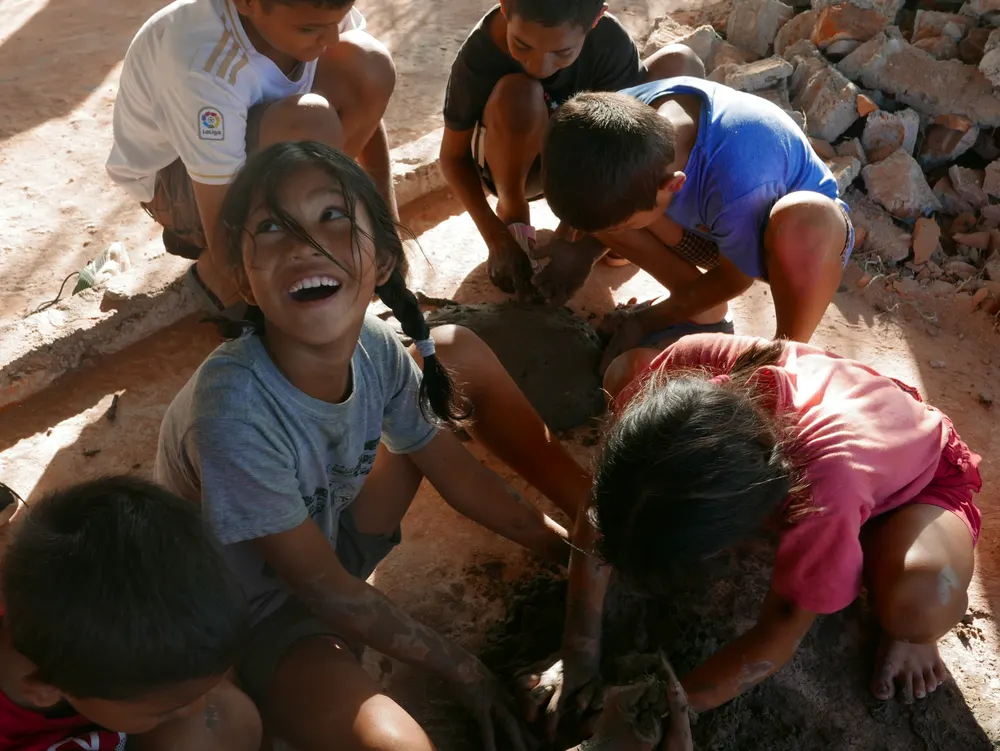
Scout camps
We took them on camps, into nature, into teamwork, into a bigger sense of belonging.
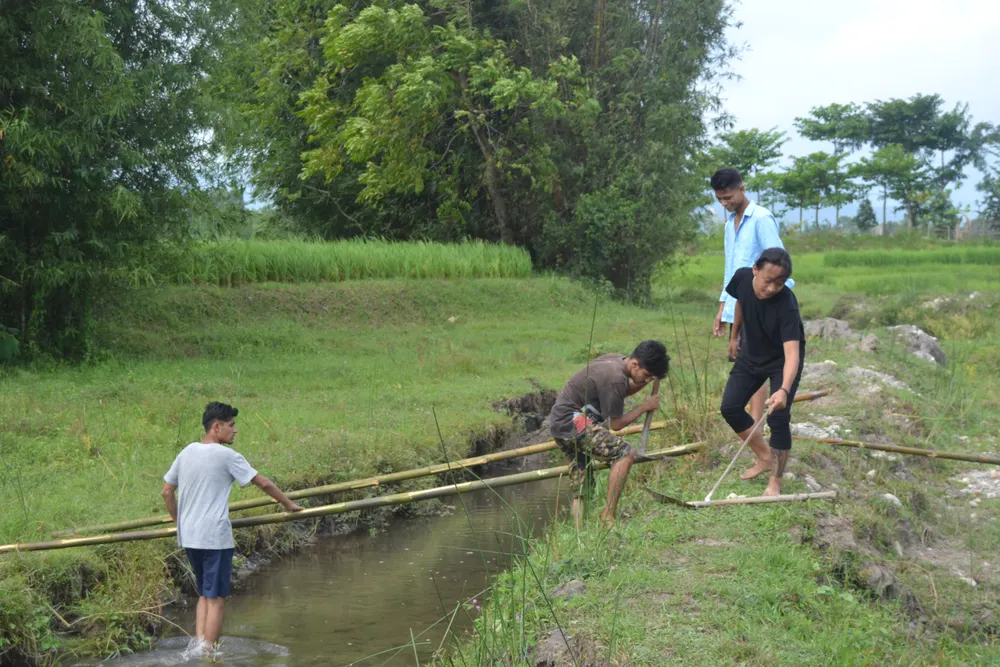
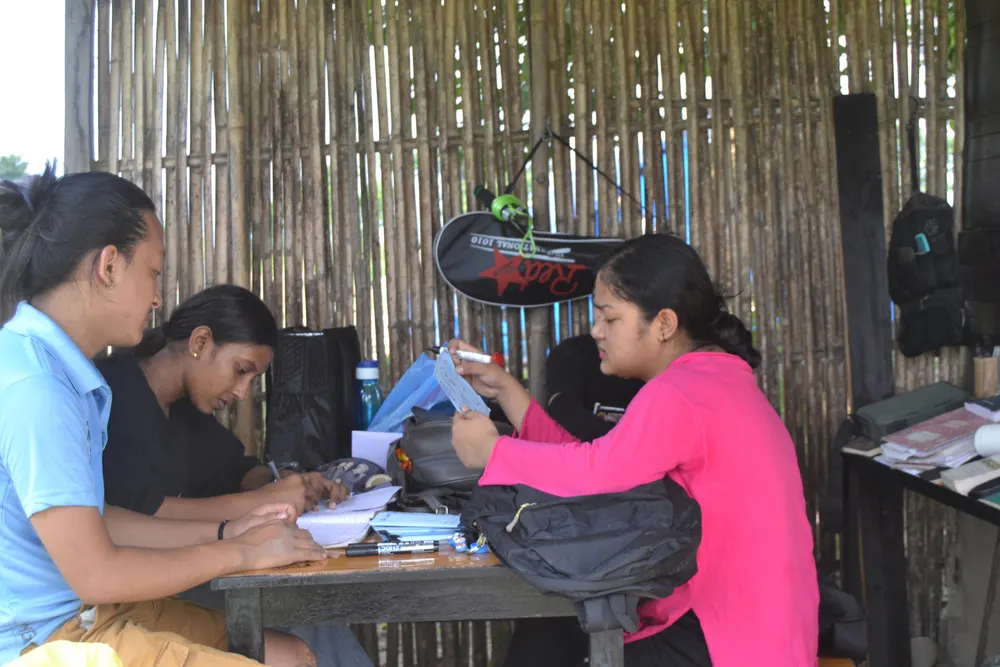
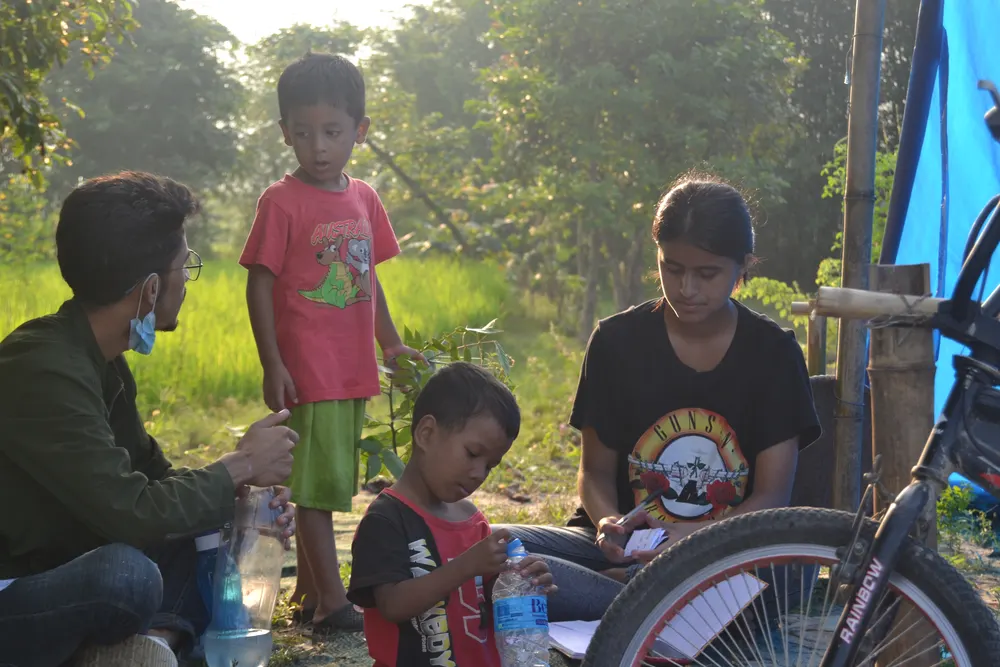
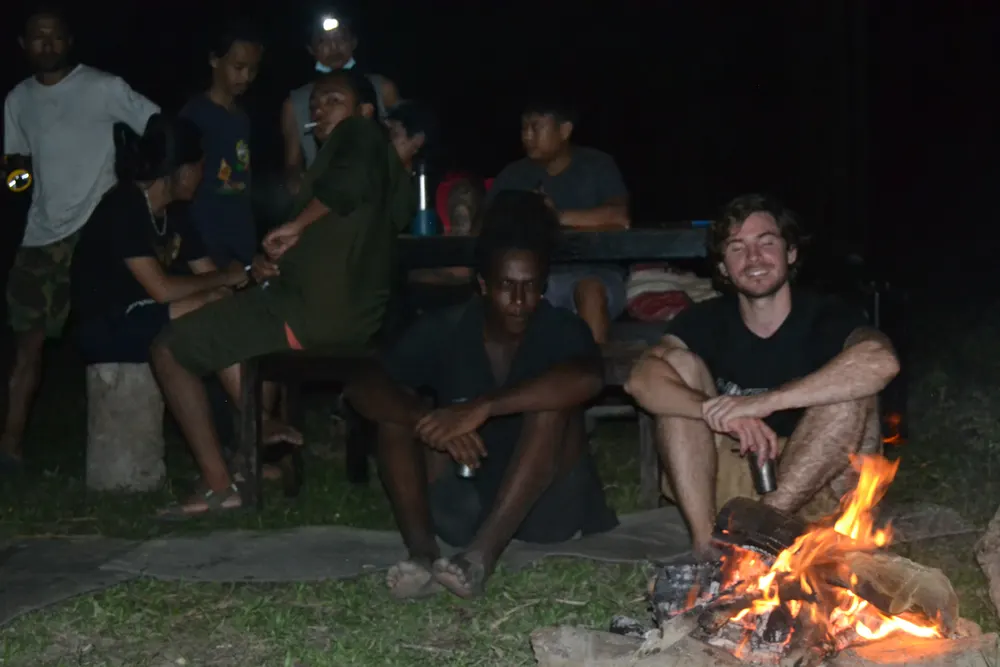
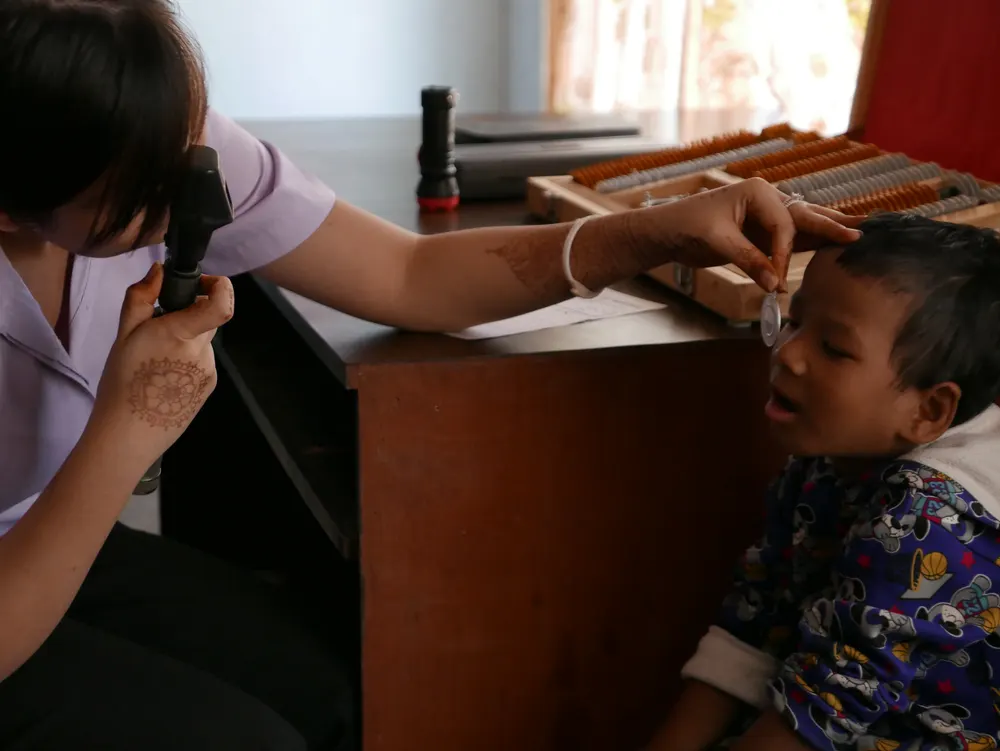
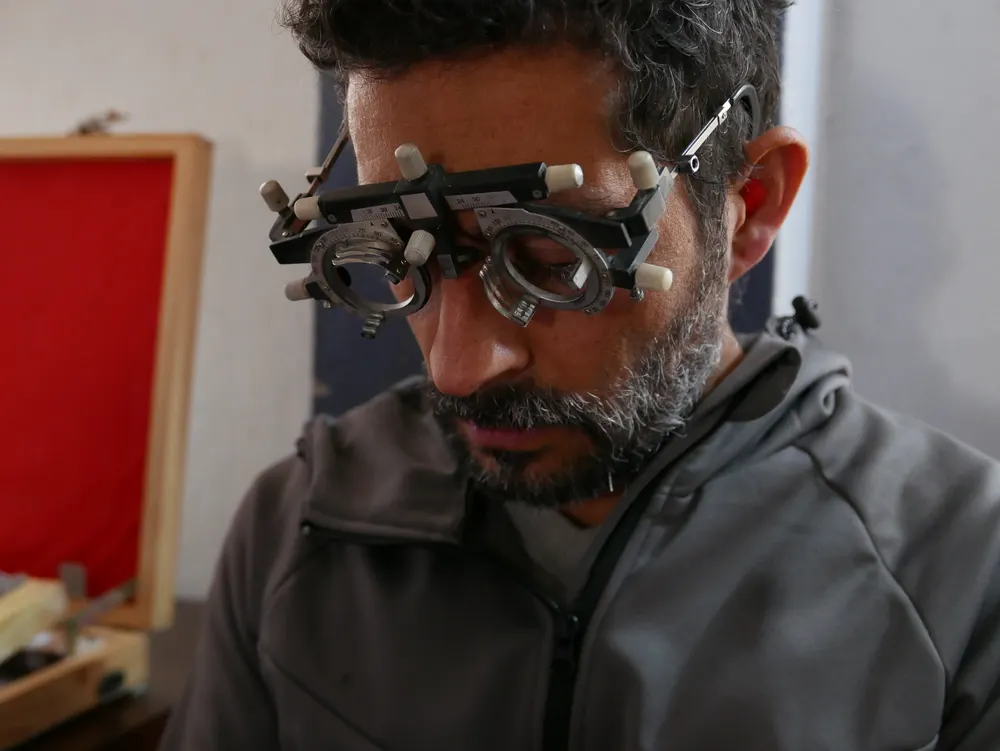
Eye check ups
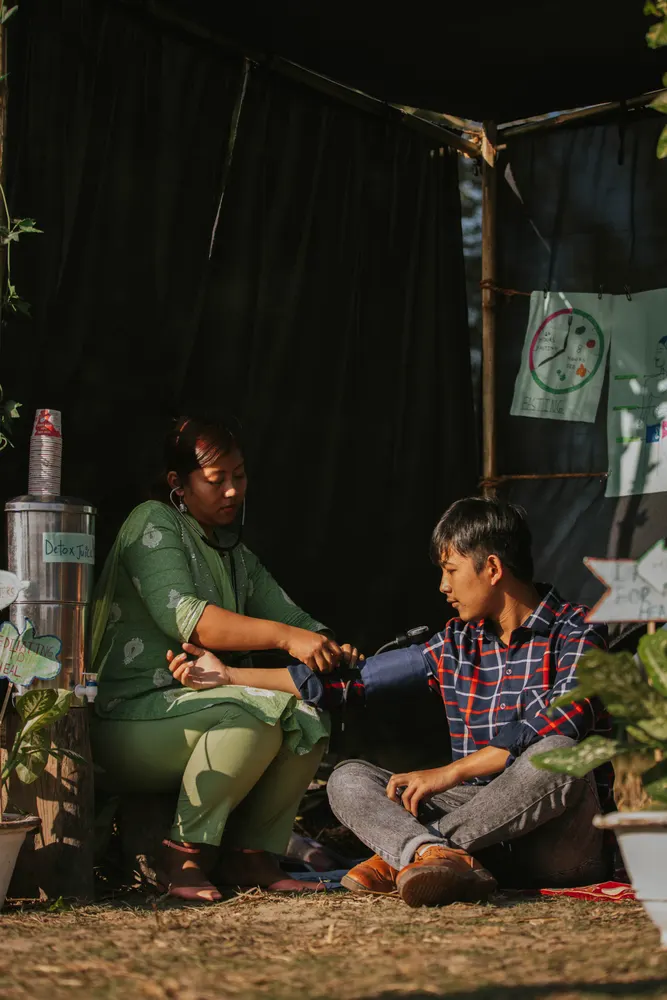
With partner organisations we ran eye check ups and other small projects of care.
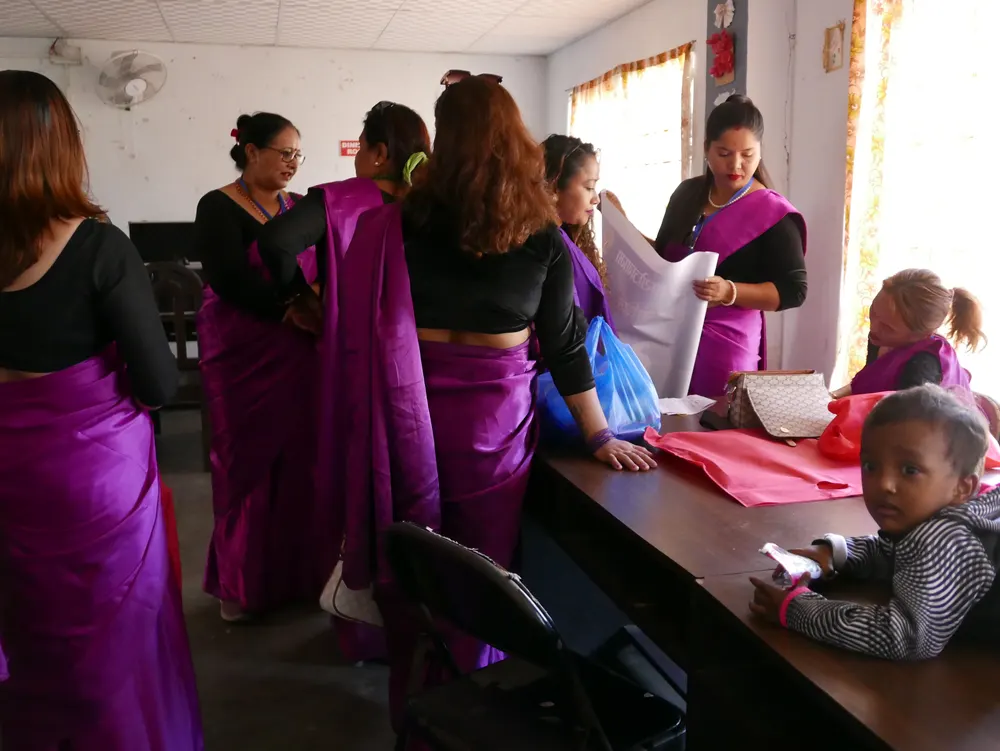
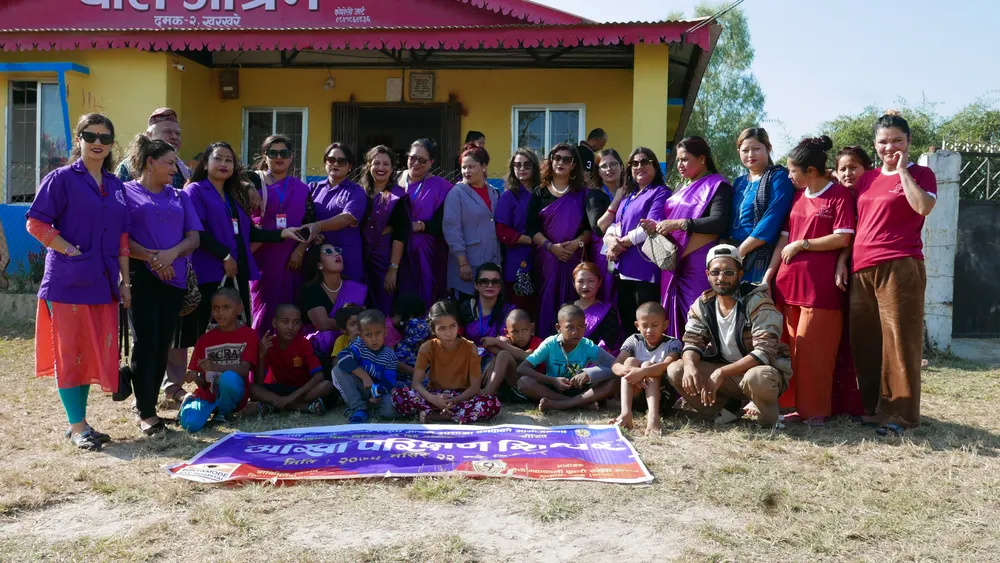
People came to celebrate
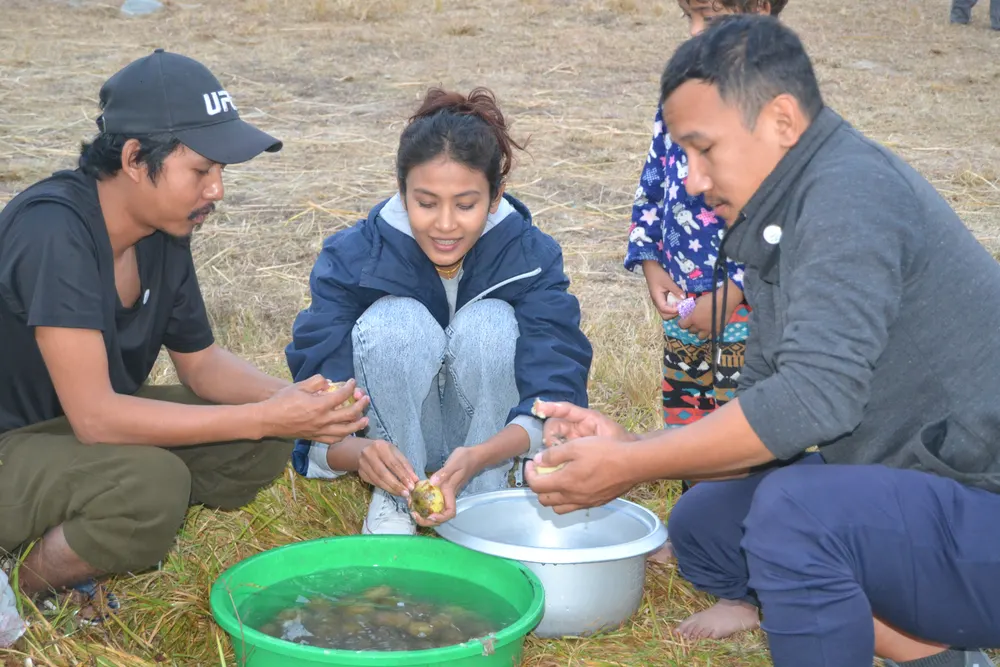
People began coming to celebrate together with us. The work had become a community.
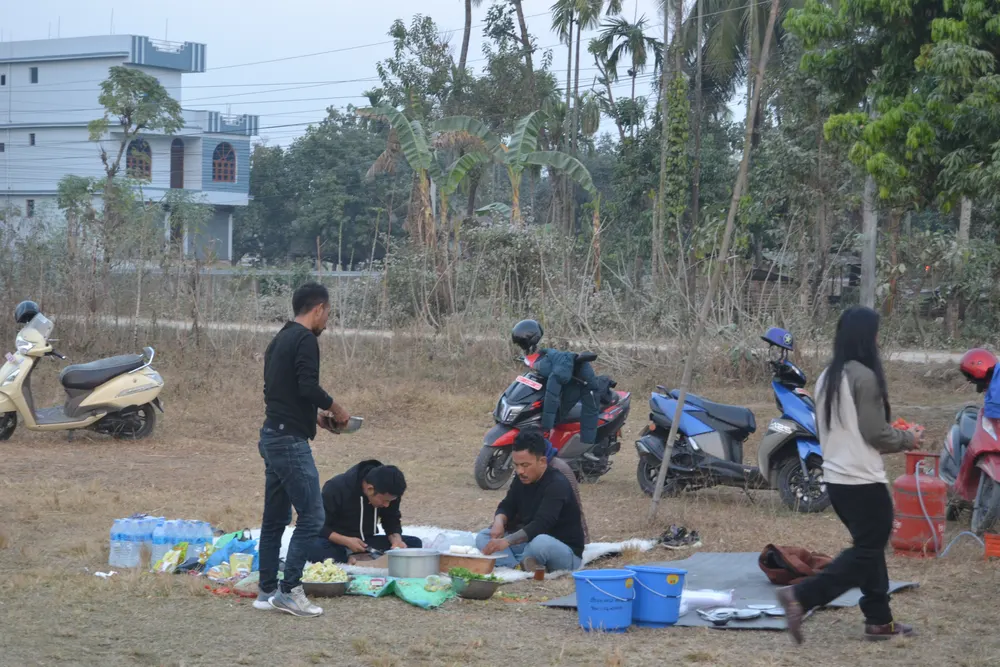
Life was fun
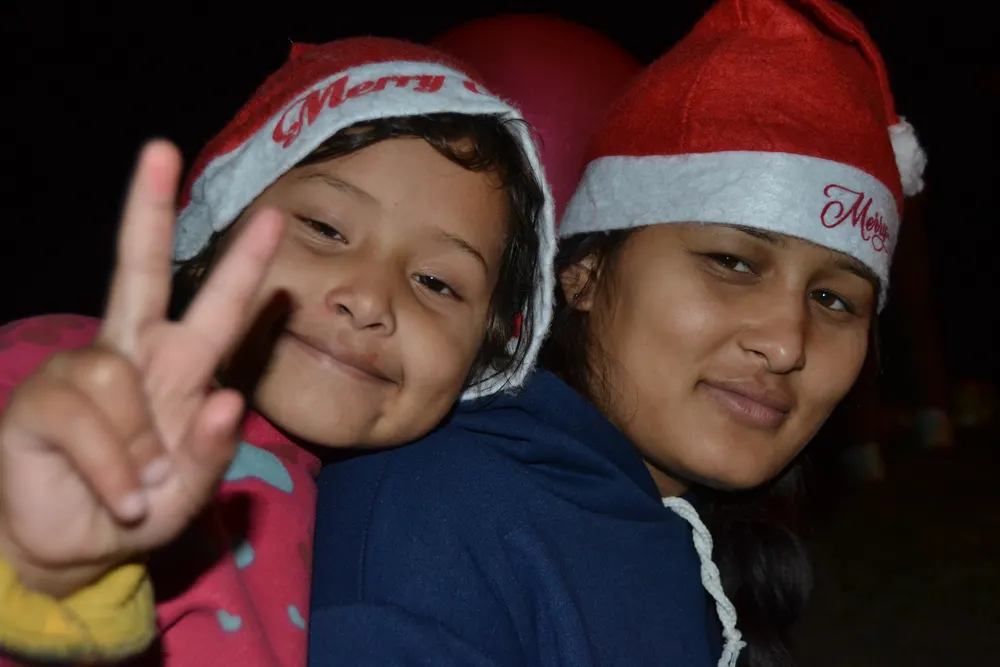
And in between all of it, life was simply fun. That mattered as much as anything.
Free music sessions
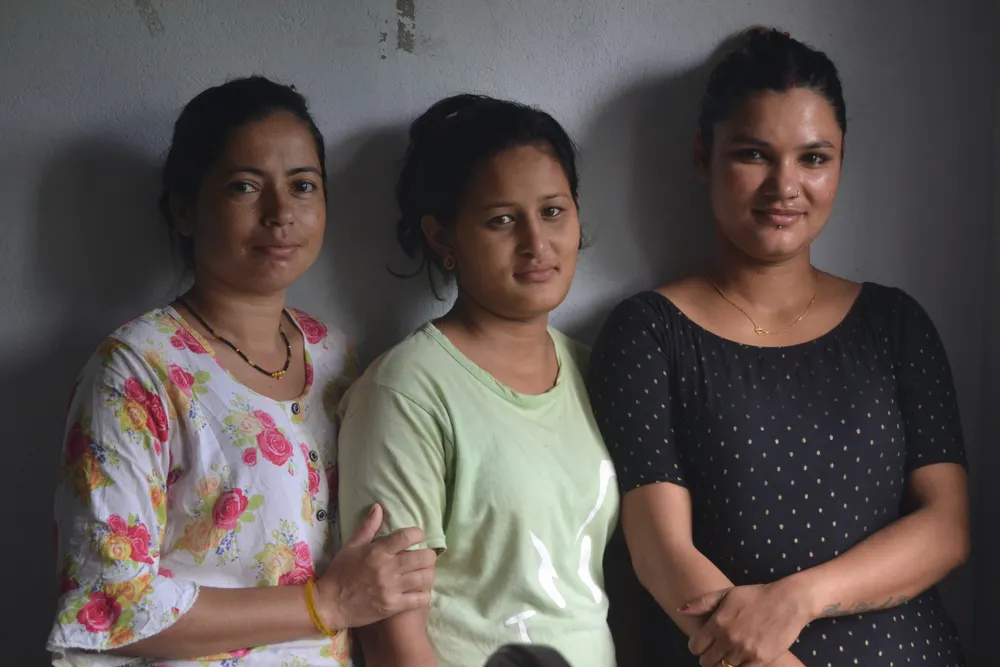
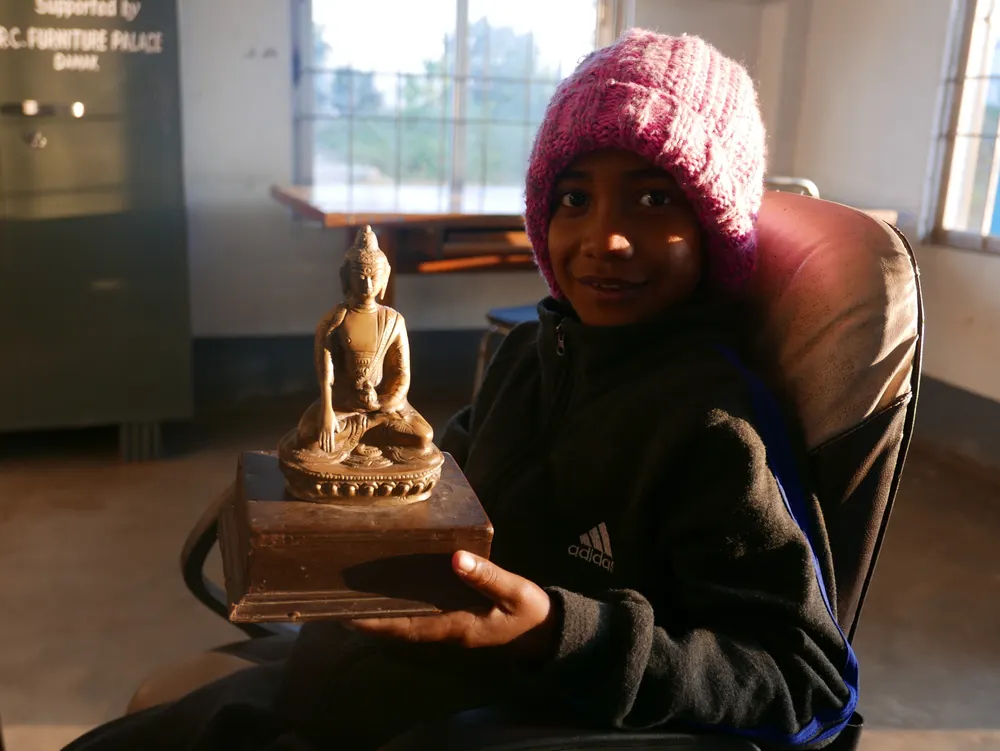
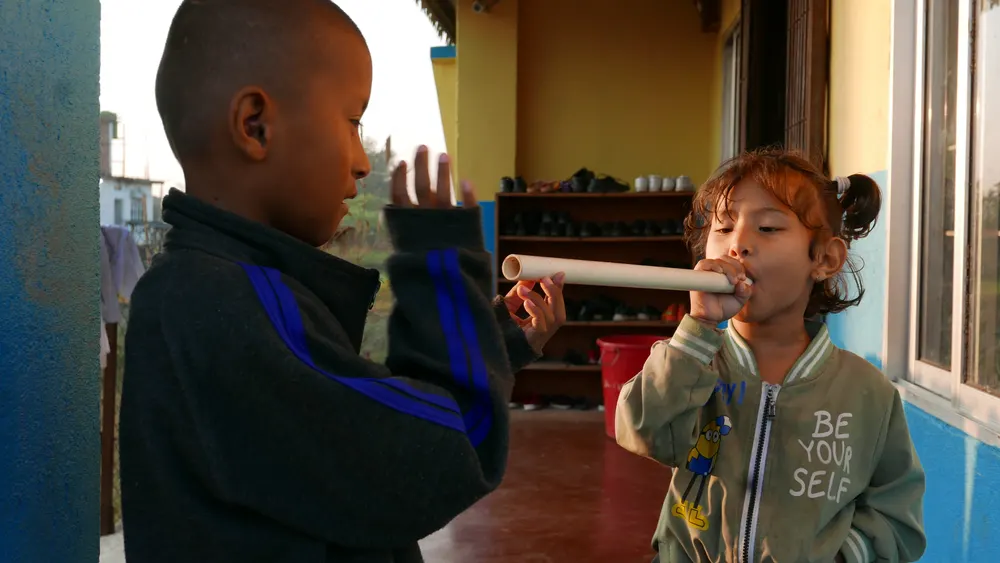
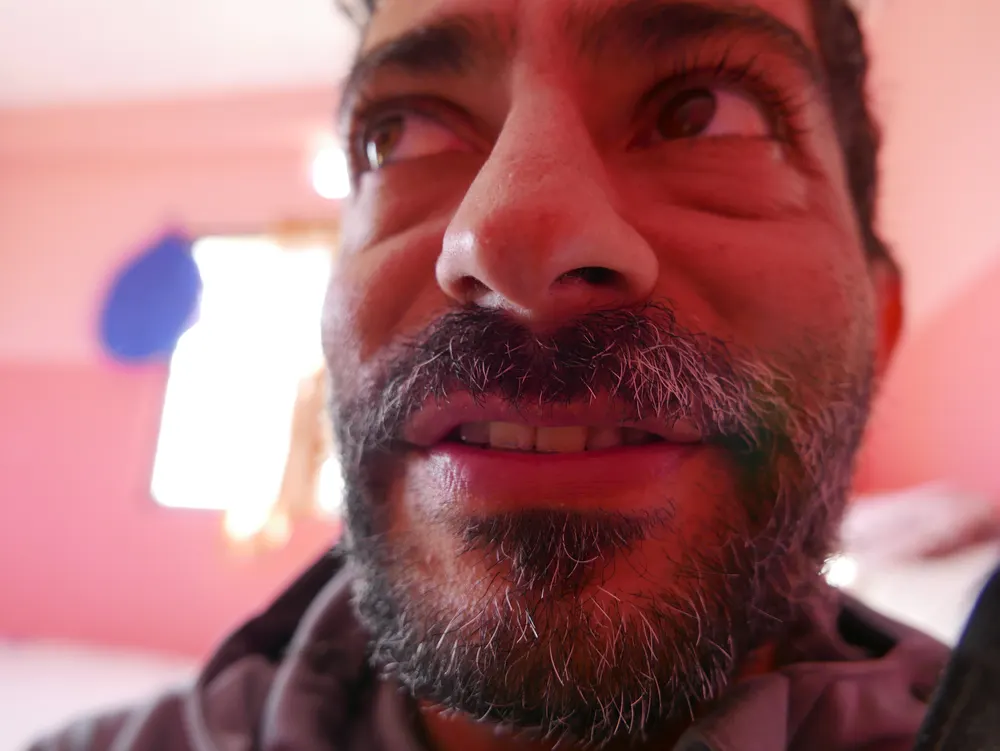
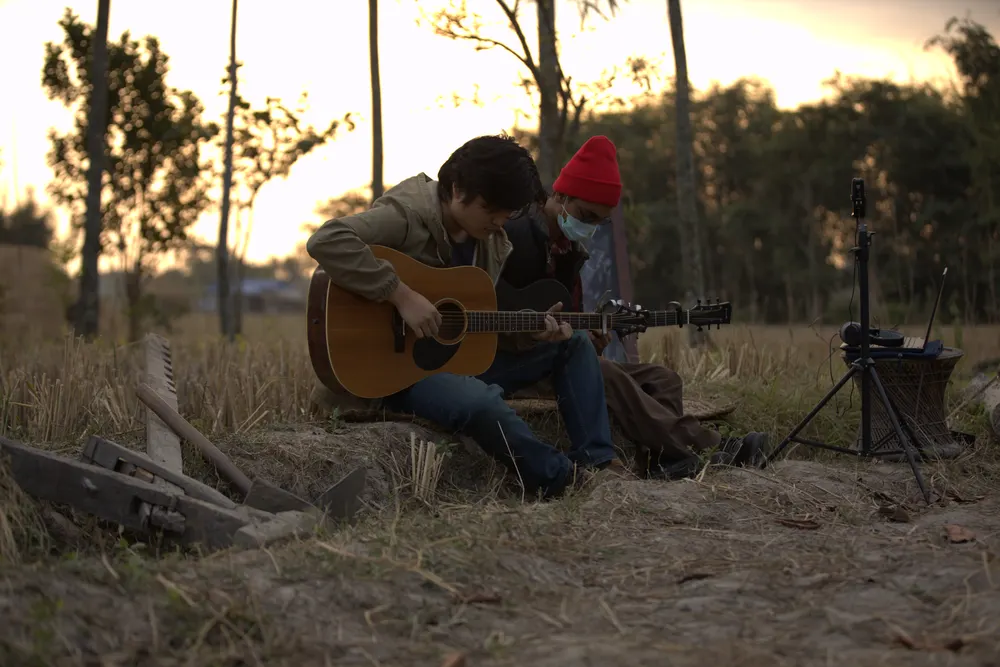
We organised free music sessions, open to anyone, where sound brought strangers together.
The Joon Camping Festival
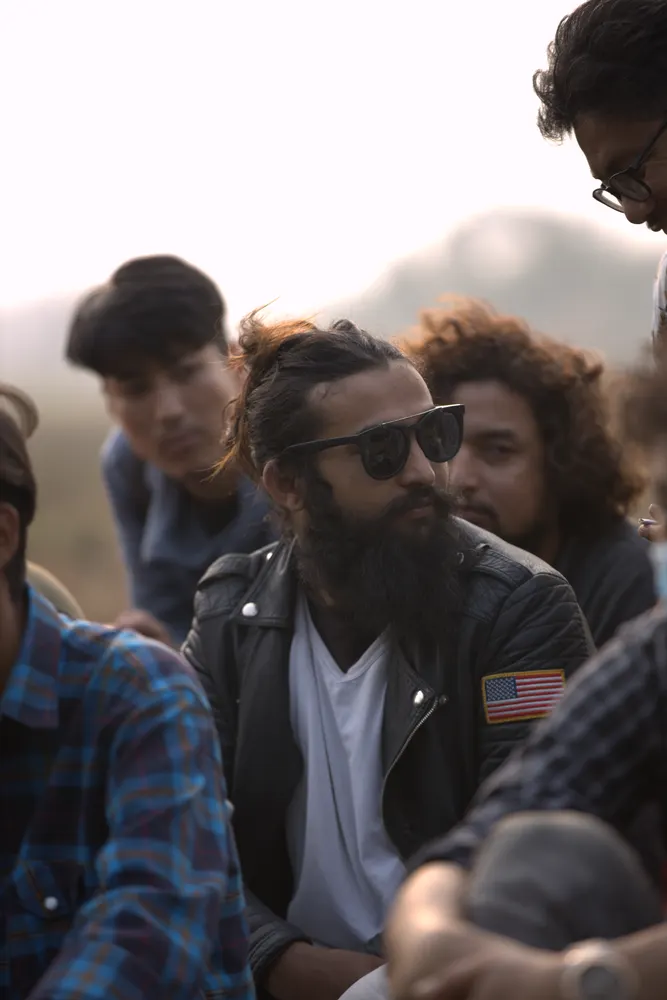
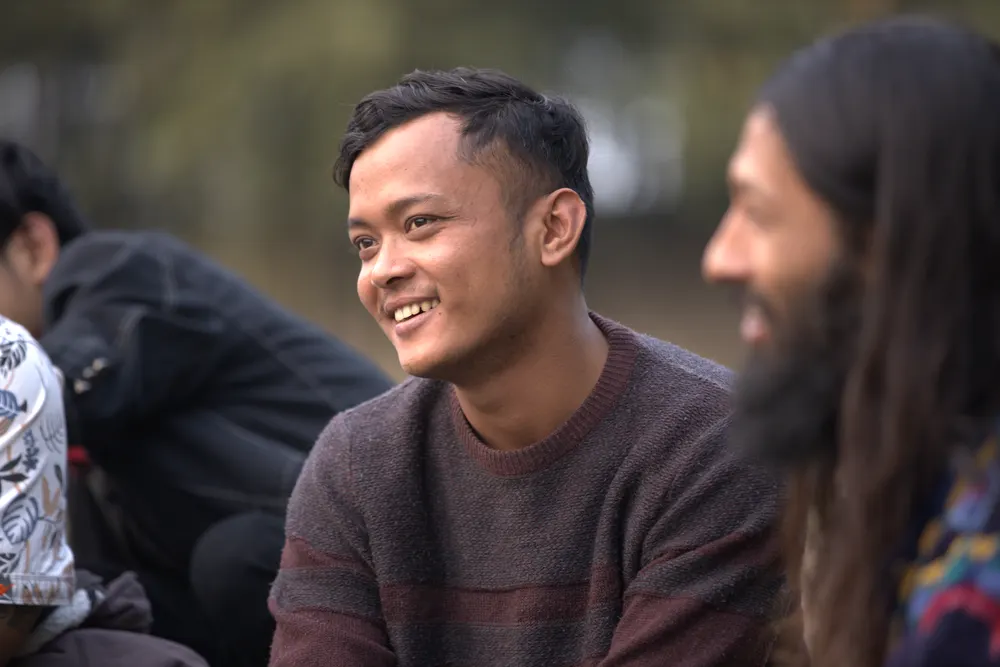
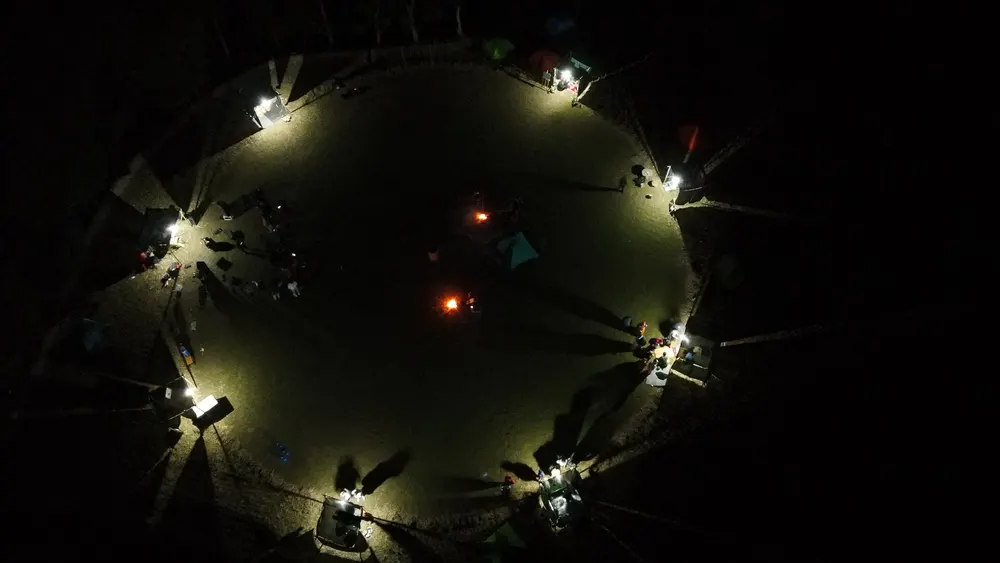
We organised the Joon Camping Festival, days and nights of music, fire, food, and gathering.
Purba Art Fair
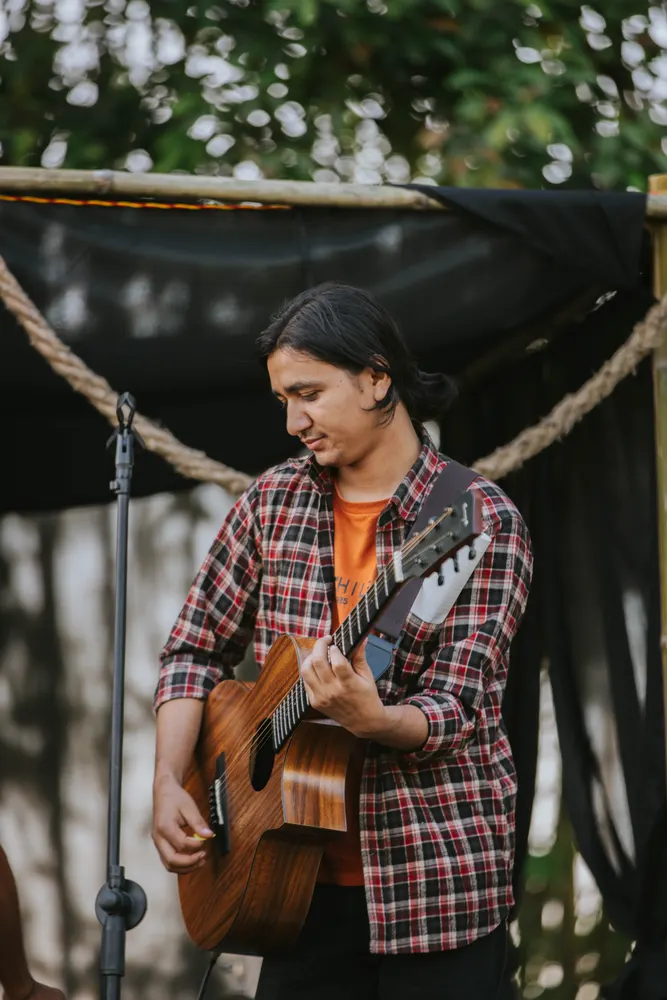
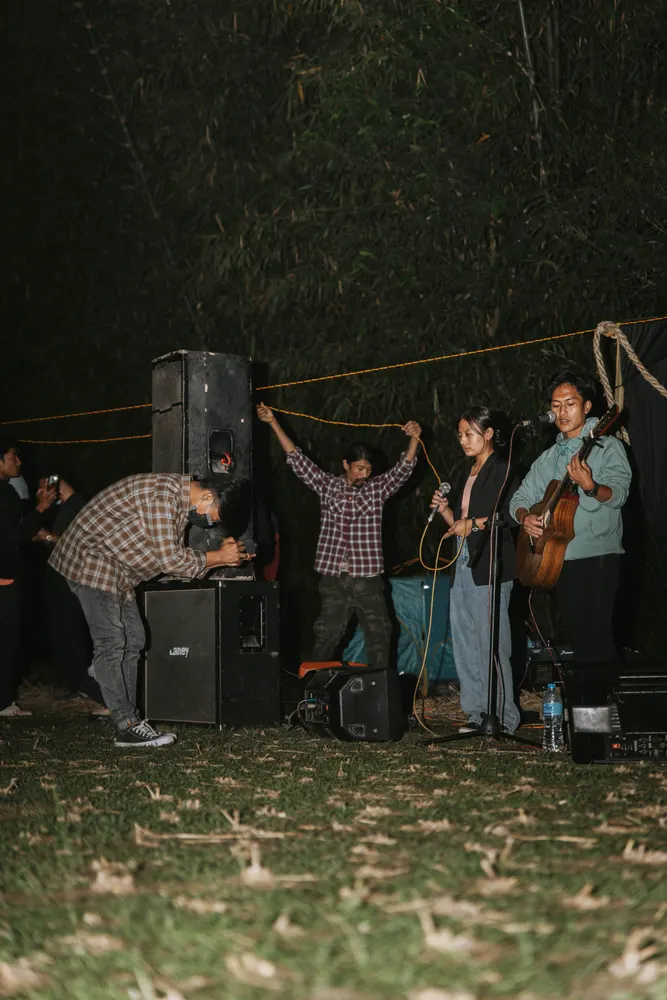
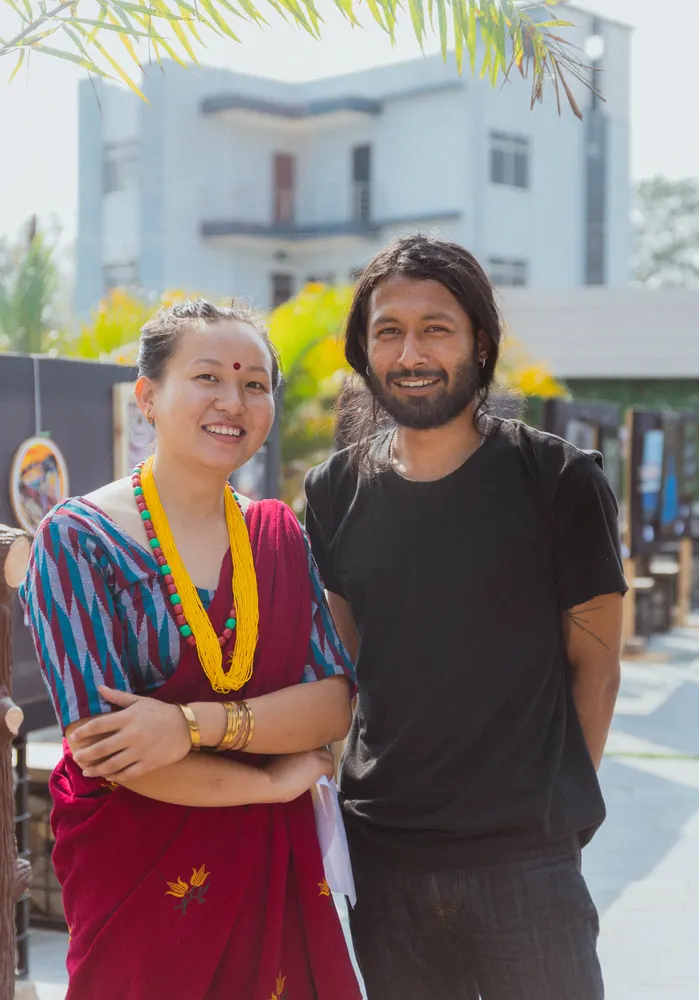
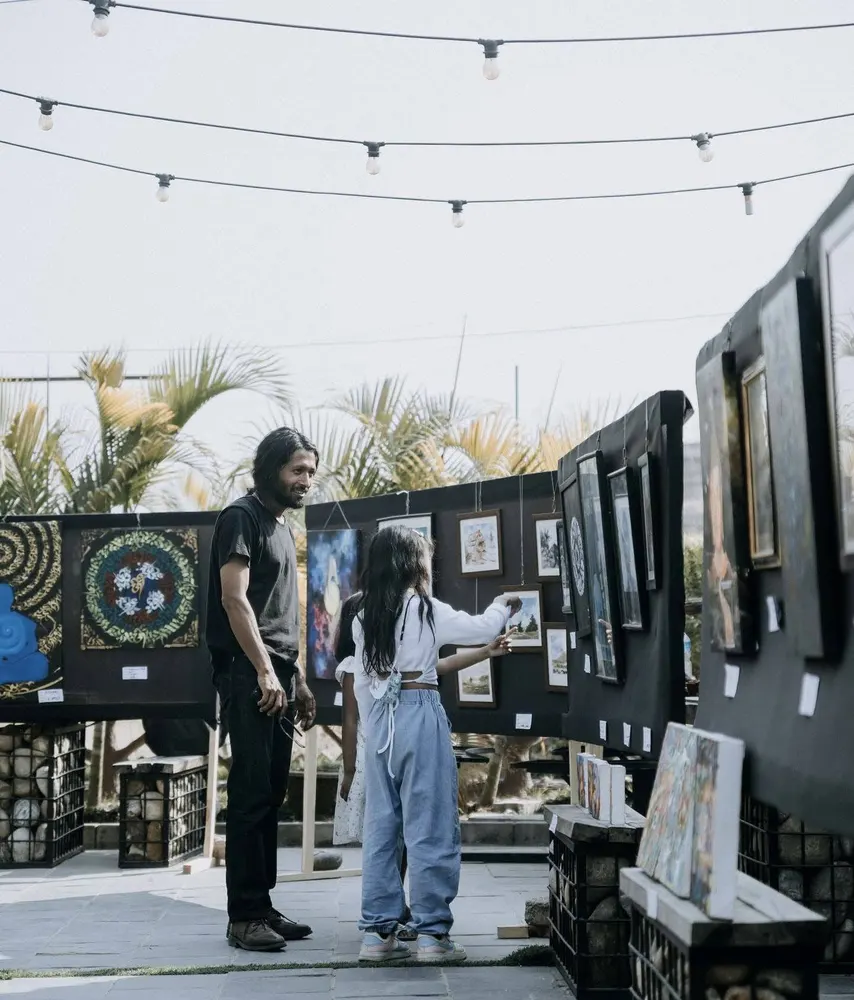
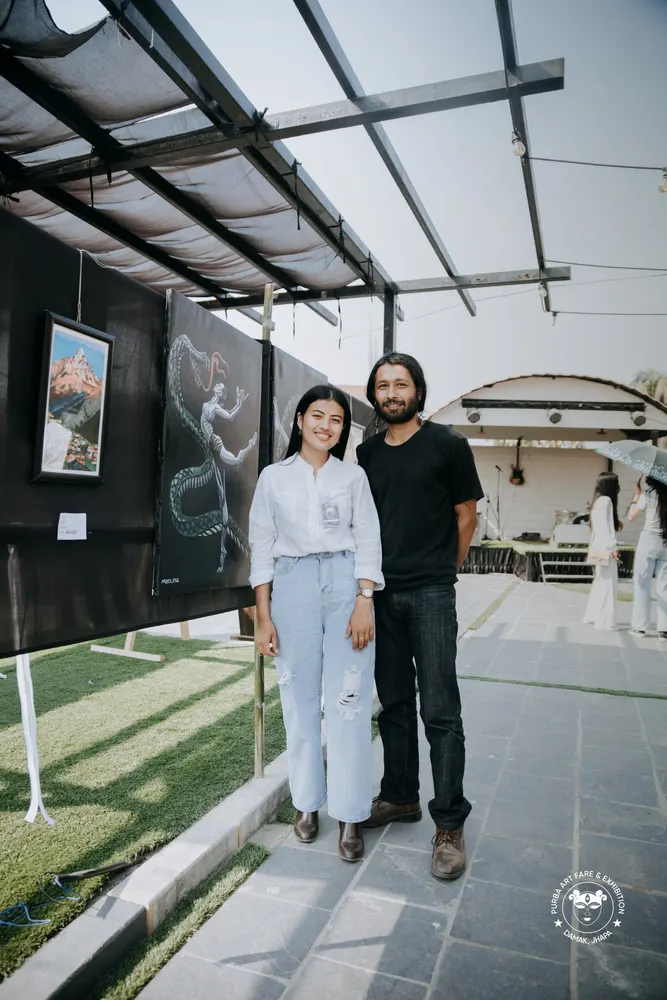
We collaborated with the Purba Art Fair and Exhibition for two seasons, building it on the Hunate philosophy.
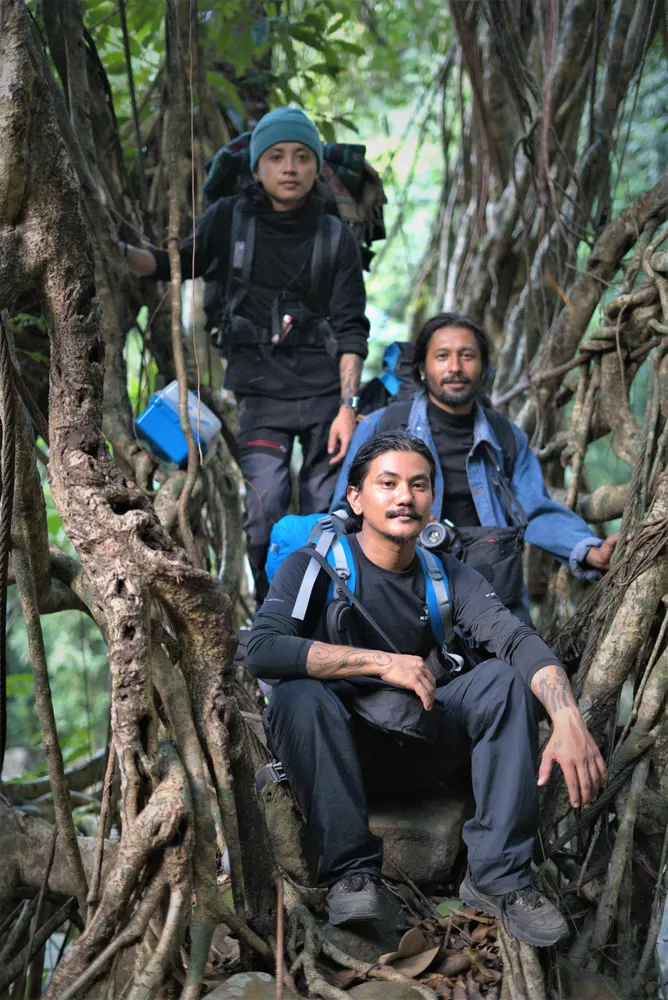
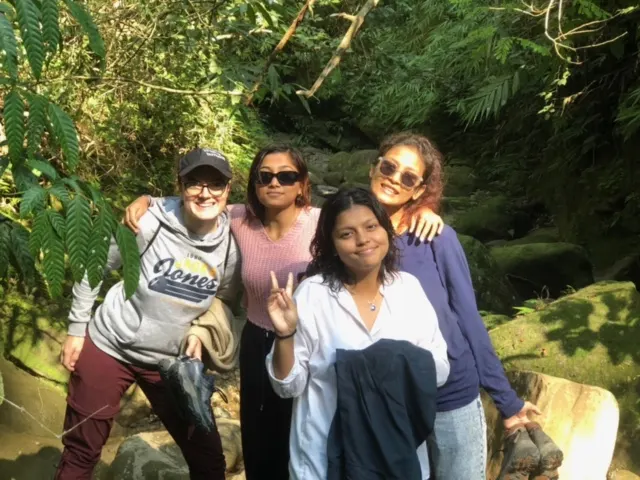
Land of green water
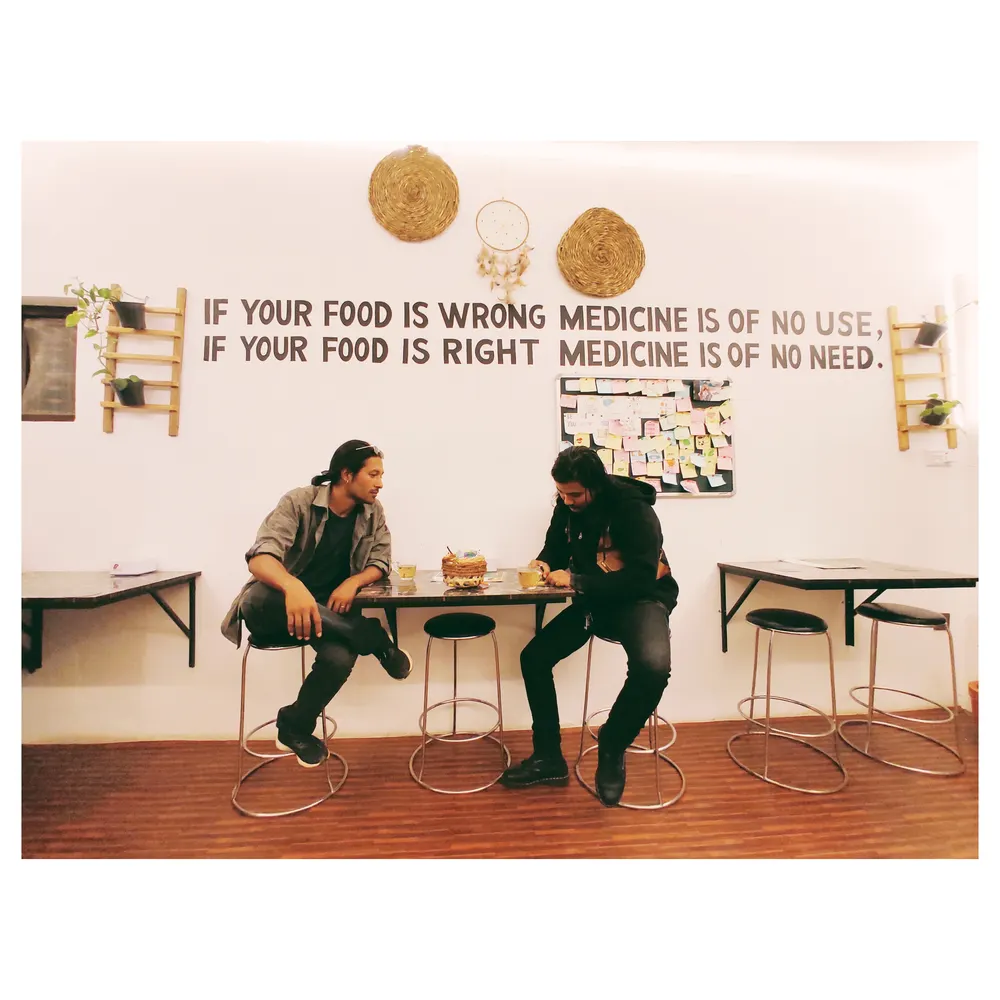
To Meghalaya with friends, the land of green water and living root bridges.
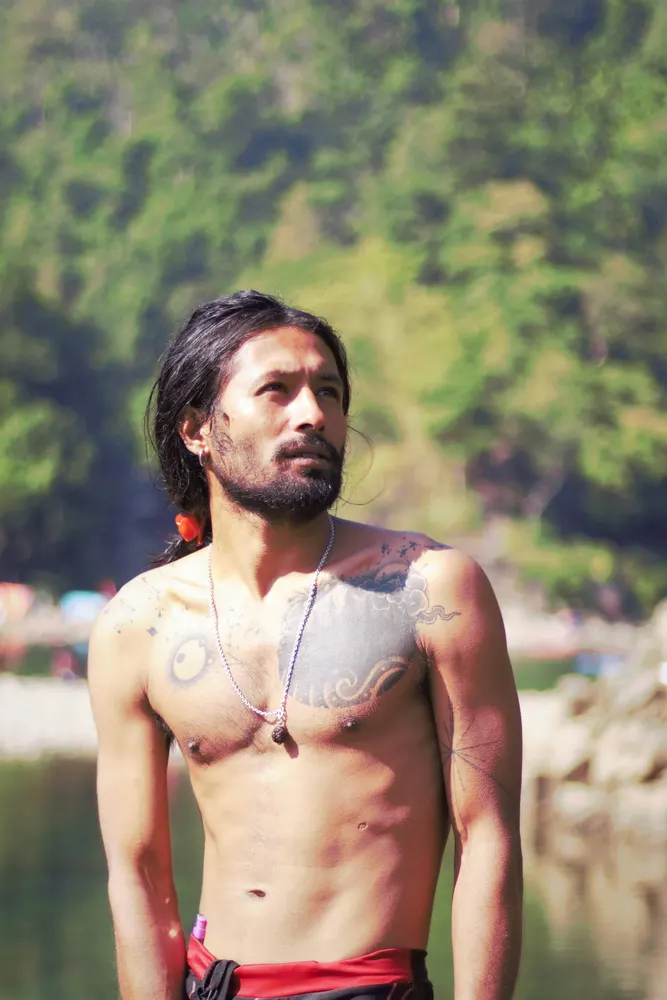
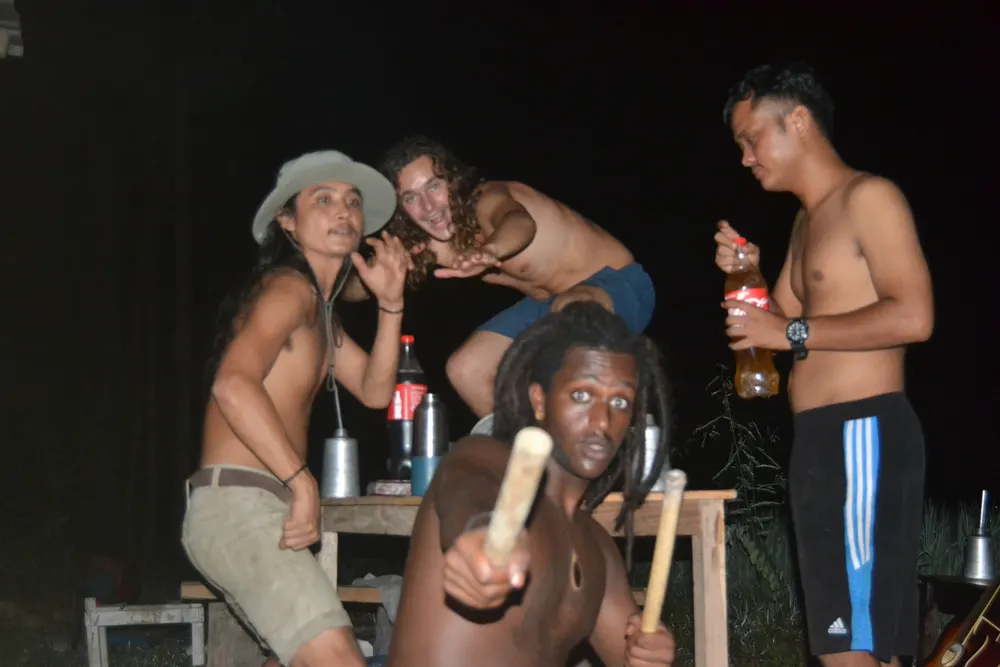
We party, we live happy
We worked hard and we celebrated hard. Joy is part of the design, not a distraction from it.
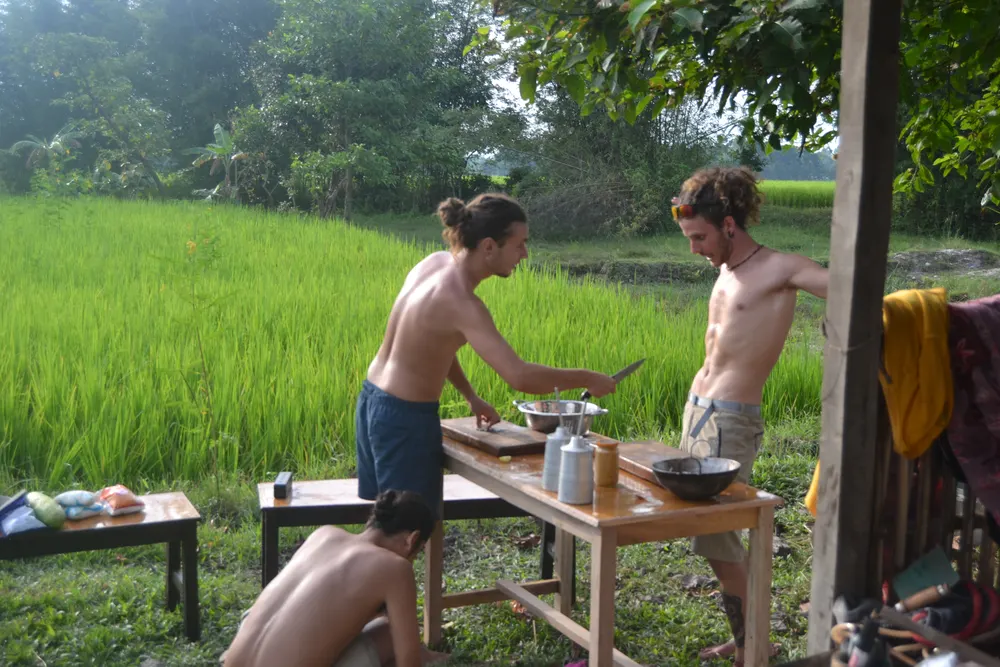
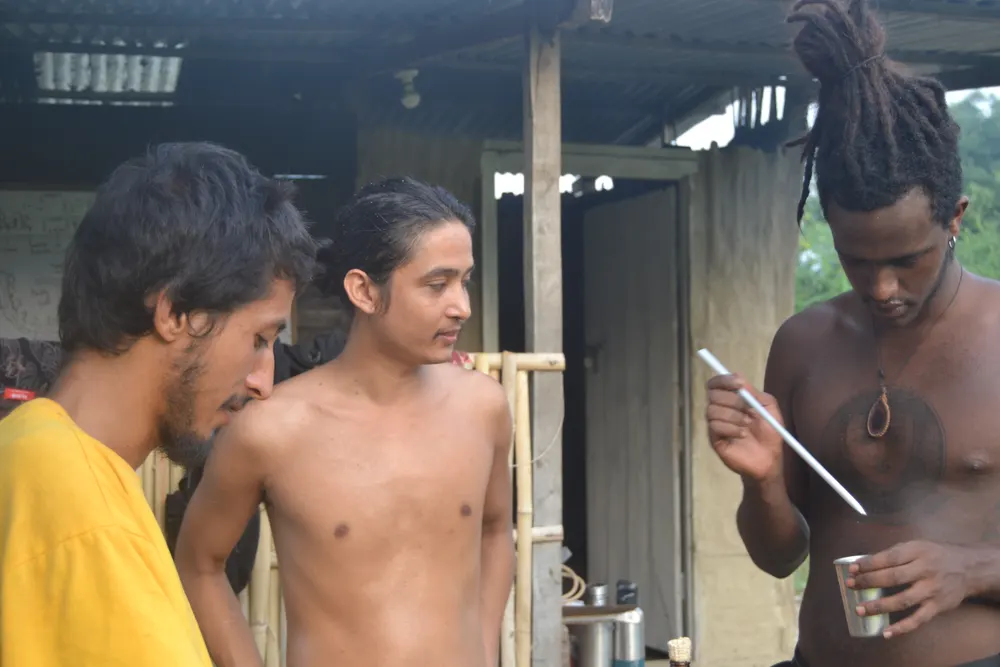
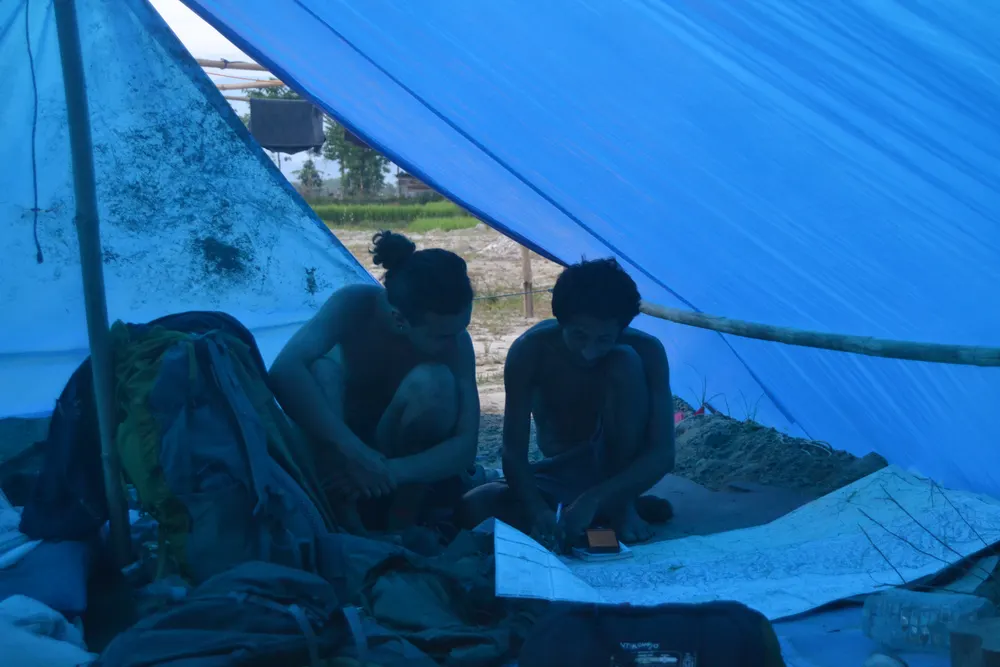
We hike around
We hiked the hills around us, because the land is the best teacher we have.
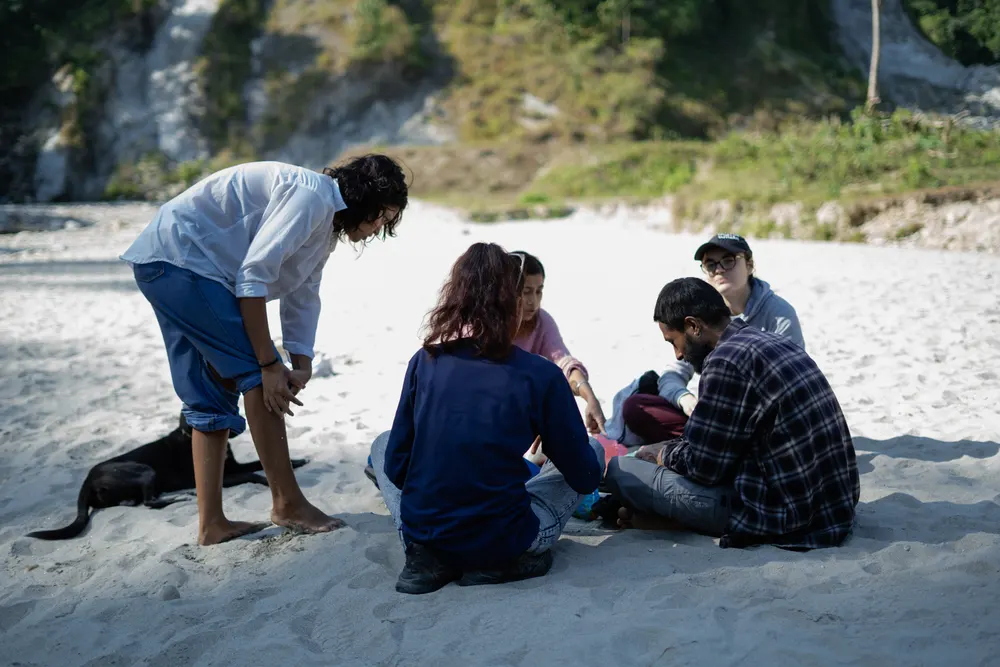
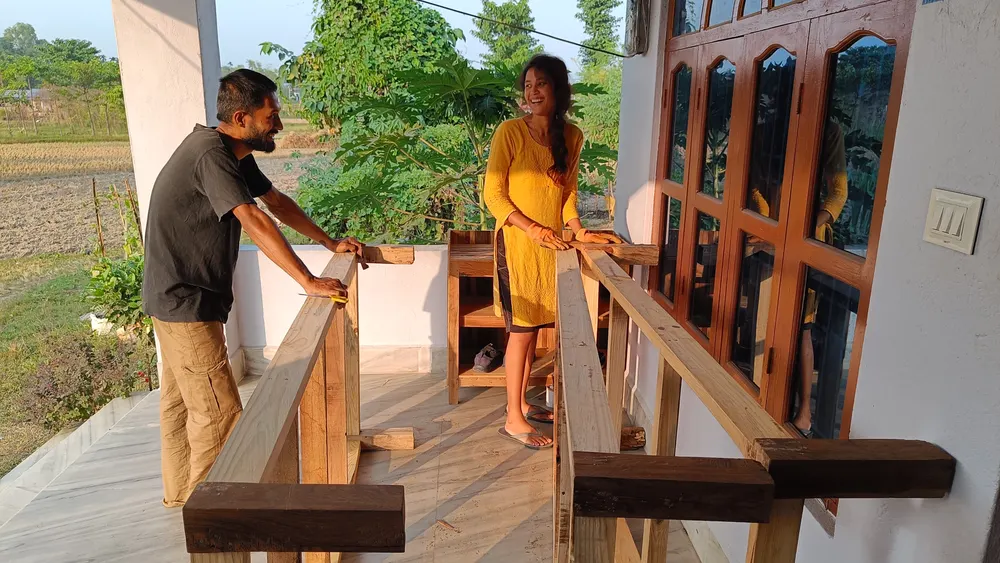
Building our own furniture
At the second Joon House we built our own furniture, learning to make what we needed from scratch.
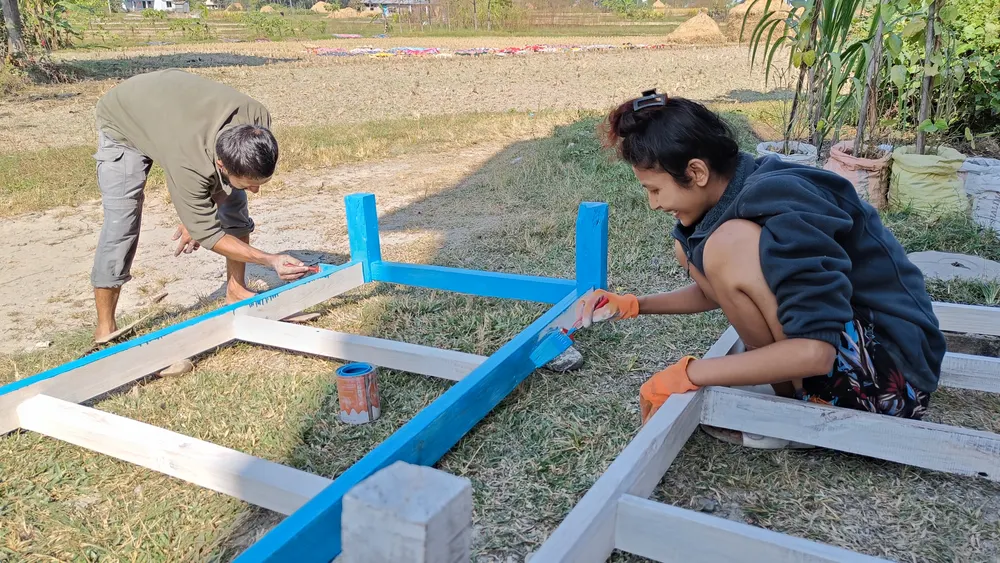
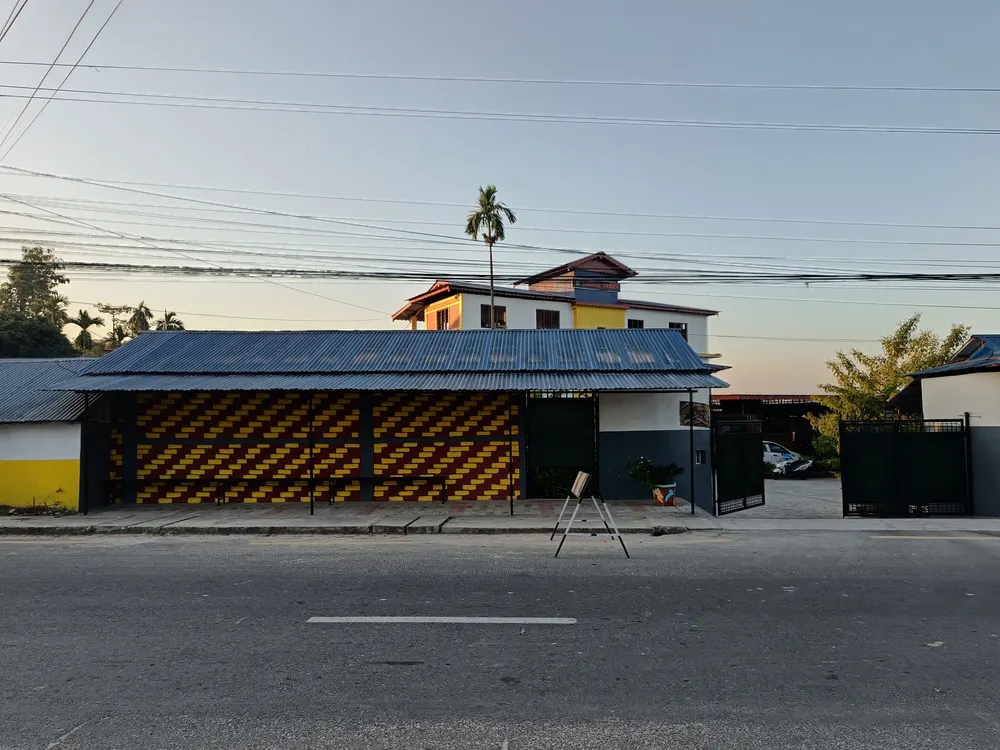
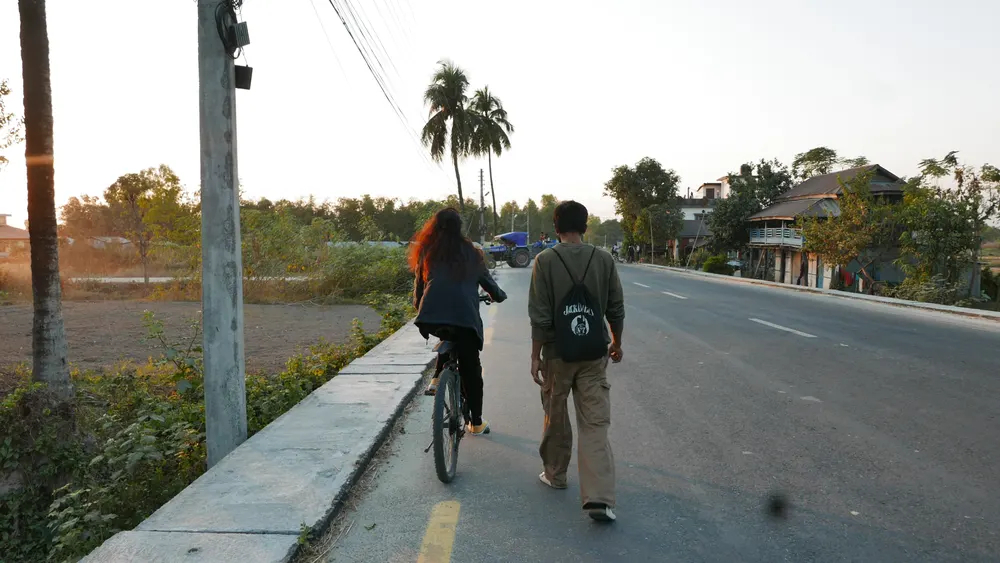
Working with the community
At the third Joon House we opened to the wider community and its children, teaching all we had learned. We were growing.
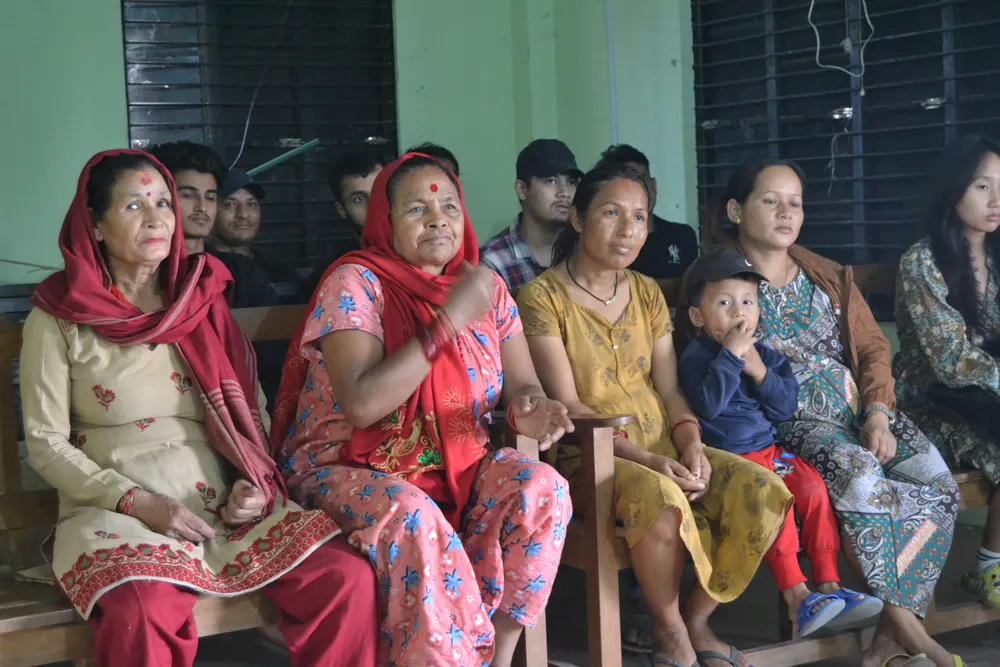
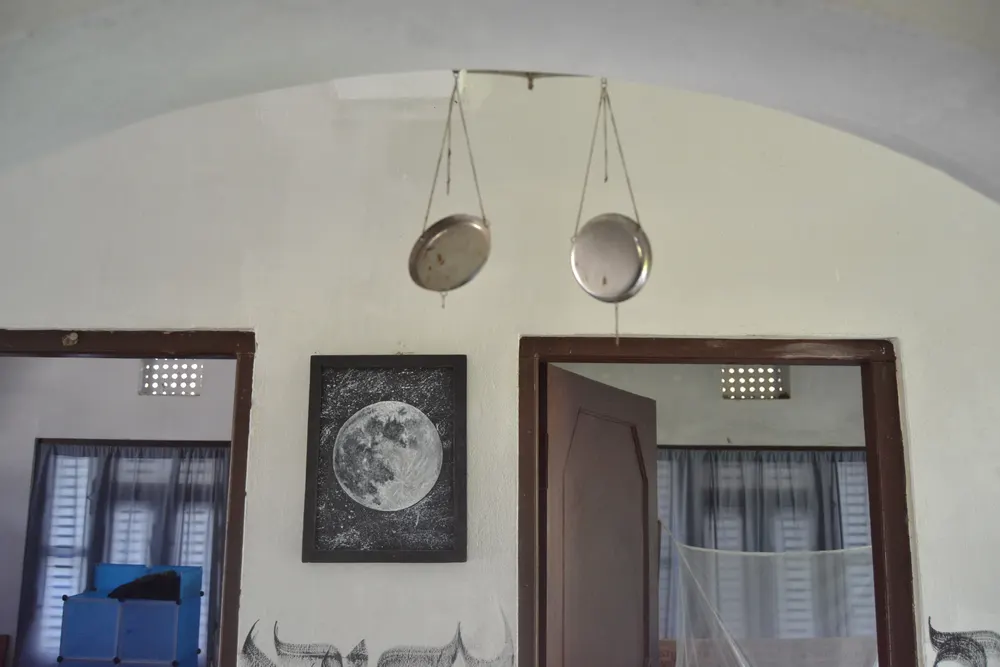
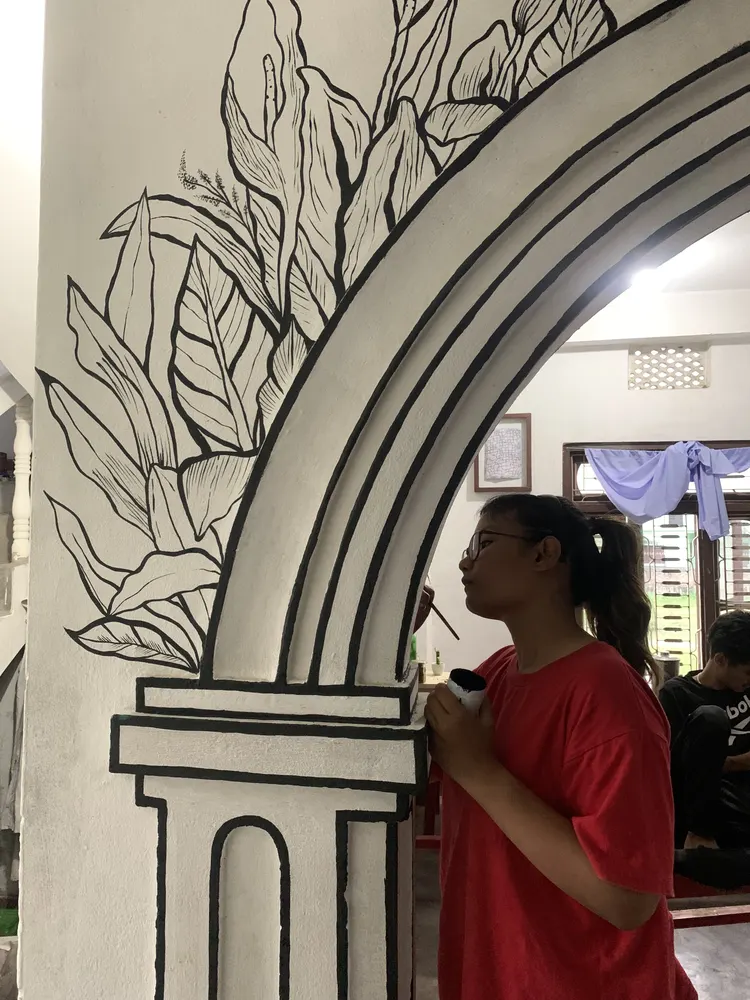
When family needed me
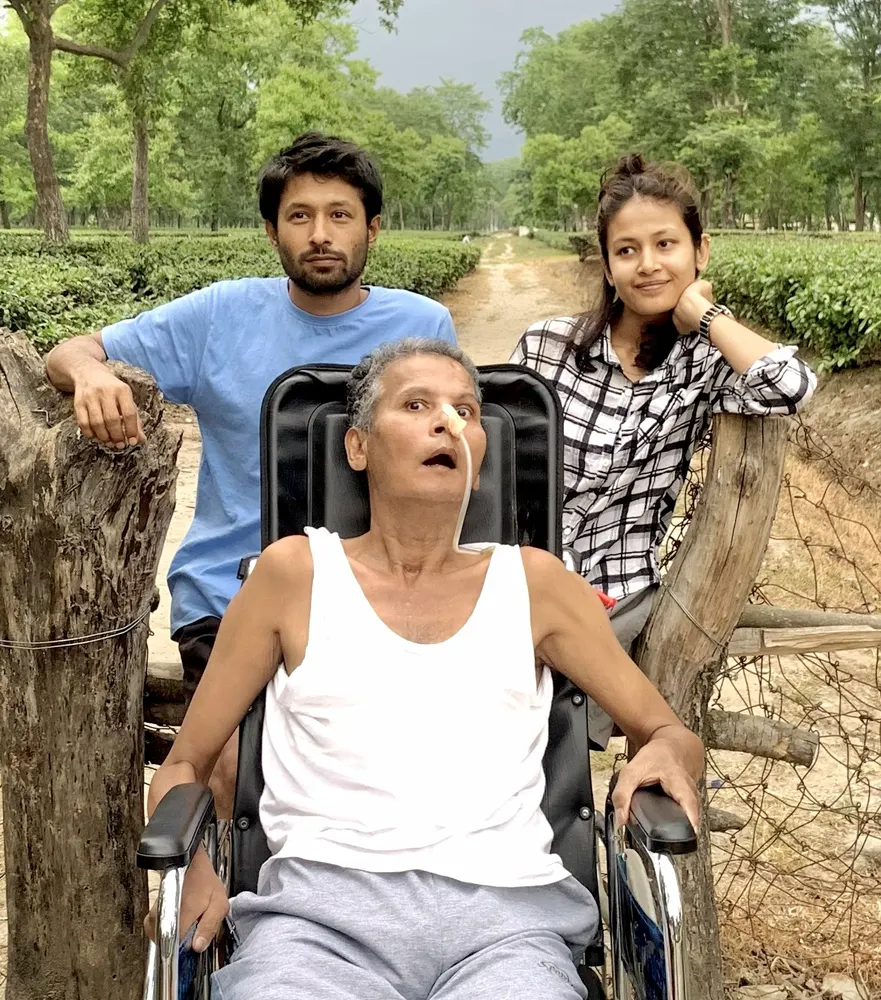
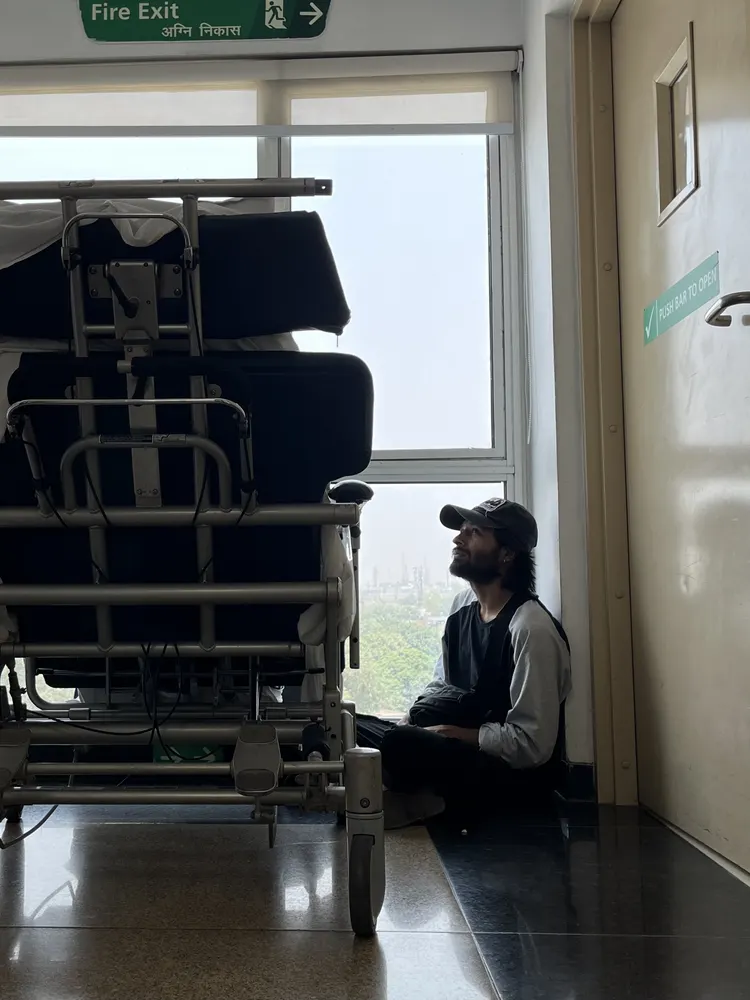
When Merina's father was hurt in a hit and run, we stopped everything. She had stood by me through it all, so I stood by her and her family, for as long as it took.
From Joon Project to Hunate
Then I began reshaping everything we had learned into Hunate, a movement for Humanity, Nature, and Technology in balance.
House of Hunate
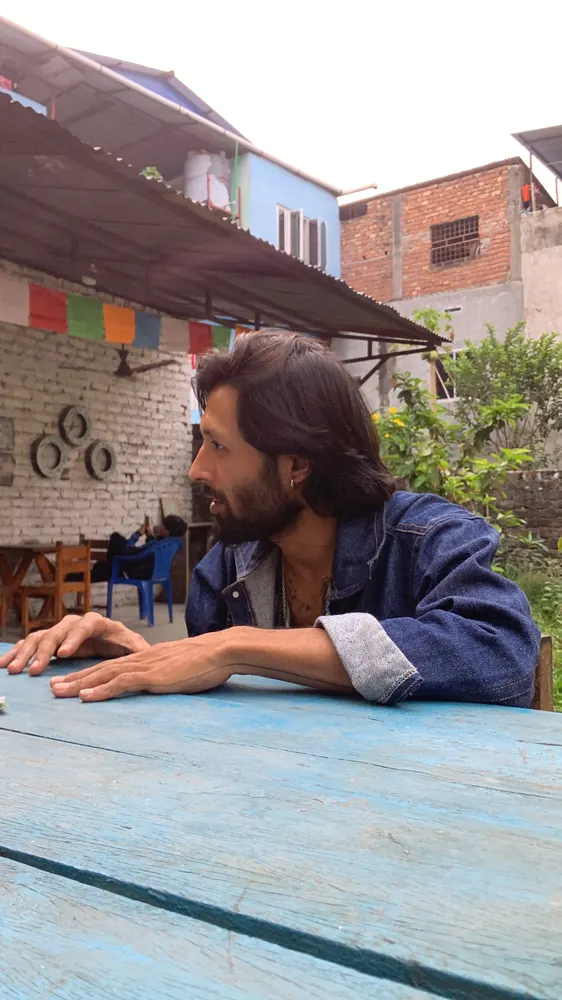
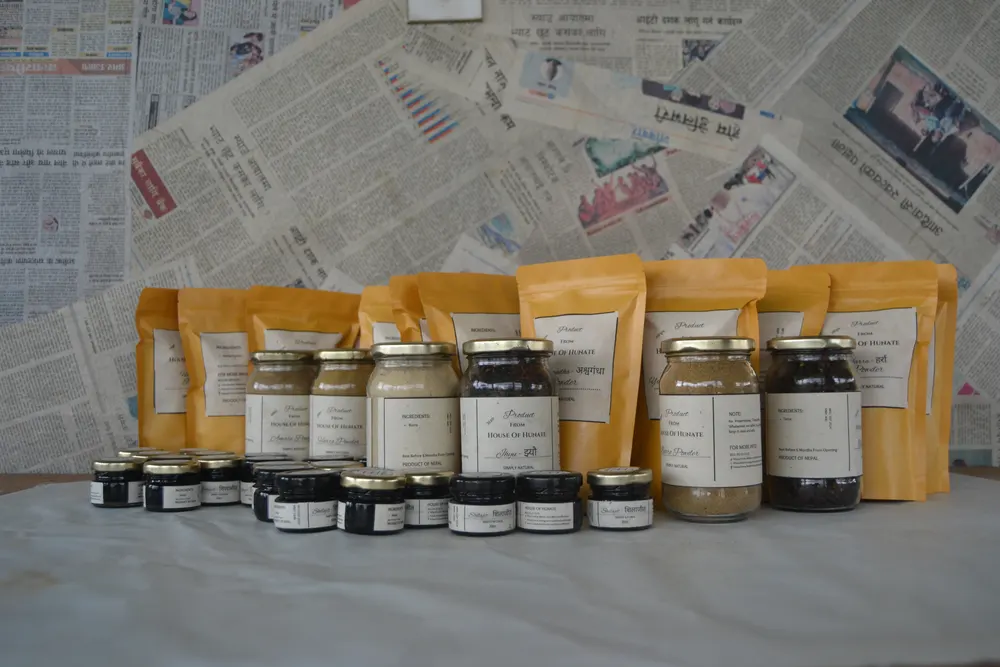
I started House of Hunate, a small herbal enterprise, putting the regenerative idea to work in the market.
Mery El's
I helped Merina launch her own jewellery brand, Mery El's, a small pinch of style and independence.
See Mery El’s on Instagram →Mery & Khem Life Studio
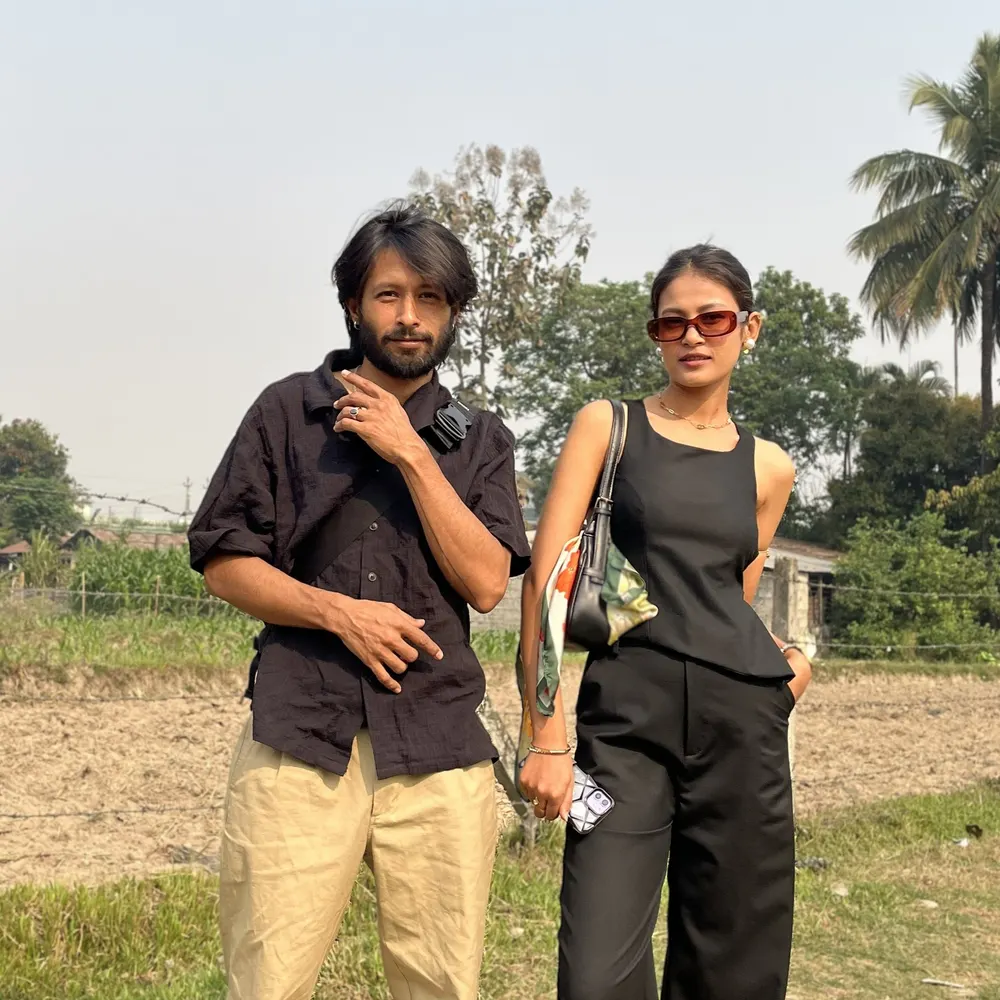
And now, our newest venture and the profit branch of the vision, Mery & Khem Life Studio, where the whole idea earns its keep.
The journey continues.